
A concert may inspire a trip. A restaurant may anchor an evening. But the moments guests remember often happen somewhere in between: a conversation by the pool, an unexpected discovery, or a thoughtful gesture that makes a family’s day easier.
How can hotels create more of those moments?
That question guided The Business of Creating Memorable Places: What Hotels Can Learn from Theme Parks and Casinos, a session at HotelSpaces 2026 in Fort Lauderdale on October 26, with featured speakers from HBG.
HBG Design Principals Kelly DeVine and Emily Marshall joined Scott Mallwitz, Executive Creative Director at Walt Disney Imagineering, and moderator Glenn Haussman, host of No Vacancy News, to explore how storytelling, design, and connected amenities shape memorable guest experiences. Their shared focus: creating hotel spaces where guests want to spend more time together.
Give guests another reason to stay
Theme parks and casino resorts understand how one experience can lead to another. An evening show extends a visit through dinner. A restaurant, spa, or concert turns an outing into an overnight stay.
Marshall described that evolution in HBG Design’s casino resort work, including projects that consider reducing gaming space while adding more distinctive and memorable entertainment. A broader mix of amenities attracts guests seeking a couples’ getaway, a concert, or a weekend with friends.

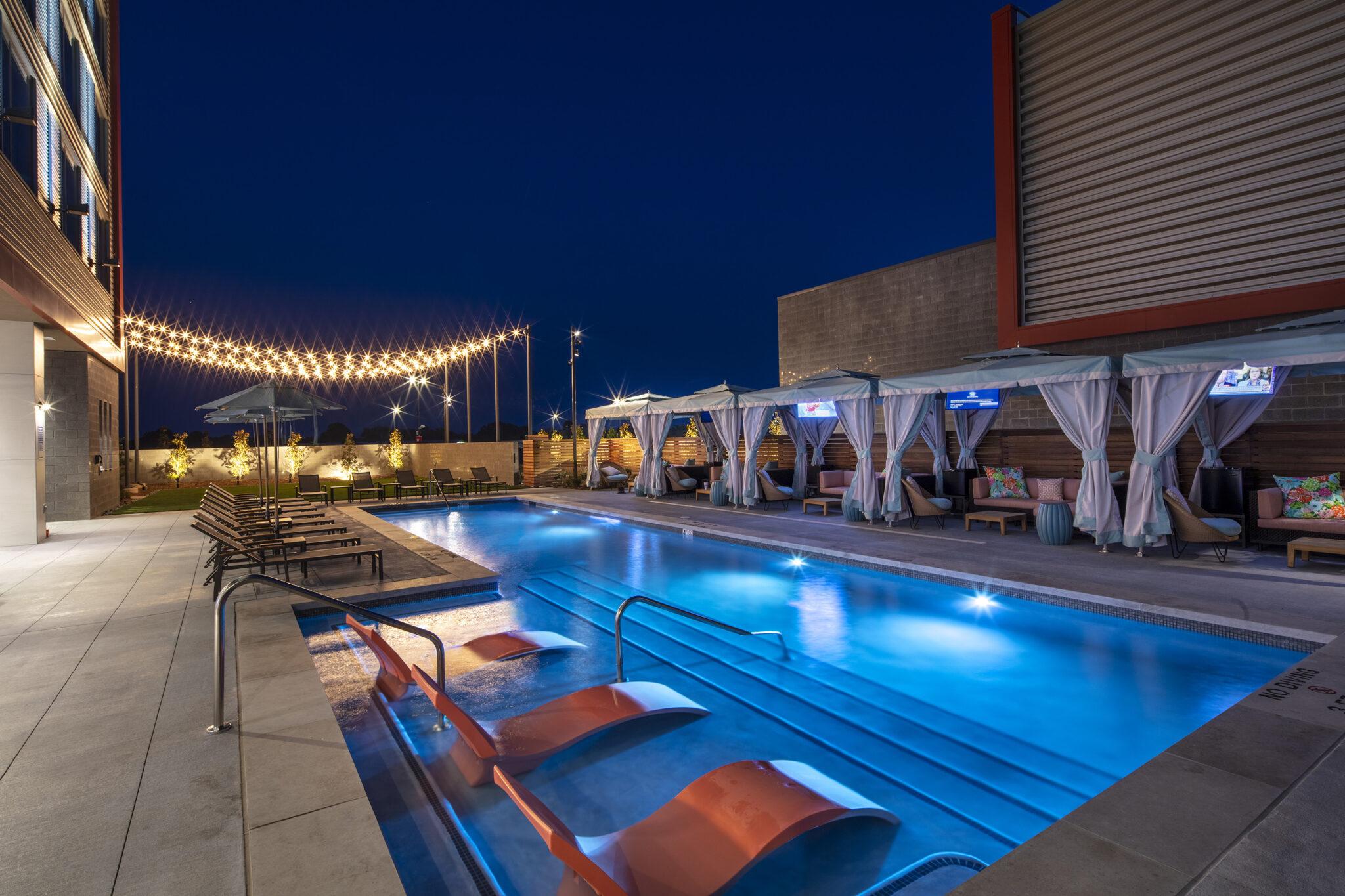 For hotels, the opportunity lies in how those offerings connect. A cocktail lounge sets up dinner at a specialty restaurant; a spa visit leads naturally to the pool, or visa versa. A few distinctive experiences that complement one another can give a property a clear identity and guests a reason to linger.
Make the journey part of the destination
Mallwitz’s perspective highlighted the experiential value of spaces between major attractions. Hotels have similar opportunities in their lobbies, terraces, corridors, and gathering areas.
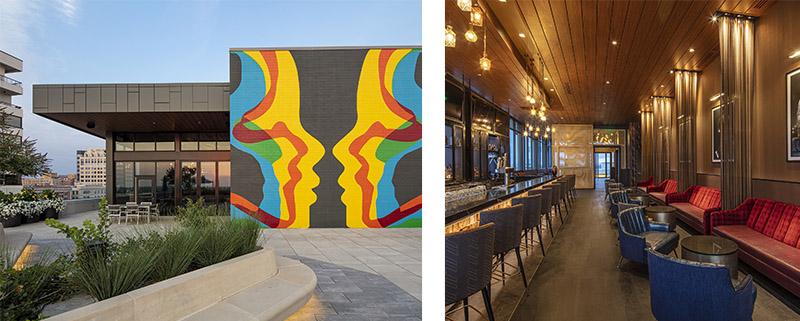
A sightline reveals a lively lounge. Lighting signals a change in atmosphere. Comfortable seating turns a passage into a place to pause.
Casino resorts plan these relationships deliberately, considering the sequence of experiences as guests move among dining, gaming, entertainment, and guest rooms.
Those journeys also need places to reconnect. One guest may head to the spa while another games, then meet at a recognizable bar before dinner. For families and groups with different interests, ages, and abilities, thoughtful gathering spaces make independent choices compatible with time together.
Let service carry the story
Materials, furnishings, and artwork establish a setting. Service gives guests a way to participate.
One example discussed was a Prohibition-inspired hotel that offers guests a handwritten bourbon “prescription” at check-in, filled later by a staff member portraying a period pharmacist. A simple ritual made the hotel’s personality tangible.


Designers can anticipate these interactions early: where they happen, how staff deliver them, and how guests discover them. DeVine also emphasized leaving room for guests to complete the experience themselves. A strong sense of place can invite curiosity without explaining every detail.
Make the small things work
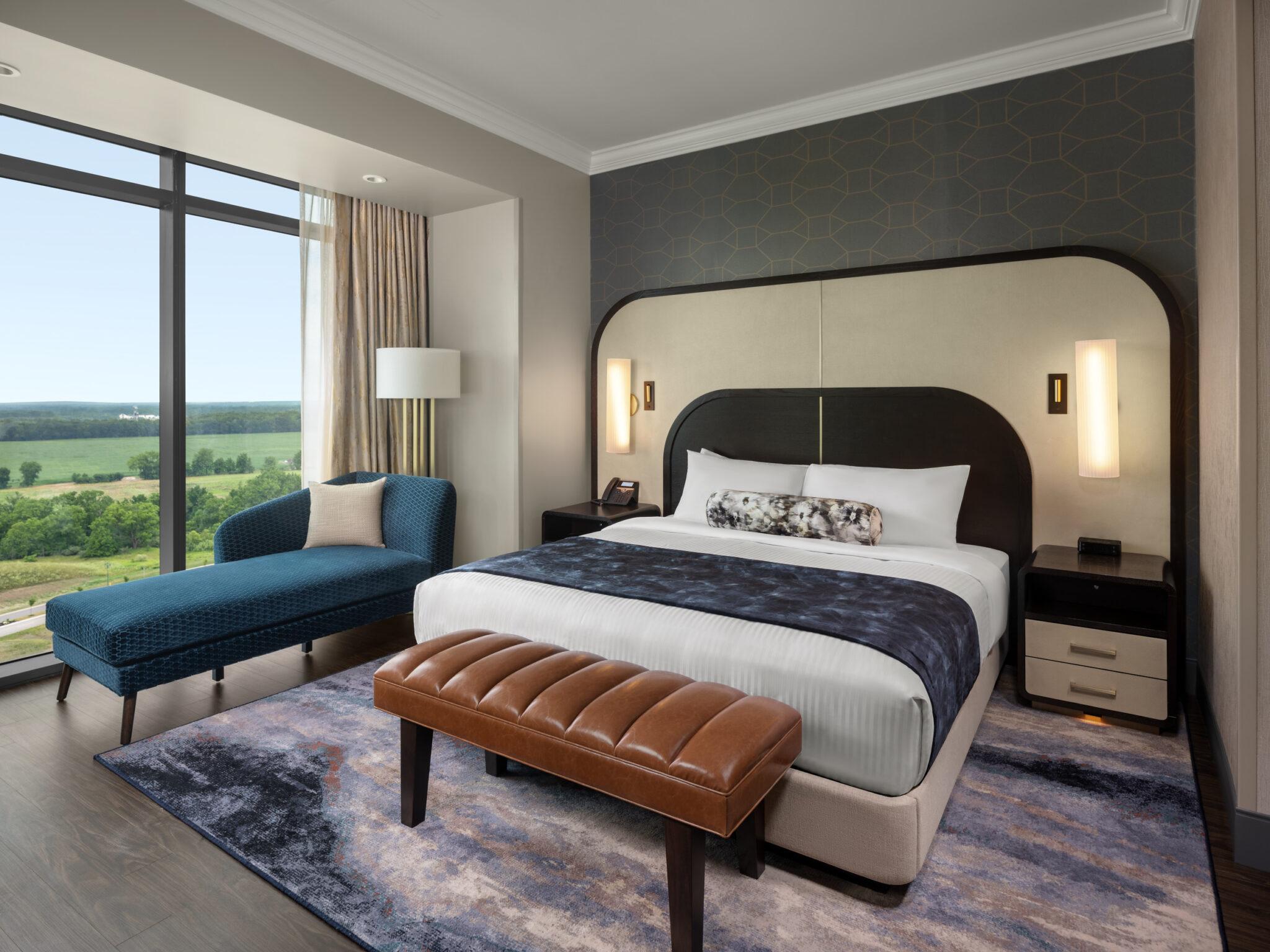
Some of the discussion’s most practical examples involved guest room basics: beds high enough to store luggage underneath, additional hooks, and better towel storage. These decisions ease the everyday frustrations of traveling and demonstrate an understanding of how guests use a room.
Technology deserves the same attention to behavior. Digital tools can simplify navigation and reduce physical waiting, but they also change where people gather and move. In a theme park, fewer guests standing in queues can mean more people circulating through shared spaces. Hotels should similarly consider how mobile check-in and digital reservations affect arrival, gathering, and access to assistance.
The common thread is attention to guests’ time. Connecting amenities, encouraging discovery, and making everyday interactions easier gives people more opportunity to enjoy being together. The main attraction gets them through the door. The experience surrounding it helps create moments guests remember and a reason to return.


