
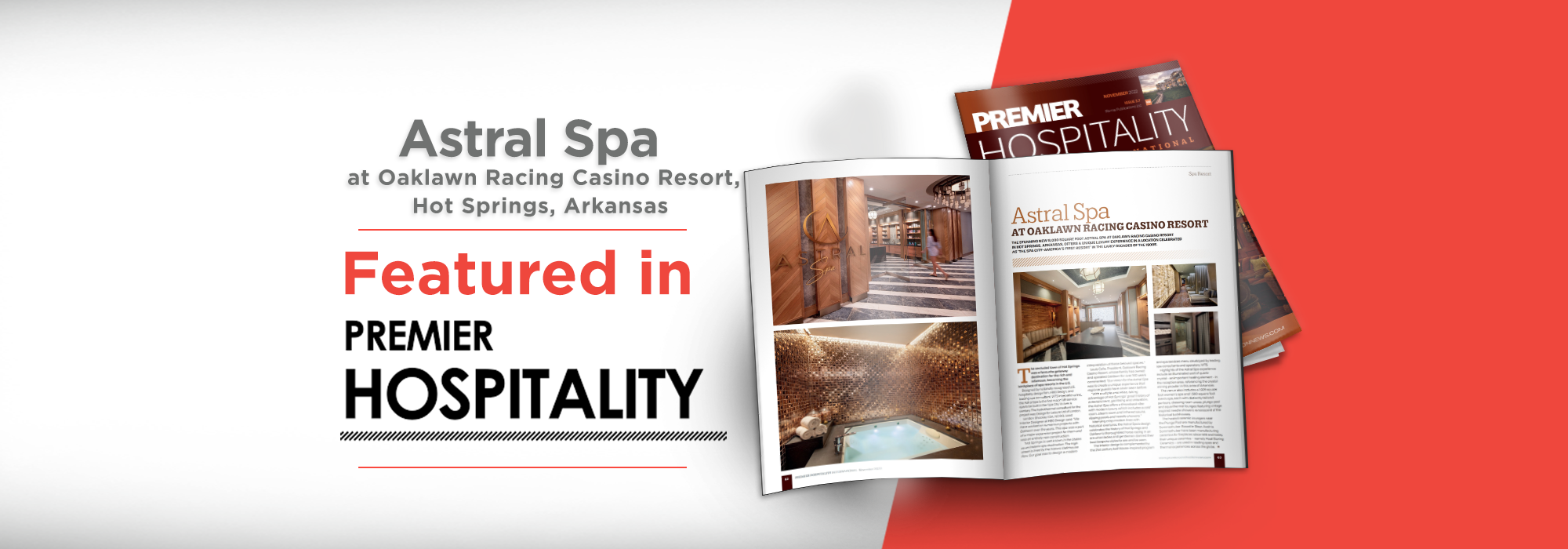
Premiere Hospitality Features Astral Spa
The stunning new 8,000 square foot Astral Spa at Oaklawn Racing Casino Resort in Hot Springs, Arkansas, offers a unique luxury experience in a location celebrated as ‘The Spa City–America’s First Resort’ in the early decades of the 1900s.
The secluded town of Hot Springs was a favourite getaway destination for the rich and infamous, becoming the birthplace of spa resorts in the U.S.
Designed by nationally recognised U.S. hospitality design firm, HBG Design, and leading spa consultant, WTS International Inc., the Astral Spa is the first major full-service spa to be built in the ‘Spa City’ in over a century. The hydrothermal consultant for the project was Design for Leisure Ltd of London.
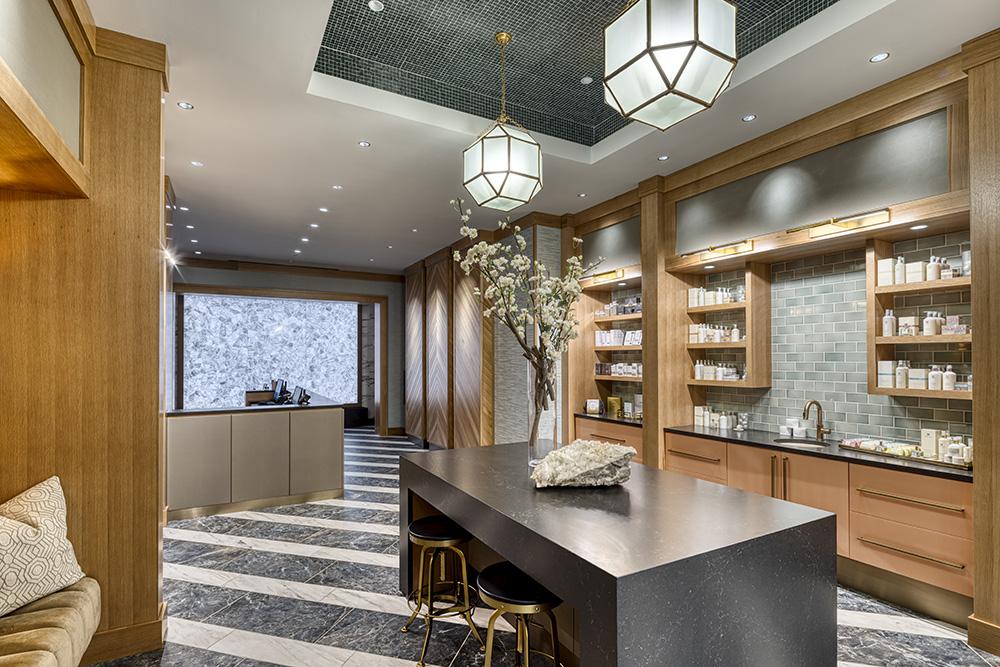 Landon Shockey IIDA, NCIDQ, Lead Interior Designer at HBG Design said: “We have worked on numerous projects with Oaklawn over the years. This spa was a part of a major expansion project for them and was an entirely new construction.
“Hot Springs is well known in the States as an historic spa destination. The high street is lined by the historic Bathhouse Row. Our goal was to design a modern interpretation of these beloved spaces.”
Louis Cella, President, Oaklawn Racing Casino Resort, whose family has owned and operated Oaklawn for over 100 years commented: “Our vision for the Astral Spa was to create a unique experience that regional guests have never seen before.
“With multiple amenities, taking advantage of Hot Springs’ great history of entertainment, gambling and relaxation, the Astral Spa offers a throwback vibe with modern luxury, which includes a cold room, steam room and infrared sauna, dipping pools and needle showers.”
Marrying crisp modern lines with historical overtures, the Astral Spa’s design celebrates the history of Hot Springs and Oaklawn’s thoroughbred horse racing in an era when ladies and gentlemen donned their best bespoke styles to see and be seen.
The interior design is complemented by the 21st century bathhouse-inspired program and spa services menu developed by leading spa consultants and operators, WTS.
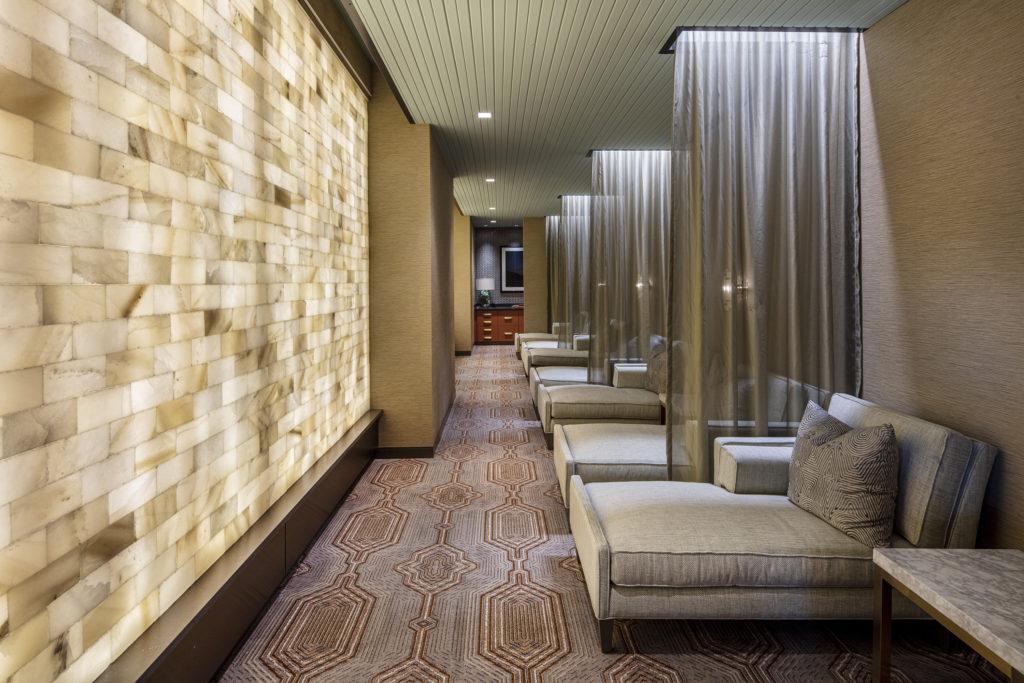
Highlights of the Astral Spa experience include an illuminated wall of quartz crystal – an important healing element – in the reception area, referencing the crystal mining popular in this area of Arkansas
The venue also includes a 1,925 square foot women’s spa and 1,500 square foot men’s spa, each with distinctly tailored parlours, dressing room areas, plunge pool and aqua thermal lounges featuring vintage inspired needle showers reminiscent of the historical bathhouses.
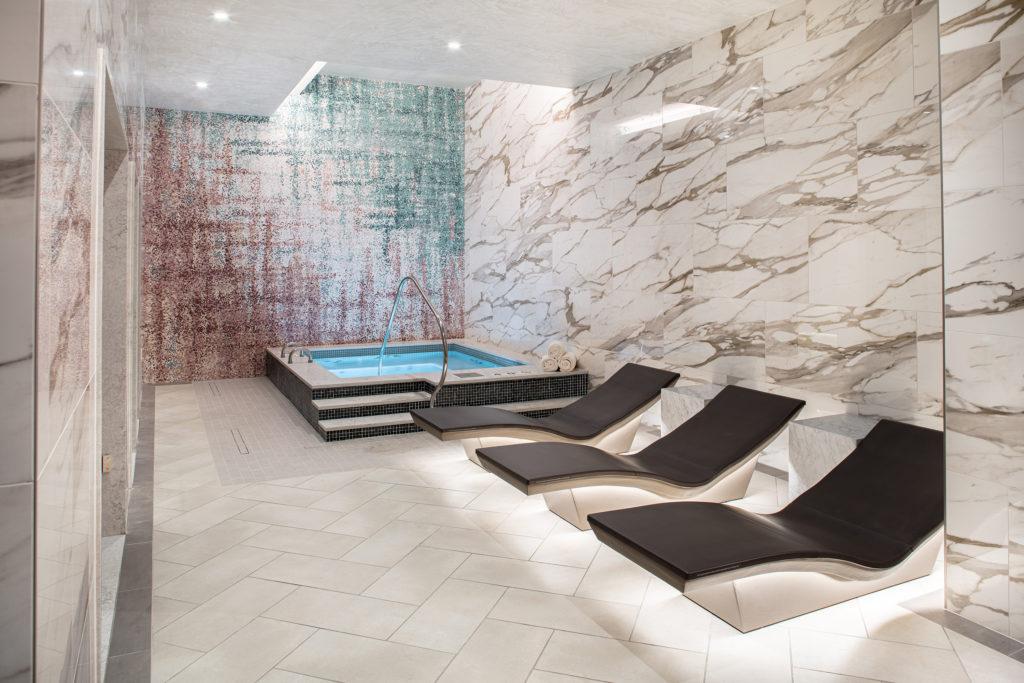
The heated ceramic Loungers near the Plunge Pool are manufactured by Sommerhuber. Based in Steyr, Austria, Sommerhuber have been manufacturing ceramics for fireplaces since 1419 and today, their unique ceramics – namely Heat Storing Ceramics – are used in leading spas and thermal experiences across the globe. Fiona Sommerhuber, Head of the Spa Division at Sommerhuber said: “Heated loungers are ideally suited for ultimate relaxation due to their ergonomic shape and cosy warm ceramic surface.”
Unique hot/cold wellness circuits in the women’s and men’s aqua thermal areas, allow guests to ‘heat, cool, rest, repeat’ in vapour rooms, infrared saunas, ice lounges, vitality pools and thermal loungers – in addition to enjoying an array of spa services, including couple’s massages, hydro-facials and hot stone treatments.
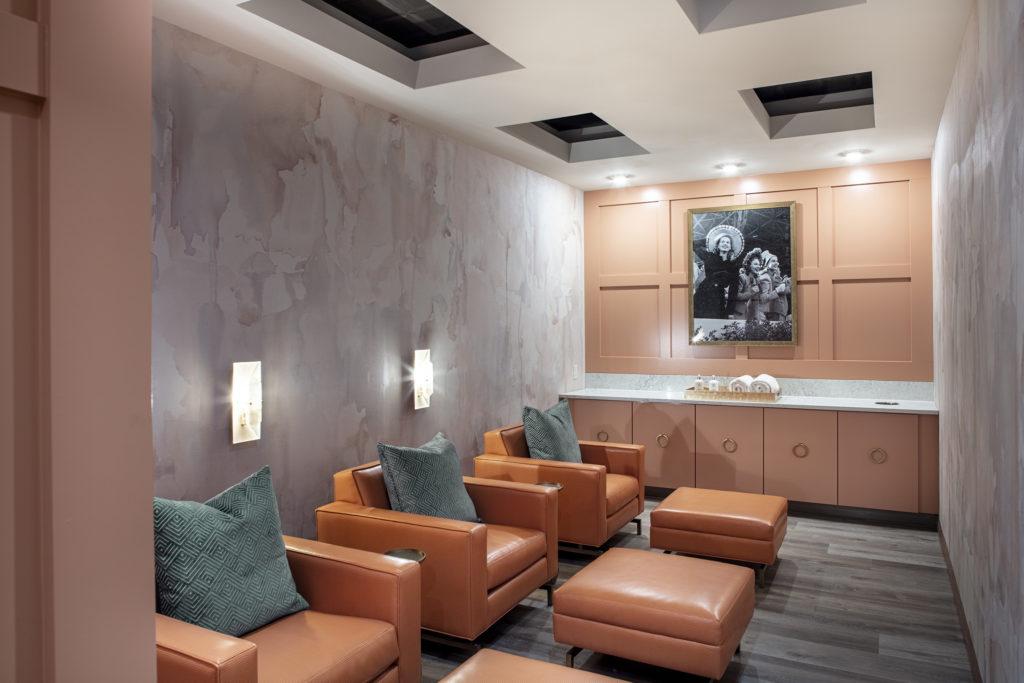
As well as a 750 square foot full-service salon, multiple private treatment areas, and a co-ed lounge with upholstered chaise lounges, there’s also the area’s only Himalayan salt wall – plus an exclusive outdoor spa pool with cabanas and outdoor event lawn.
Speaking of the challenges of the project, Landon Shockey said: “Construction was well under way at the beginning of the pandemic. We had to manage a lot of unknowns while construction continued during the lockdowns. From products being discontinued to goods stuck out at sea for months, this was a project for the history books!”
He concluded: “Leading the design of The Astral Spa has been a career highlight, having grown up in a small town about twenty minutes from Oaklawn. “I remember touring historic Bathhouse Row when I was younger and being absolutely intrigued by those grand spa spaces. To be able to return to Hot Springs and work with Louis and Rochelle Cella to create a modern day ‘bathhouse’ spa was a dream come true.”
“What is even more special is the Astral Spa at Oaklawn receiving a Fay Jones Alumni Design Award from my alma mater, the University of Arkansas Fay Jones School of Architecture and Design.”

HBG Debuts the Caption by Hyatt Brand
Introducing Caption by Hyatt Beale Street Memphis:
The First Caption Branded Hotel Built in the World!
Not just in the community, but of the community.
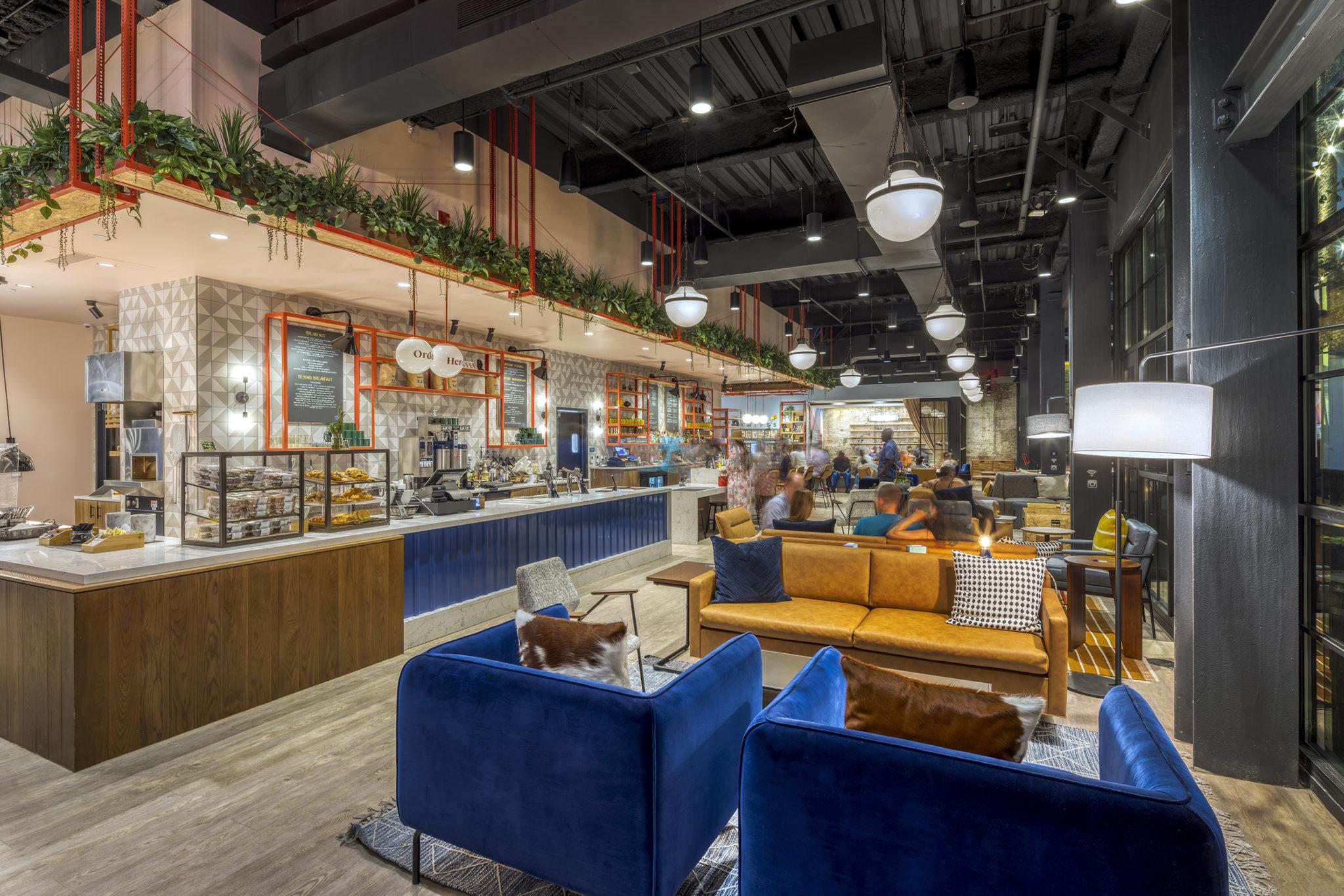
That is Caption by Hyatt’s design promise. The first ever built Caption by Hyatt branded hotel--designed by HBG Design and built in Memphis, Tennessee--fully delivers. The upscale, select-service lifestyle brand introduces a dynamic hospitality experience with an unmistakable neighborhood feel.
The hotel is housed distinctively within the two-story historic façade of the William C. Ellis & Sons Ironworks and Machine Shop building in downtown Memphis. With its original stenciled building signage intact, the historic Ellis Building was repurposed for the Caption's unique storefront beer garden and first two levels. It also creates the event, conference and meeting space shared by the Caption and the adjacent Hyatt Centric, Built in 1878, this former blacksmith shop was one of the earliest, longest-running businesses in Memphis. It made wrought-iron straps for carriages and shoes for horses and mules and was later used as an agricultural machinery repair shop.
A new 136-room hotel tower rises above, offering guests endless views of the Memphis skyline and the Mississippi River.
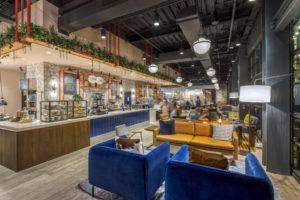
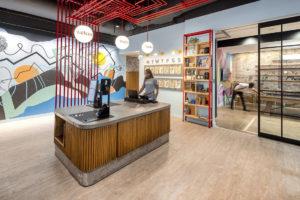
The heart of Caption by Hyatt Beale Street Memphis is ‘Talk Shop’, the brand’s reimagined arrival experience. Here, guests enjoy a lively multi-functional welcome area, all-day lounge and workspace. It features a coffee shop, eatery, grab-and-go artisanal market and cocktail bar. Energy reverberates throughout the colorful space, which was designed to encourage social interaction. It is a place to eat, drink, and connect – inside, and outside at the adjoining beer garden courtyard.
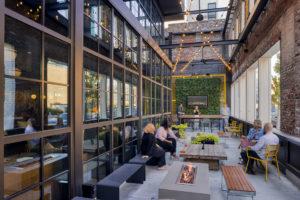
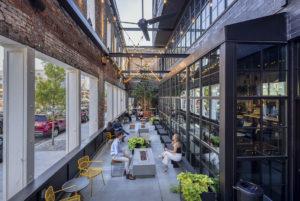
The beer garden is an expansive patio is open to the street’s pedestrian walkway. The space is uniquely integrated within the building’s historic façade and allows guests to fully engage with the active downtown neighborhood.
Click to Read More About the Project
HBG planners and designers created a strong sense of place and a distinct ‘localvore’ urban experience for the Caption by Hyatt and the adjacent Hyatt Centric by drawing conceptual inspiration from Memphis’ rich riverfront industrial history found in the Ellis machine shop buildings, the city’s world-famous musical roots, and the city’s distinct ‘grit and grind’ attitude.

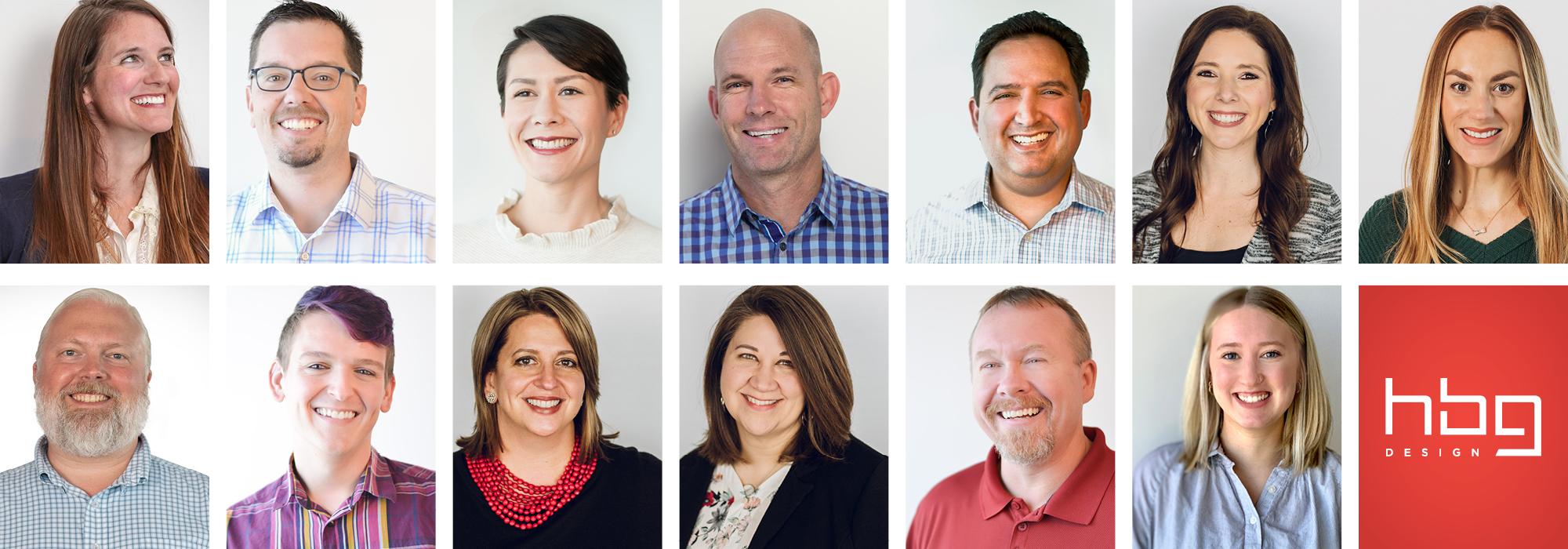
HBG Design Welcomes a New Generation of Leaders
Earlier this year HBG announced the promotion of Nathan Peak, AIA, to Practice Leader. Today, HBG is excited to announce additional promotions and elevations of staff that emphasize the depth and breadth of talent across the span of our entire firm. We welcome these next generation of leaders whose voices are already making an impact on how we operate and practice industry-leading design.
Congratulations to the following HBG Design employees on their recent firm promotions and advancements!
- Deidre Brady, AIA, NCIDQ, LEED AP BD+C, Promoted to Principal / Project Management Leader
- Chris Devine, AIA, Promoted to Senior Associate / Documentation & Specification Leader
- Leslie Thompson, Promoted to Senior Associate / Process Improvement & Resource Leader
- Jason Fox, Promoted to Senior Associate / Construction Administration Leader
- Michael Ochoa, AIA, Project Manager, Promoted to Senior Associate
- Chase Percer, AIA, Associate, Promoted to Design Technology Leader
- Christopher Wood, IIDA, NCIDQ, Interior Designer, Promoted to Associate
- Tamara Goff, CPSM, Principal, Transitioned Role to Director of Communications & Brand Experience
- Dana Ramsey, CPSM, Associate, Promoted to Director of Marketing
- Paul Towery, AIA, ICCC, Senior Associate, Promoted to Codes & Compliance Leader
- Morgan Streitmatter, Promoted to Human Resources Manager
- Patty Sprecco, Promoted to Human Resources Coordinator
- Leah Goodwin, Promoted to Practice Operations Facilitator
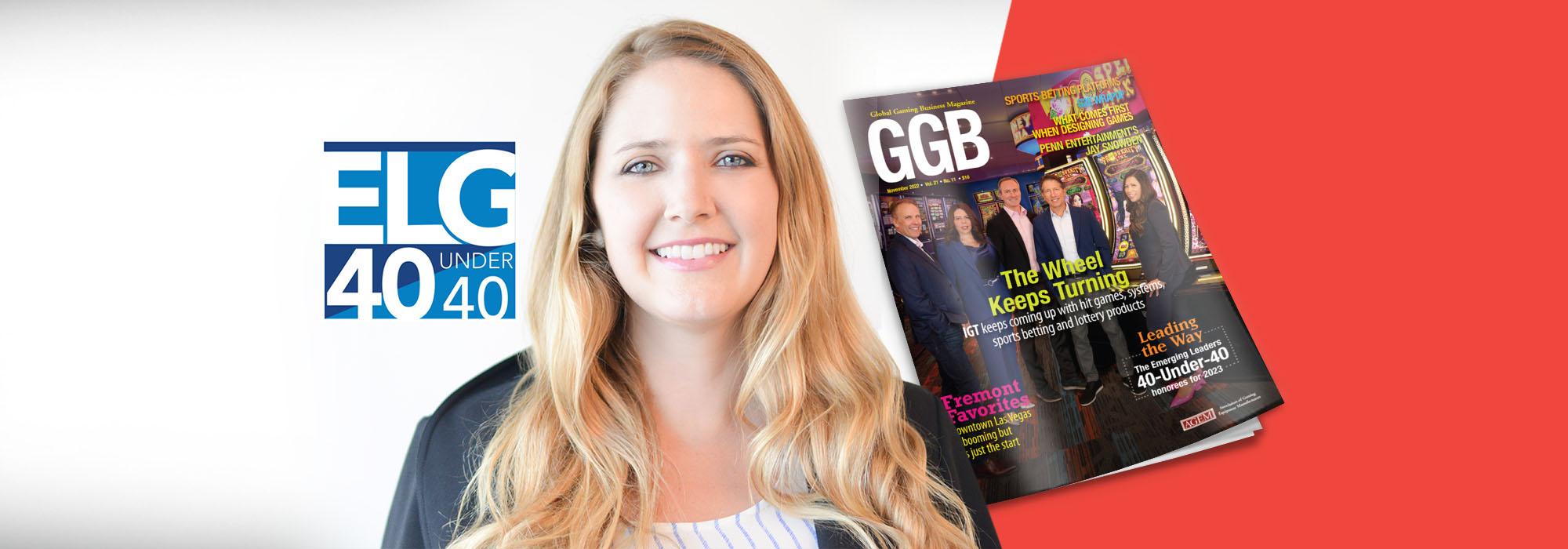
HBG Designer Named an Emerging Leader of Gaming
HBG San Diego Interior Design Leader Alexandra Milkovich has been named a ‘40 Under 40’ Emerging Leader of Gaming. The ELG 40 Under 40 is presented by Global Gaming Business and The Innovation Group, and supported by IAGA and Regulatory Management Counselors.
Creativity through Collaboration
Alexandra Milkovich, Senior Interior Designer, HBG Design
With a master’s in interior architecture and product design, 13 years of diverse interior design experience, and an impressive portfolio of high-profile projects, Alexandra Milkovich has achieved incredible success in her tenure as the senior interior designer at the San Diego office of HBG Design. Her natural leadership abilities, creativity and inquisitiveness have put her on a straight trajectory towards excellence.
 Throughout her career, Milkovich has led designs of casino, hotel, and food & beverage venue experiences for gaming and entertainment clientele on the West Coast and nationwide. She was instrumental in creating the initial design concepts for the first-ever Rock and Brews Casino in Oklahoma and led the design of Sycuan’s vintage-industrial inspired Rank + File restaurant and bar during the $220 million expansion and renovation of Sycuan Casino Resort outside San Diego.
Now the lead designer of several casinos, hotel, and food and beverage experiences for HBG Design clients across the country, Milkovich is thankful for the wealth of experience her work has provided her.
“Every project has its own challenges and opportunities,” she says, “and being in the middle of those experiences has directly contributed to my knowledge and growth in the industry.”
 With her passion for “creating successful pathways to final interior design solutions,” Milkovich believes that truly thoughtful and impactful interior design is founded on comprehensive research and a strong understanding of the client’s brand, market, and project goals. Having extensively studied restaurant operations and designs, Milkovich describes her approach as promoting “bold design balanced with thoughtful moments where the eye can rest.” She has also pursued her passion for the culinary arts through food blogging that highlights unique dining venue designs and beautiful plating designs.
“Entertainment and hospitality design is an ever-evolving industry,” Milkovich explains. “We are always learning new things no matter how much experience we have under our belts.”
Collaboration and mentorship are also crucial to success in Milkovich’s view, and both have been a large part of her career in the past and moving forward. She lauds her own mentor, previous ELG 40 Under 40 honoree Emily Marshall, as “a hospitality and entertainment design guru who tends to have the answer for everything.” She credits Marshall as a tremendous advocate for her career aspirations with a talent for creative problem-solving and a wealth of design experience.
Now Milkovich herself has become sponsor to her entire interior design team at HBG’s San Diego office, meeting with each team member one-on-one quarterly to help discuss ways to creatively achieve their career goals. She believes these individual meetings are essential to building strong relationships and achieving both individual and company goals.
“I truly love to see people succeed, and I try my best to help them meet their goals in whatever way I can,” she says. “Everyone has good ideas, no matter their level or years with the firm, and we want to give each team member a voice. When people truly feel good about a design or career direction, they make a greater effort to succeed.”
To the up-and-comers in her industry, Milkovich offers this advice: be patient, and really take the time to listen to your colleagues and take advantage of their expertise. “Get comfortable with the uncomfortable,” she advises. “You will never move up in a career without pushing yourself outside your comfort zone.” —Rae Berkley is an analyst with The Innovation Group
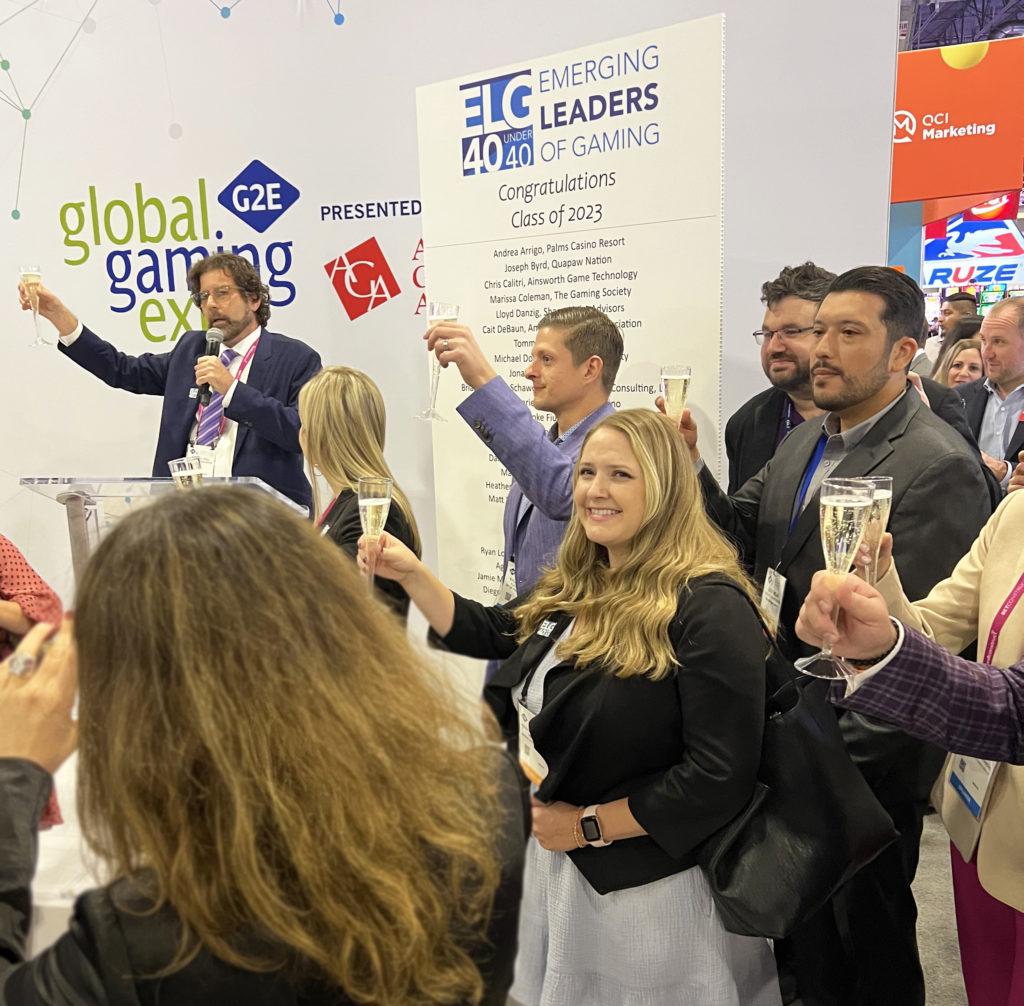
Alexandra, along with other honorees, were celebrated at G2E 2022 and are profiled in the October issue of Global Gaming Business magazine.

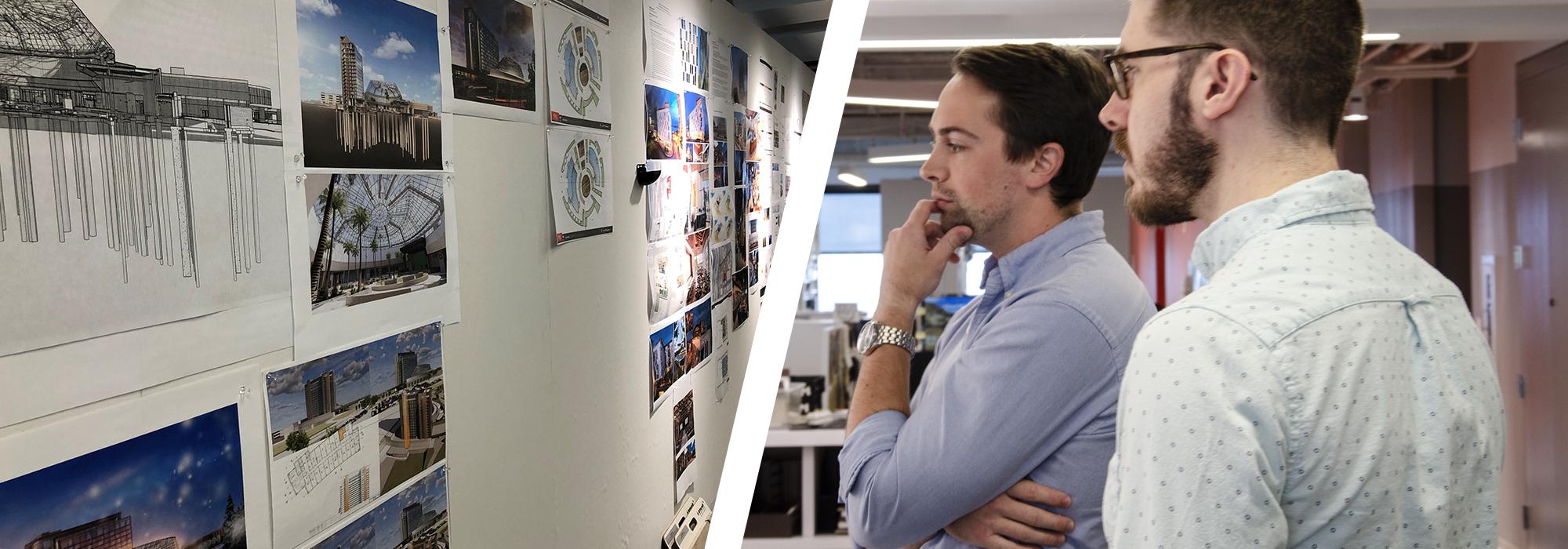
Spotlight on HBG's Emerging Professionals Studio
A discussion with HBG Design’s Emerging Professional Studio (EPS) Leader and recently licensed architect, Ryan Callahan, AIA
Ryan, as the new leader of HBG’s Emerging Professionals Studio (EPS), can you give us some background on the program?
While my involvement in the Emerging Professionals Studio began five years ago, HBG Design’s EPS program was conceived about 15 years ago as a group led "by EPs for EPs", providing opportunities for leadership experience within the firm at an early career stage.
The EPS originally focused on helping emerging architecture professionals through the AXP architecture licensure process and also provided opportunities for team building. The program has evolved to serve expanded EP career needs, including welcoming HBG’s interior designers into NCIDQ licensure study while also focusing on individual leadership development.
As a practice that integrates architecture and interior design to create hospitality design experiences, it was imperative that the EP Studio evolve to support the way our firm works and collaborates. Architects and interior designers have different licensure requirements and different ways we approach a project based on the nature of our disciplines, but we share similar goals and many commonalities, which are incorporated in the EPS program.
Our EPS today is rooted in the idea that emerging professionals desire structure in working towards licensure, but also want the flexibility to easily modify the pace of their journey as their personal or professional life changes. Mentors play a key role in helping EPs find their path individually and as a group, actively developing support strategies and needed resources for licensure in ways that matter most to each individual in their particular stage of development.
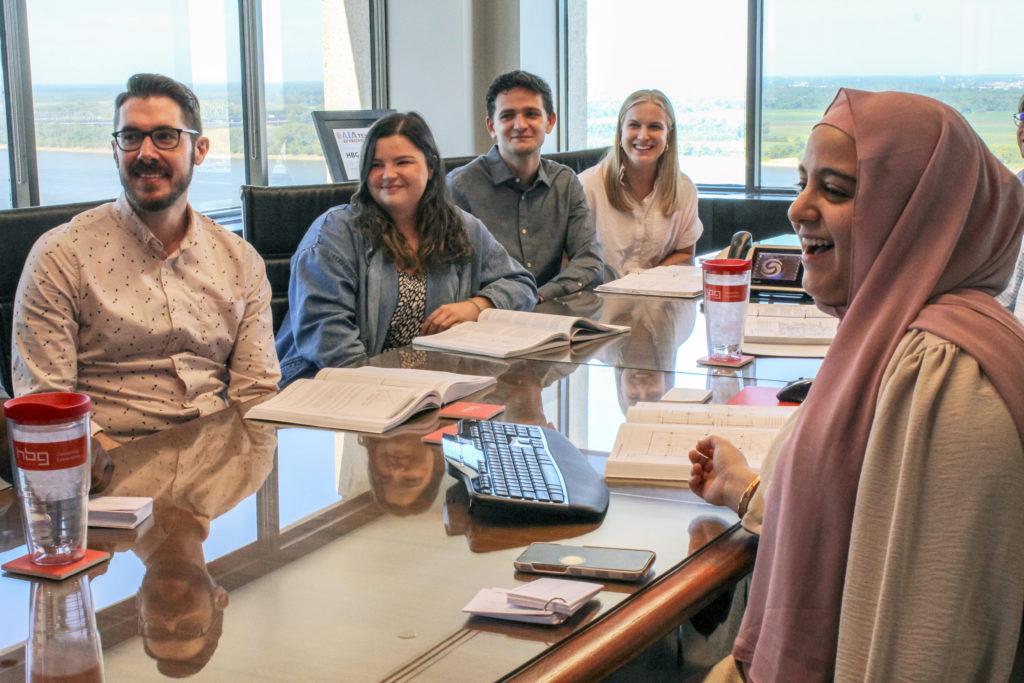
How did you become a leader of EPS?
I had just passed my remaining Architectural Registration Exams (AREs) a few months before Nathan [Peak, HBG’s Practice Leader] asked me to lead the EPS group. I think he asked me specifically because I was newly licensed, but also because I was part of HBG’s pre-Covid EPS program culture. As our workplace returned to the office, we all wanted to find ways to reengage our EPs into a group-learning mindset and provide the kind of supportive group environment that we had before the pandemic, and had been missing for over two+ years. Covid was so disruptive to everything, to the way we do things, even to my own growth. I entered and came out of Covid in a different phase of life. A lot of things changed. For example, I was just newly married entering Covid. When we went into work-from-home mode during this weird, sort of hyperbolic isolation, I came back to the office as the father of two boys. Now, I’m more aware of the level of involvement that people in different stages of life can have after work hours, but I’m also more focused.
And, of course, I could not lead EPS without others. In our Memphis office, Chris Wood is co-leading on the interior design side. And in our San Diego office, architect Nathan Blair and interior designer Alexandra Milkovich are leading the local EPS activities.
How has the EPS changed since you started?
For the first two years of my involvement in EPS, we had about 20-30 EPS members. It seemed like our EPS culture revolved around in-person knowledge exchange forums, recreational sports, and group learning activities. Of course, the pandemic changed everything, and put a damper on group events. We are now recapturing that level of camaraderie and have a great EPS group and supportive firm culture. I am seeing our group involvement increase every month.
The “work-from-home era” did teach us how to become more technologically resourceful and interconnected across distances. With more variety of tools enabling us to work virtually, we were able to put study information at each EP’s fingertips. All HBG’s EPS study information was organized, cataloged by topic, and made accessible through our MS Teams cloud-sharing platform. I’m proud to say we didn’t let the pandemic become a huge obstacle to getting our EPs help. For me, the biggest hurdle was just getting started.
What’s new for the EPS at HBG Design?
EPS leadership has also been developing onboarding courses to help new hires become fully engrained and fluent in HBG’s design processes. This is the information they didn’t and couldn’t learn in school.
This is a bit like HBG’s version of the NCARB AXP program re-formatted into a series of lessons from seasoned professionals at the firm who each offer over 20 years of industry experience. These seasoned professionals lead regular meetings to share topics on the firm’s building processes ranging from codes to life-safety; space planning to hospitality design to sustainability to construction detailing - all supporting knowledge sharing and the path to licensure through ARE, NCIDQ and LEED testing.
“Knowledge of how something is constructed is very valuable. It doesn’t matter if you are selecting a finish or drawing a wall or designing a building. If you know how it goes together, it goes together better,” says Ryan.
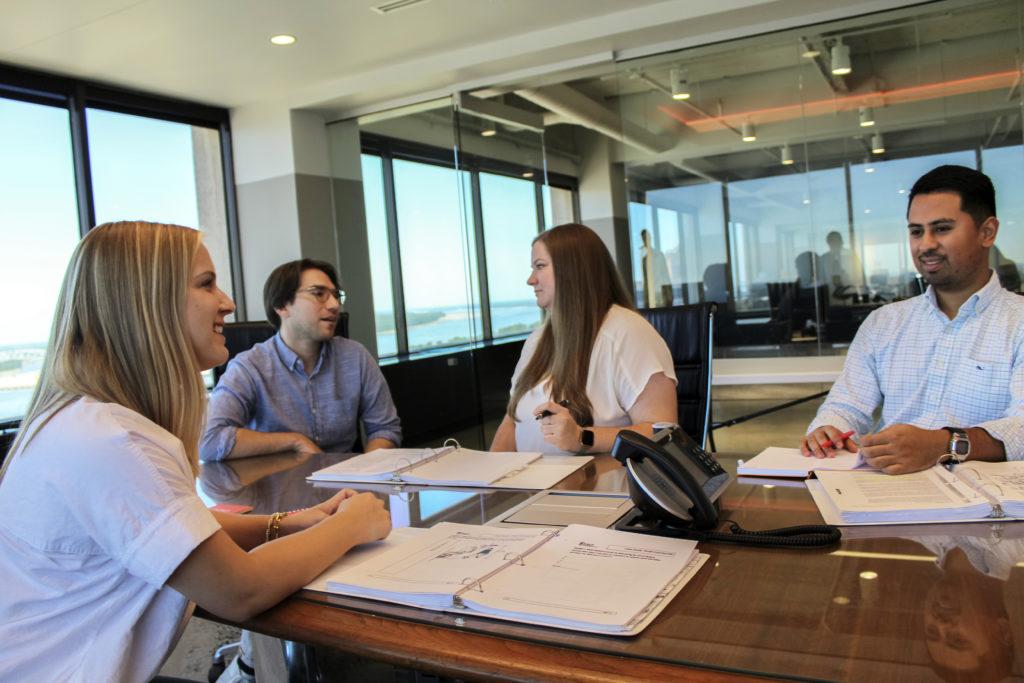 Knocking out AXP experience hours quickly is everyone’s goal when they get out of school, because there are a lot of hours required! EPS continues to coordinate supplemental training, quarterly site visits/project tours, exam study sessions, and professional engagement with design industry organizations. And our project staffing tracks EPs who are actively pursuing licensure to connect them with needed AXP hours.
How are EPS participants given a voice?
Everyone in the EPS group is empowered to initiate a discussion, lead an event or portions of a group project, or given freedom to implement a new process they feel passionate about and that will lead to growth of their peers and colleagues.
Weekly ‘Coffee + Collaboration’ mornings offer an all-employee open platform to initiate design discussions based on active project reviews to help inform the general direction of design or seek input on how current projects could be improved. EPs and student interns work together as valued project team members, gaining exposure to design challenges as well as opportunities to exchange ideas. They get a lot of encouragement to add their input in project design critiques in an environment where every voice is respected. This adds to EP’s experience in acquiring increasing levels of hands-on design leadership and really finding their voice.
We also have a number of international AIA members and EPS gives them a road map to licensure in the U.S. after becoming licensed in another country. The EPS is really benefiting from the variety of viewpoints and experiences of our EPS members. They each bring different approaches and well-rounded perspectives to the group.
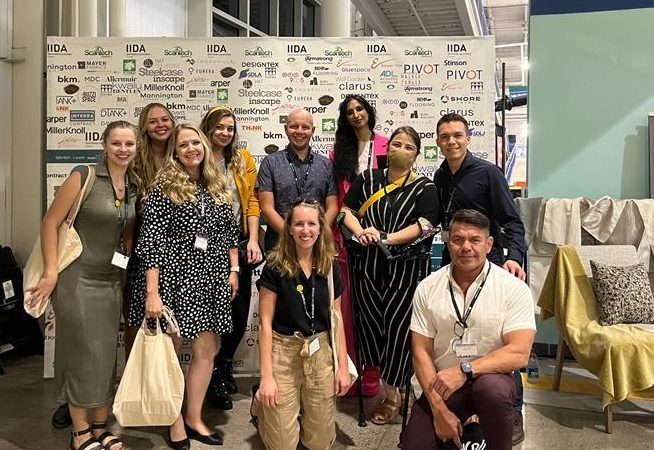
Is EPS all business?
Career fulfillment is heavily dependent on engagement with co-workers. Now that we are MOSTLY out from under the pandemic, I think it’s important for the EPS to continue promoting relationship building and providing bonding opportunities among co-workers and within the EPS. These group experiences build an authentic sense of camaraderie that builds trust and makes the work experience much more inspiring and positive.
From painting parties to kick-ball and indoor soccer teams; group nights and happy hours at new restaurants to family-centered outings, EPS is actively improving our post-Covid in-person firm culture and making the firm a stronger, more dynamic organization.
HBG Design Ranks 'Top 10' with BD&C
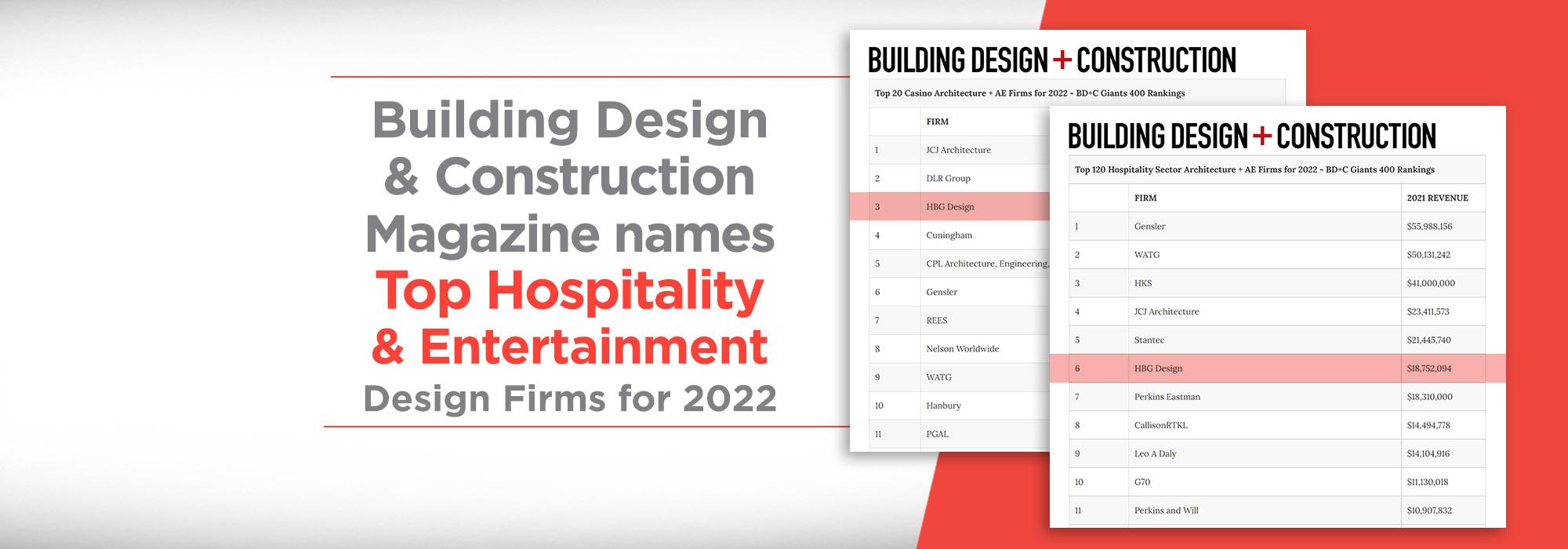
We are excited to announce our placements in Building Design & Construction Magazine's Top Hospitality and Entertainment Design Firms List for 2022:
HBG Design is #6 on list of Top 120 Hospitality Sector Architecture + AE Firms for 2022, BD&C Magazine!
and
HBG Design is #3 on list of Top 20 Casino Architecture + AE Firms for 2022, BD&C Magazine!

Gun Lake Expansion inspired by the sun’s path in the sky
Hospitality and entertainment design firm HBG Design is helming the design of Michigan's new Gun Lake Casino Expansion – a glass-roofed, climate-controlled, indoor landscaped pool and event centre atrium environment.
Read the full article here at CLAD magazine.
BY MEGAN WHITBY | 12 SEP 2022
The six-storey, 32,000sq ft Gun Lake Expansion is part of a US$300m (£259.1m, €298.4m) site-wide overhaul of the casino. The investment is also funding the construction of a 252-room hotel and further entertainment amenities.
“The [expansion] is sure to become a must-see feature,” said Paul Bell, AIA, principal at HBG Design.
“A resort pool by day and performance complex by night, the glass-enclosed circular structure will generate an immense sense of energy inside and out, while offering a variety of complementary entertainment and gathering opportunities for resort guests and entertainment-seekers.”
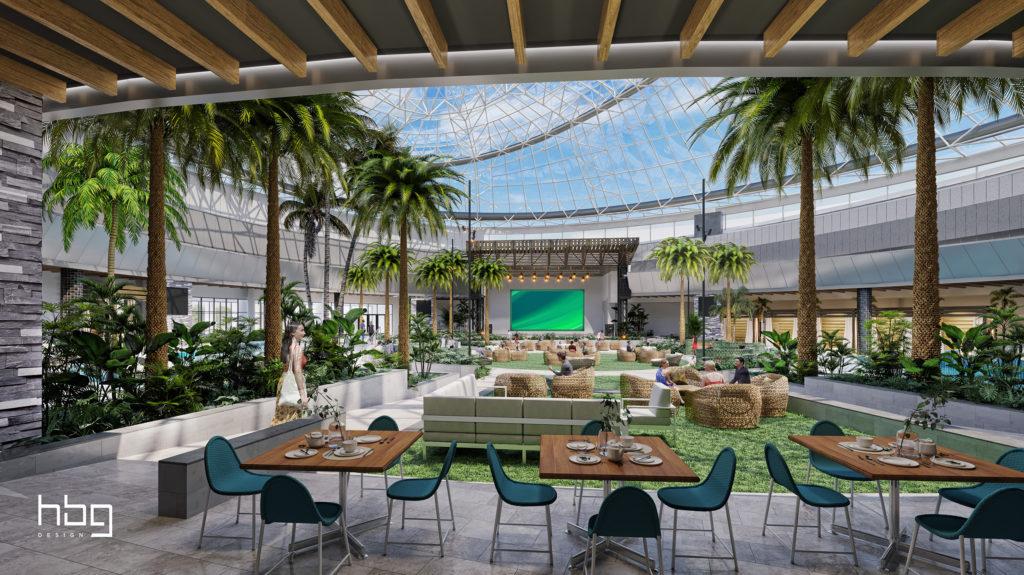
With a balmy 82℉ (27.7°C) year-round interior climate, the [expansion] will be home to three pools (family, age 21 and over and VIP), pool cabanas, an outdoor patio with a fireplace, a swim-up bar, semi-private nooks wrapped around a central lawn and bars and concessions.
The building’s glass roof structure will be sculpted and modelled by the sun’s daily path across the site and provide a window to the sky throughout the seasons.
HBG Design says the roof’s multi-layered composition has been designed for function and efficiency.
“The targeted high-performance glazing and the atrium’s space frame structure will combine to create the distinguishing sloped oval shape that maximises and filters natural light from solstice to solstice,” says Thor Harland, lead architectural designer at HBG Design.
“From there, the base structure will be a mix of materiality that accommodates the variety of amenities within.”
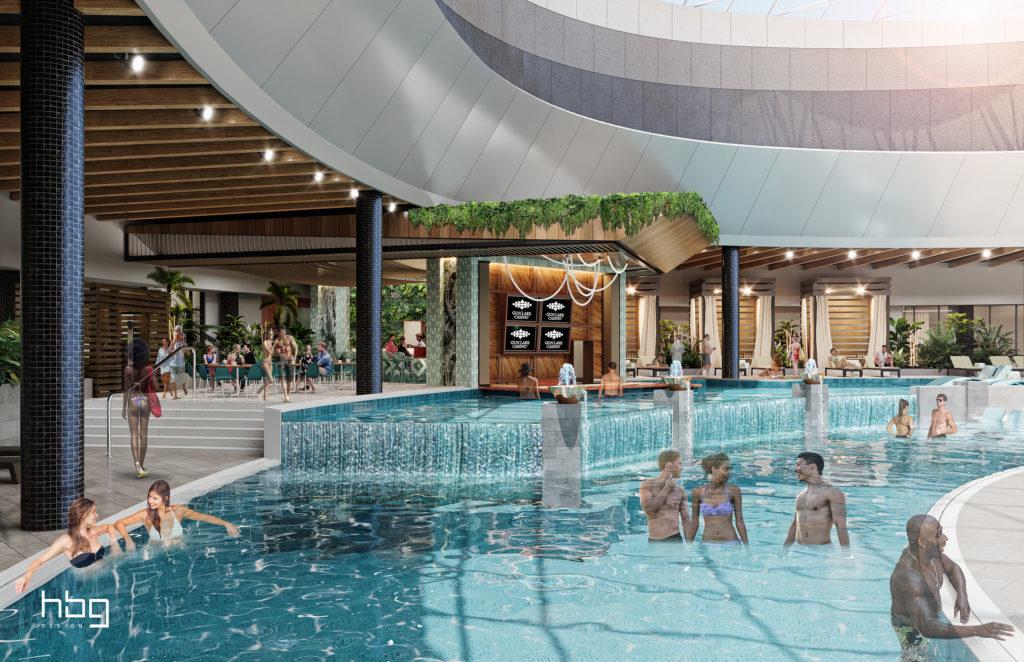
Offering year-round entertainment, the interior pool and event space will hold an immersive multi-level landscaped pool environment.
The [structure] will also transform into a concert venue, banquet centre and entertainment venue capable of hosting large events with a 2,400-person capacity. Seating will be able to be configured around water features in a variety of arrangements.
Functional and decorative acoustical panelling will be integrated aesthetically into the design to enhance and regulate sound during live performances.
Plus, a temporary yet dramatic installation of flex acoustics will be suspended about 40 feet above the stage for further sound control, depending on the type of performance.
“Without question, the design attributes will create a first-class destination resort and a highly unique entertainment experience,” said Gun Lake Casino CEO, Sal Semola.
“This is just the next step towards making our property the premier entertainment destination in the Midwest.”
Construction of the hotel and events expansion began in late May 2022.
Article also published in Attractions Management magazine here.
Global Gaming: 'Spreading the Sports'
Read the full article here at Global Gaming Business.
Sun, Sep 11, 2022
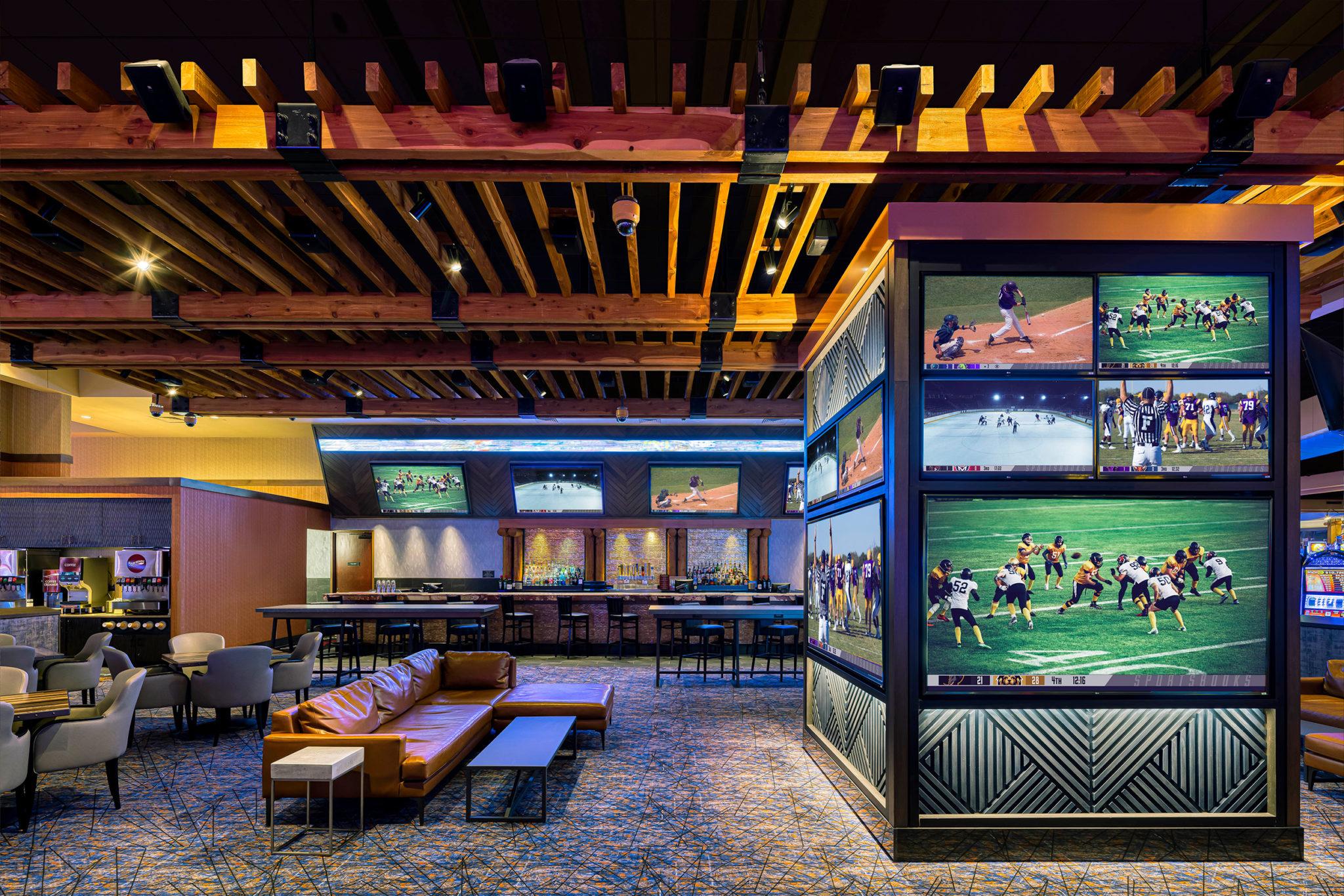
HBG Design is one of the leading casino architecture firms in the country, with a portfolio of projects that spans from New York to Arizona. Practice Leader Nathan Peak understands the importance of getting the atmosphere right, because “betting is often more fun and more appealing to a much broader customer base if it’s a social and communal experience,” he says.
“Most often, we find that clients are looking for a way to incorporate the sportsbook into an already-active area of the casino, sometimes to create synergy with an existing adjacent amenity,” says Peak.
“This helps build energy into the sports gaming experience and infuse activity into nearby amenities. Rather than locate a vital revenue-generating amenity like the sportsbook in the smoky shadows of the property, we want to make it highly visible. Several of our recent sportsbook concepts integrate sports betting into the center bar or into existing restaurants or into multi-use venues… Think, camaraderie with your friends, big TV screens, multiple games on at once, comfortable chairs, tables and bar seating with great food and bar service.”
Regardless of where the sportsbook is located, collaboration is crucial, especially in the initial stages of planning and design. For Peak and HBG, the two biggest challenges when starting a new project are understanding the “client’s needs from an operational standpoint” as well as “what their customers desire.” National firms may not be in touch with some of the smaller markets, but “clients understand their customers and markets better than anyone else,” so it’s often best to start at the source to sculpt a blank canvas into a functional, money-making space.
“There is always some type of sporting or competitive event happening, which provides continuous opportunities to promote and hold special event nights in the sportsbook, particularly on off nights,” says Peak. And, if worst really does come to worst, operators can always put on sports TV outlets such as ESPN and Fox Sports, in the hopes of convincing stray hotel guests or passersby to stop and watch highlights or talk shows by the bar.
Global Gaming Business: 5 Questions for HBG
 Global Gaming Business Magazine has 5 Questions for HBG Design's Nathan Peak:
Read the profile article here at Global Gaming Business. Thu, Aug 25, 2022
HBG Design is a recognized leader in the design and construction of new casinos and renovations across the spectrum. Nathan Peak was recently named the practice leader for the firm, and he explains why the company has been successful in the gaming industry, particularly tribal gaming. He spoke with GGB Publisher Roger Gros from his office in Memphis in July.
GGB: HBG has established a great reputation in the gaming industry over the years. What’s it going take to maintain that leadership in your new role?
Nathan Peak: I think we have a different way of thinking. In the new role, I want to have a greater focus on integrated design. And what I mean by that is we really like to work with our clients and our operators to understand what they do best and really make design an extension of the gaming experience. For example, I love to get to know our operators. I love to get to know how the slots work and how they put their games together. I like to work with the food and beverage director, understand what their menus are and how our experience can really enhance the experience of the entire property. So I think of that as an extension to architecture and not just building pretty buildings, but really designing experience around what we do that enhances our clients’ properties.
You’ve developed some really great properties, one of them being the Oaklawn Racetrack Casino in Hot Springs, Arkansas. It’s got such a colorful history, and you made the hotel and casino blend into the track. You treated the history with respect and the final design recognizes that.
The Oaklawn Racing Casino Resort is a great project. We’re very proud of it. Having the hotel right there at that first turn and having rooms look right down the horse track is a pretty amazing experience. There are lots of great themes throughout that space. We used a lot of the different stripes, and decorations that they put on the horses and used that pattern throughout the casino and the guest rooms—I think it’s really well done.
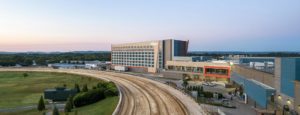
A recent job you’ve gotten is the Gun Lake project in Michigan, run by Sal Semola. Tell us about that project.
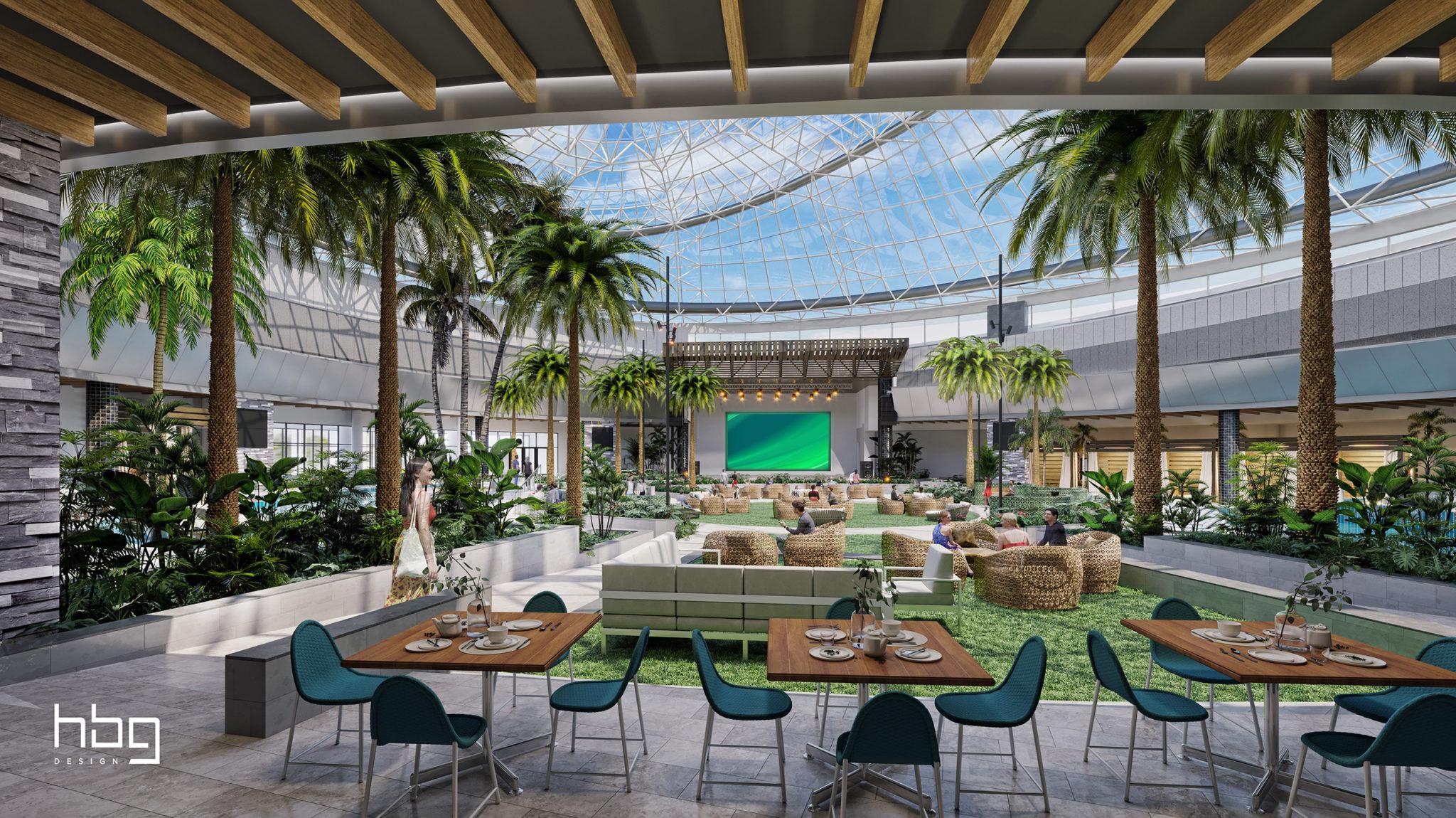
Sal is a great person to work with and we do it very collaboratively. And they did something very bold. They approached us with a program that I think is very unique. It’s something more of a hybrid where we have a typical hotel that’s going to be a four-diamond hotel that attaches to their existing gaming floor. But with a unique multi-purpose pool and events complex, an enclosed atrium space that houses several pools that can also turn into a nightclub or a concert venue in the evening. So it has dual purposes, but having that right in the middle of a cold Michigan winter. It’s going to be something great for their customers every year, year-round.
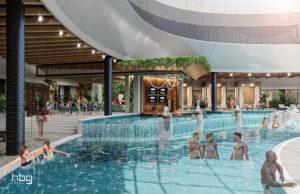
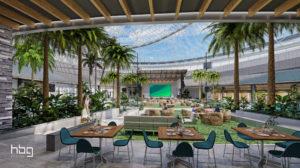
Let’s talk about the design and construction industry post-pandemic. My contacts in the architectural and construction field told me things were going great getting back to normal—actually even better than normal. But with the supply chain issues and rising interest rates, what’s the reality right now?
The reality is that it’s always been challenging post-pandemic. But a really great thing for the industry of design and construction is that it’s really brought design and construction closer together. Design and construction used to be two different silos where we would design something and then have a contractor help us out. But now it’s really about working from the end forward. I’m on daily calls with contractors and subcontractors to find how to make things work. We have to commit to promises for our clients, and working with contractors and design-assist contractors helps us find ways to make things happen.
Following the pandemic, most took slot machines out for social distancing. Today, there are many more carousels rather than long lines of slot machines. How do you work with your clients when you consider a renovation of the casino floor?
To my point I made earlier, I really like to work with all departments, and I get a lot of information back when I talk with the slot directors. To me, they want to energize the gaming floor. We’ve worked with a lot of operators, and a lot of them have reduced their quantities of machines. For example, we work with the Four Winds group in Michigan, the Pokagon Band, and they’ve actually done a pretty significant reduction, but they’ve also seen higher play, a higher win or a higher coin-in for most of the machines just by reducing it. So I think it’s a balance that each property needs to find on its own.
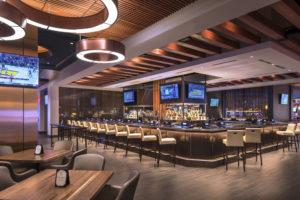
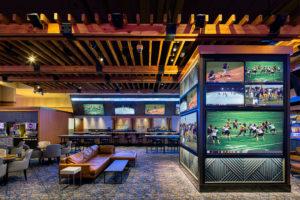
Global Gaming Business: 5 Questions for HBG
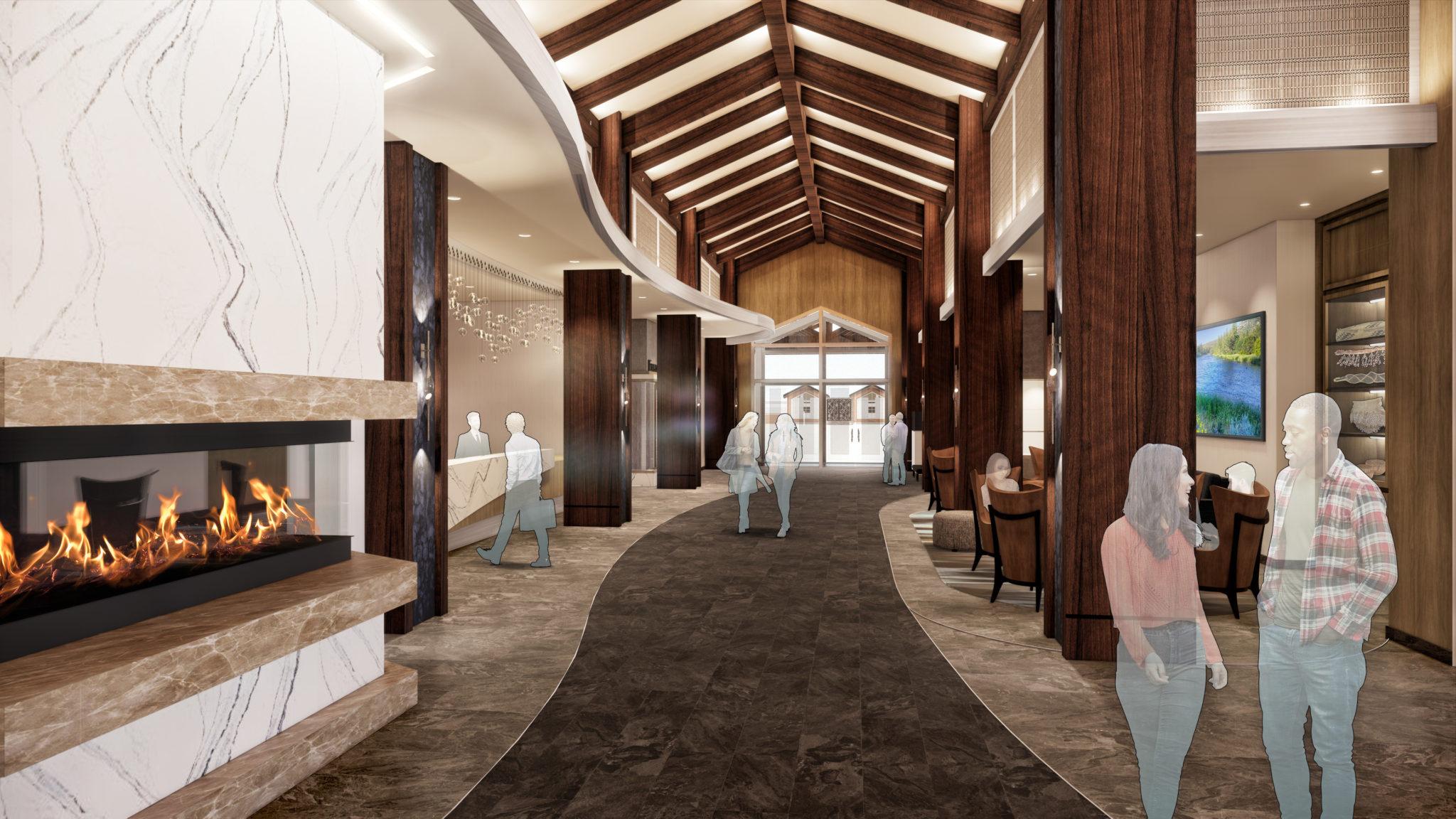
Rain Rock Casino breaks ground on new addition
KDRV NewsWatch 12 covered the Ground Breaking Ceremony.
Updated
Yreka, CA - Today the Rain Rock Casino in Yreka broke ground to begin its transformation from a pit stop casino to a travel destination. The future of the casino will provide more stability to Siskiyou County and the Karuk Tribe.
The project is being designed by HBG Design, a nationally recognized entertainment design firm.
Projected to be complete in 2024 the Rain Rock Resort will feature more than 80 rooms, VIP cabins, a luxurious pool, and a convention center. Mayor of Yreka Duane Kegg says the addition will create more jobs and circulate more money into the city of Yreka.
“For every dollar spent in Yreka, 75% will be will get recirculated back into this community so it’s huge. For them to expand on this just means more value for the city of Yreka. Bringing people that would not normally stop in Yreka are now stopping in Yreka so it’s huge all the way around,” says Kegg.
This addition will create a better sense of community and develop economic growth for Siskiyou County. changing the city in a very positive way. Chairman for the Karuk Tribe Buster Attebery says they need jobs in Siskiyou County and the building of this resort can help be a solution.
Rain Rock breaks ground - Rain Rock Casino shares their vision for an expanded gaming destination.
“It’s a great opportunity to create more jobs in Siskiyou County and more opportunities for the people who live here and the people that want to come back to this beautiful place,” says Attebery.
According to the Mayor, the small town will explode with this destination resort, it will help with tourism and expose the beauty of northern California.
Attebery says this project will be a positive change for the county, community, and tribe. “The ultimate goal is to make Siskiyou County and the city of Yreka a better place and make some contributions to those efforts and most of all a way of self-sufficiency for the Karuk Tribe,” says Attebery.
This addition would allow the tribe to be more self-sufficient and self-governing. Bringing economic support to the community and Siskiyou County overall. They hope this project will turn the city and casino from a pit stop to a full-on travel destination.
Rain Rock breaks ground