
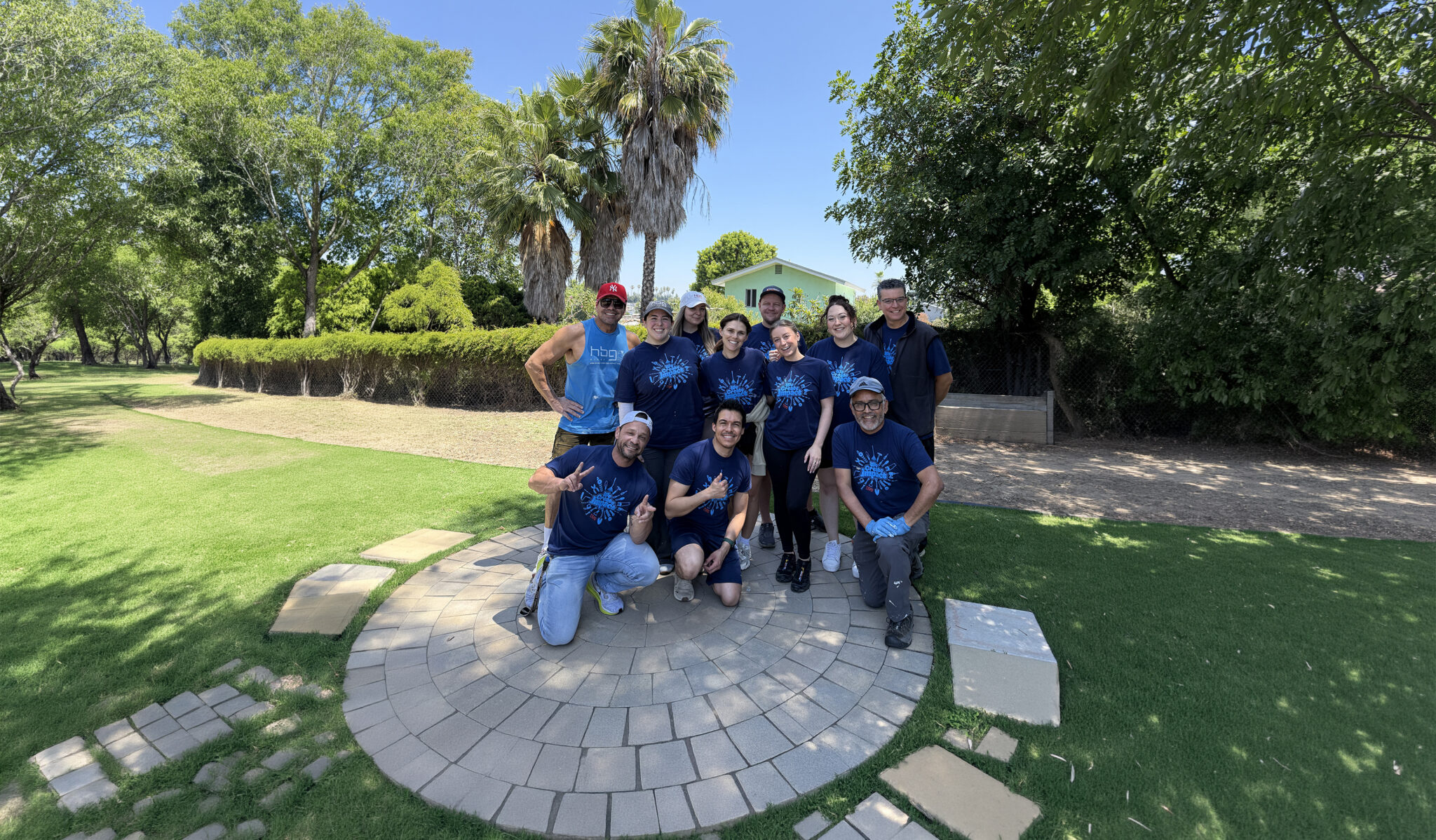
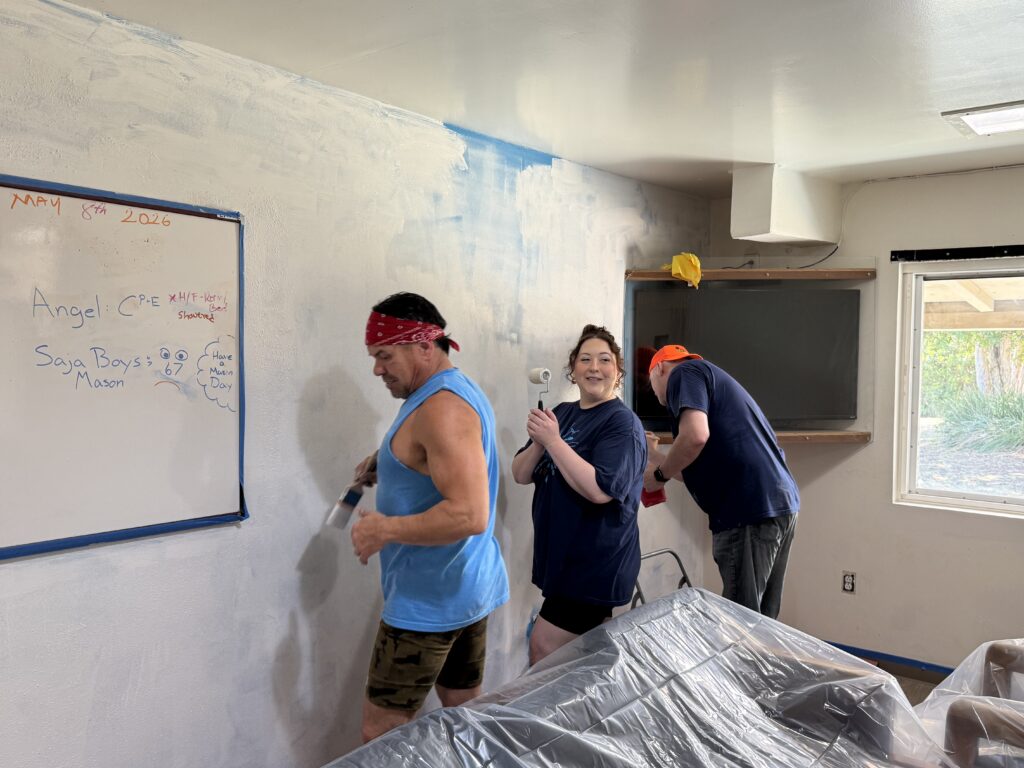
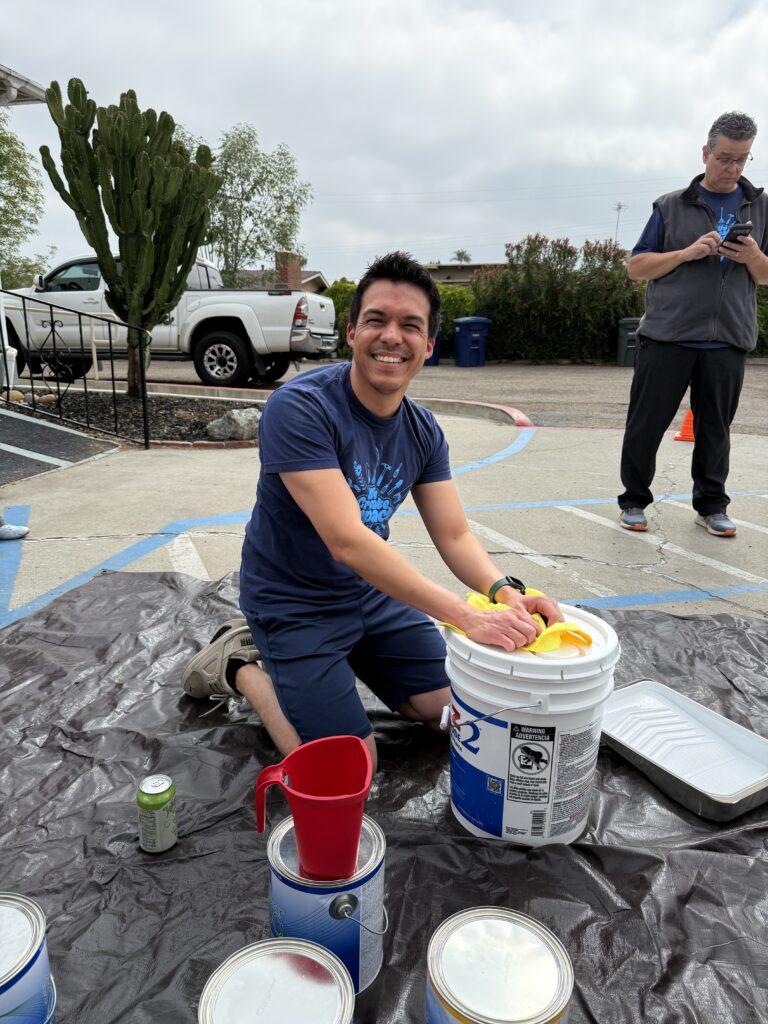
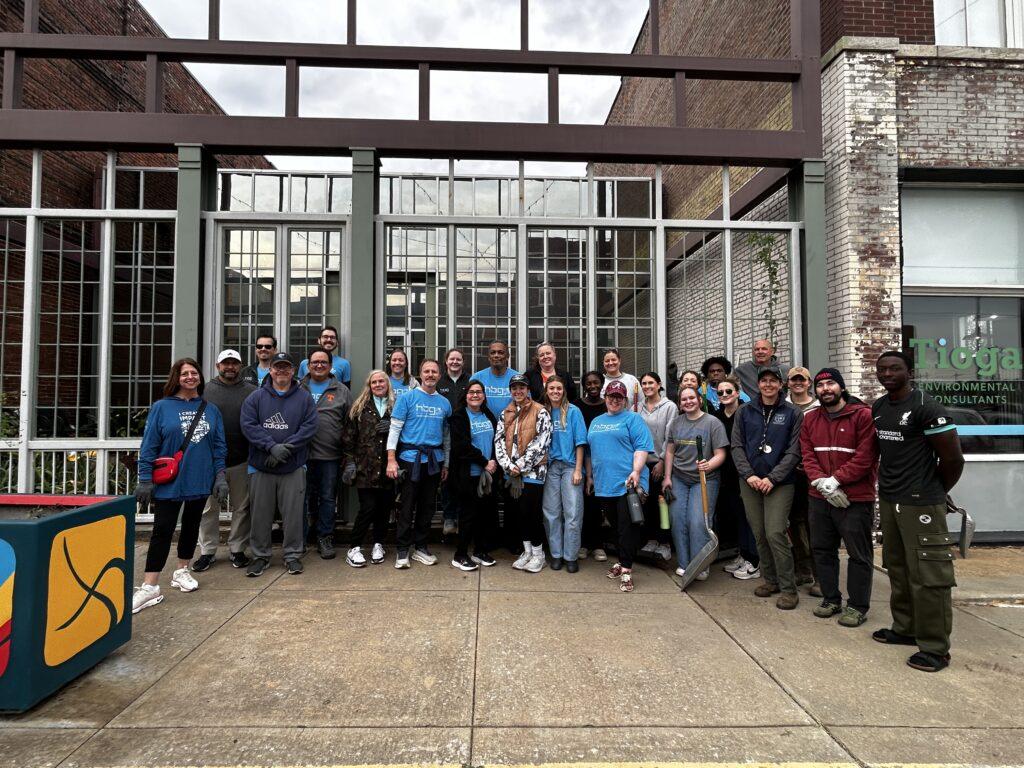
 This year’s volunteer workdays focused on refreshing the interiors of two residential cottages at Fred Finch’s Dual Diagnosis Youth Center in Lemon Grove, California. Building upon the design concepts developed during the San Diego team’s
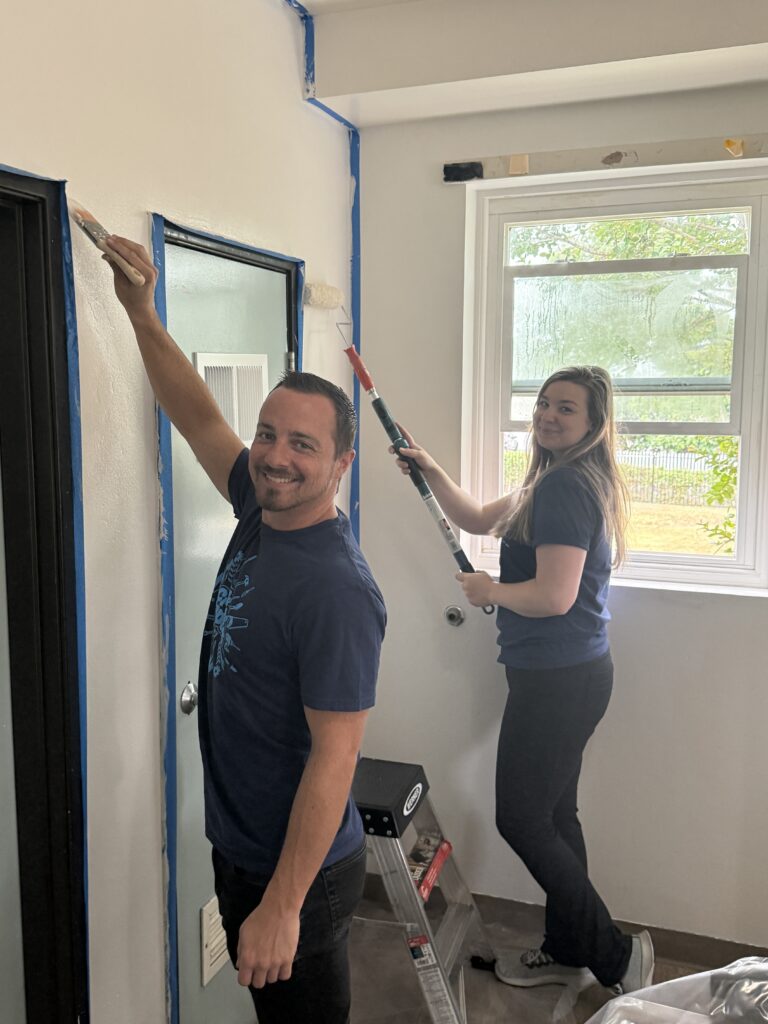
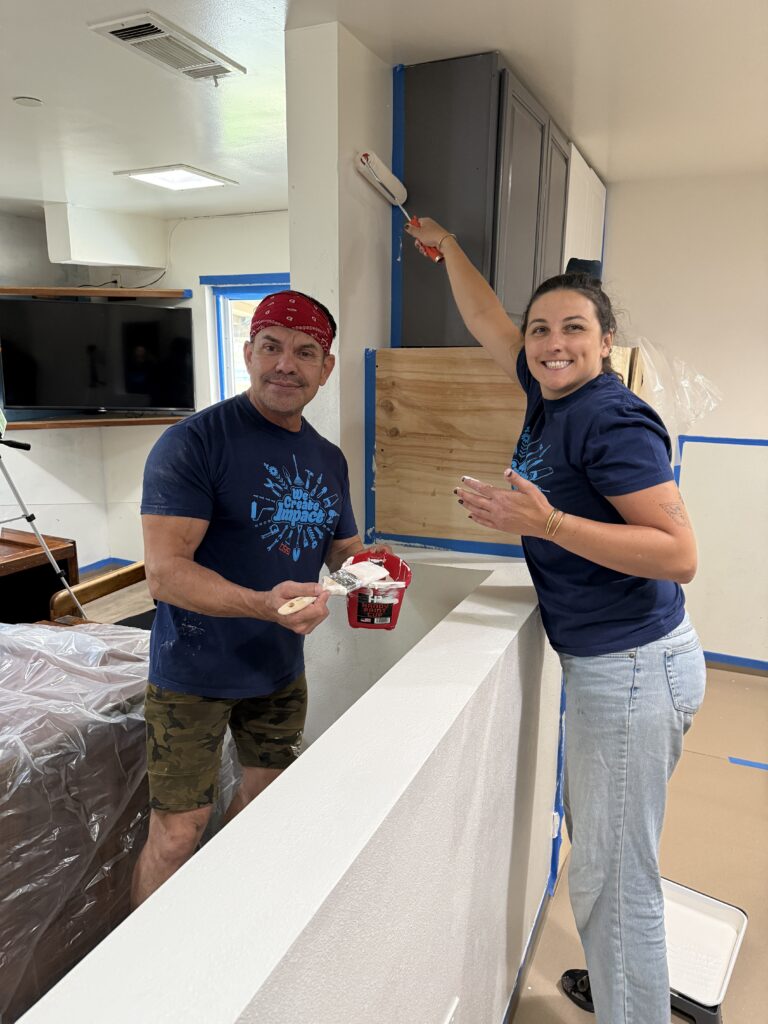
 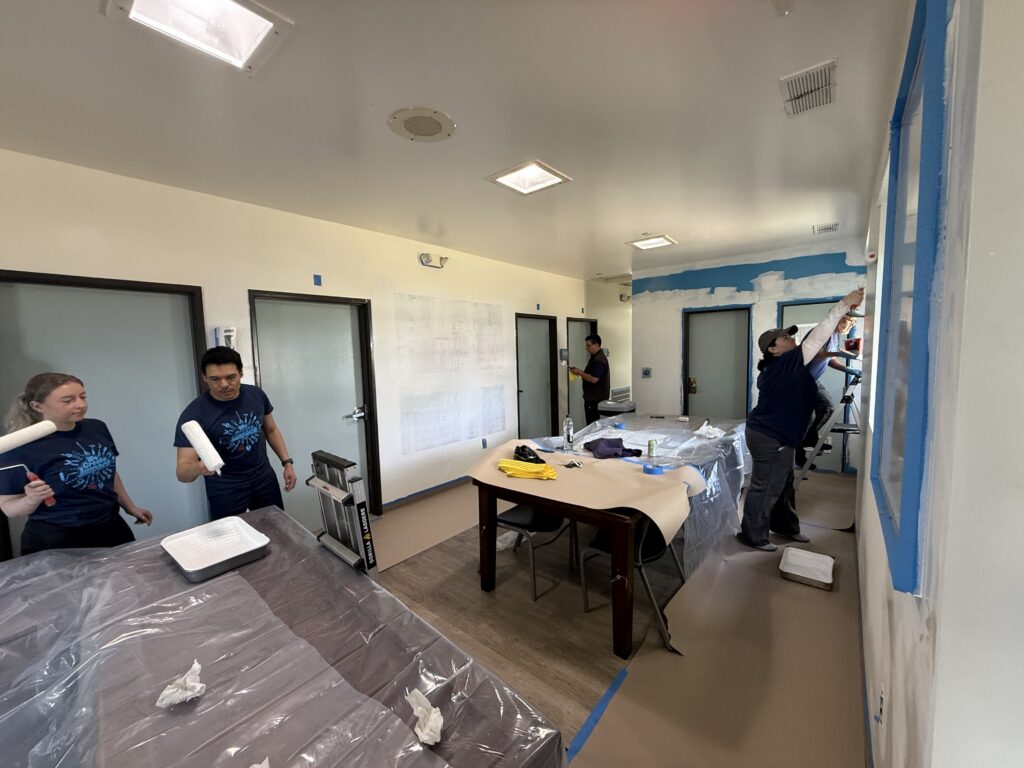 Over two volunteer workdays in May, 17 HBG employees dedicated their time to transforming the cottages by repainting the interiors a soft neutral selected to create a cohesive foundation for future improvements. The update replaced dark, bright-blue walls with a lighter palette intended to make the spaces feel larger, more peaceful, and more inviting.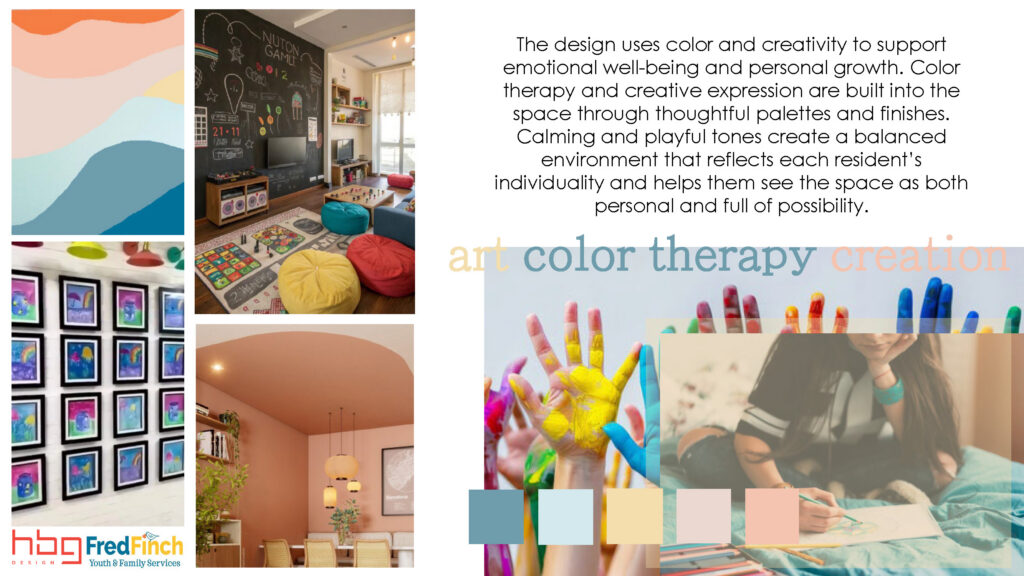
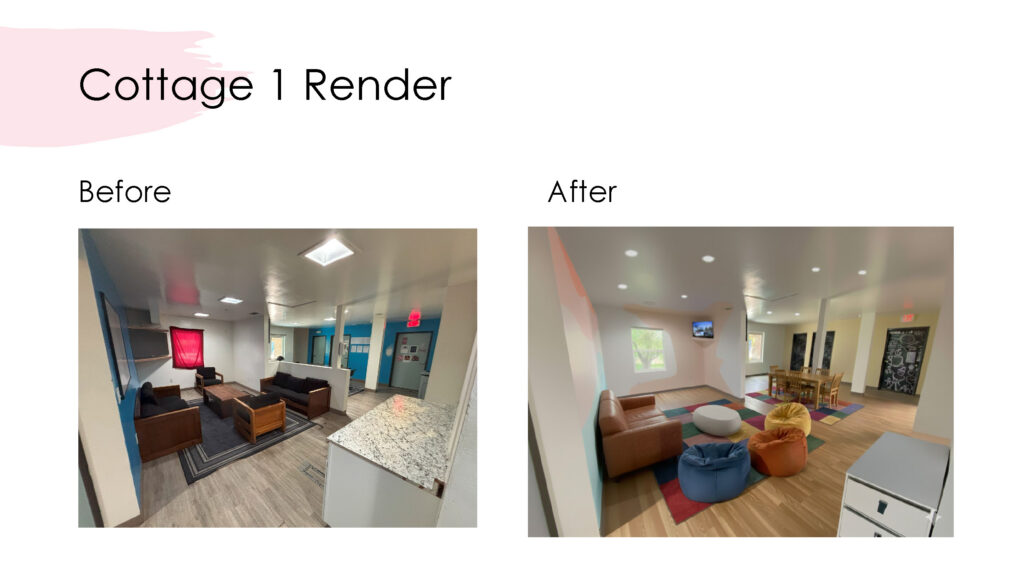 The project marked the first phase of bringing last year’s selected design concept — “Creative Expression & Empowerment” — to life. Fred Finch had already begun implementing portions of the concept through donated flooring installed prior to the volunteer days, and future enhancements are already being discussed, including murals and interactive chalkboard doors.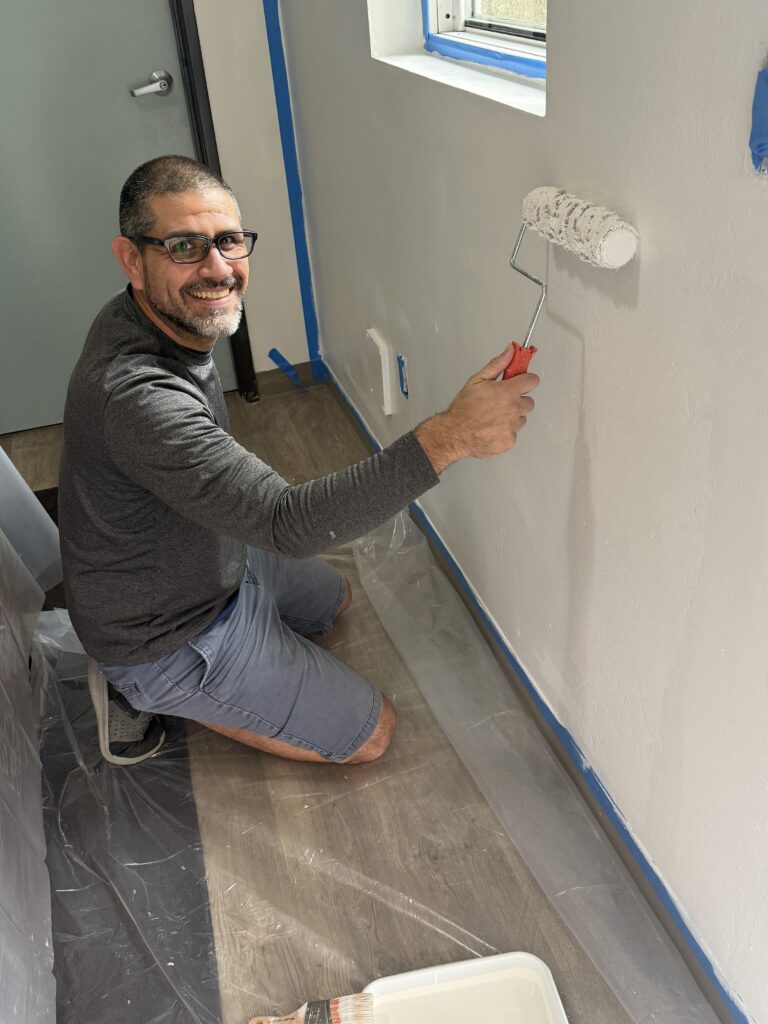





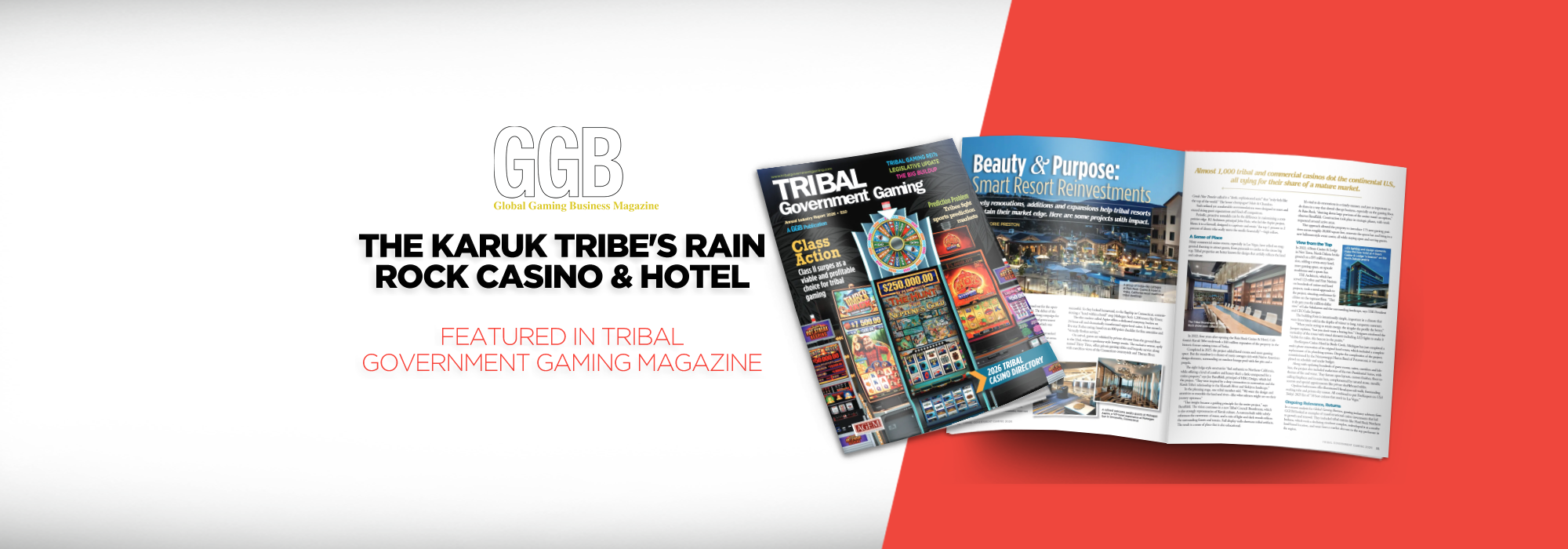
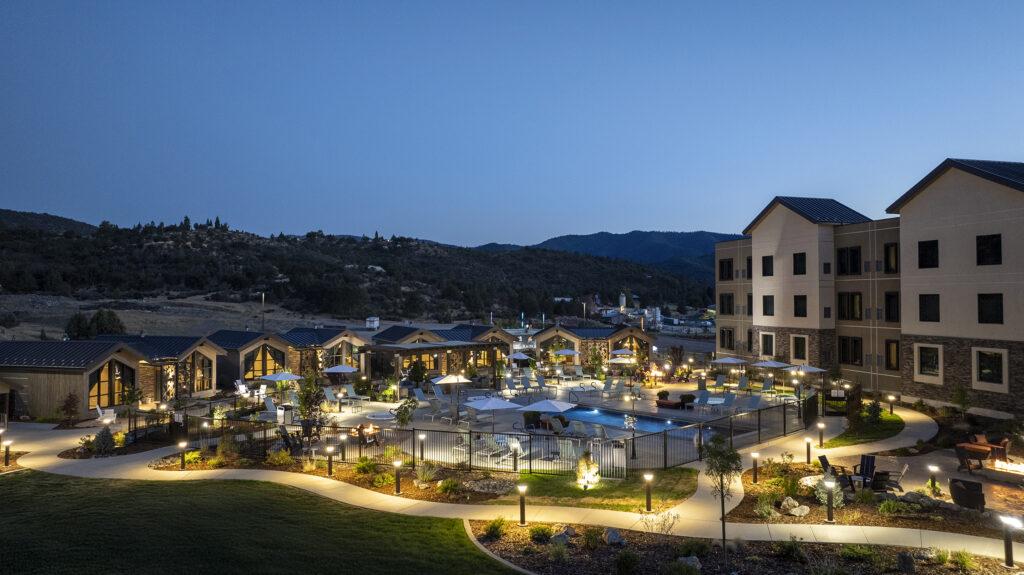
 Completed in 2025, the $40 million expansion introduces a series of enhancements designed to broaden the resort’s appeal while maintaining a clear design narrative.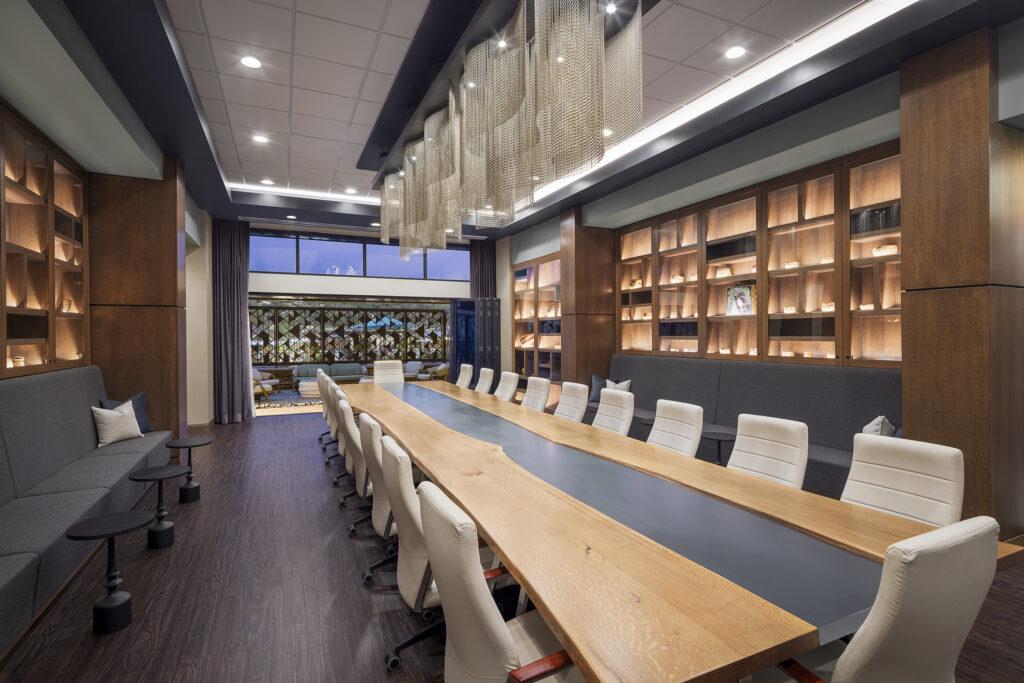
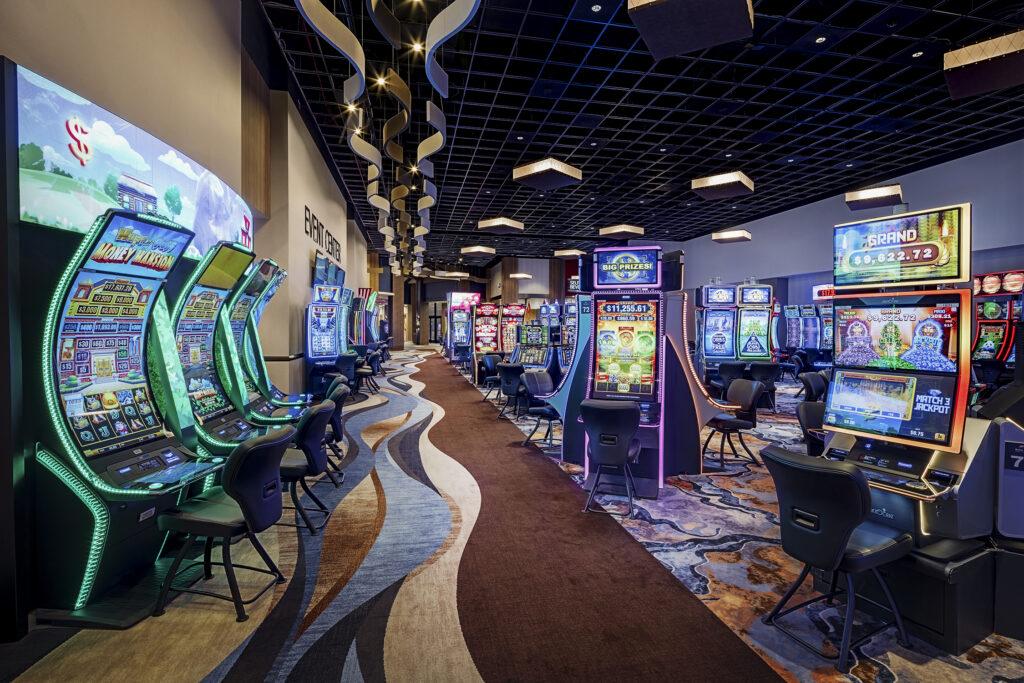 Key outcomes include:
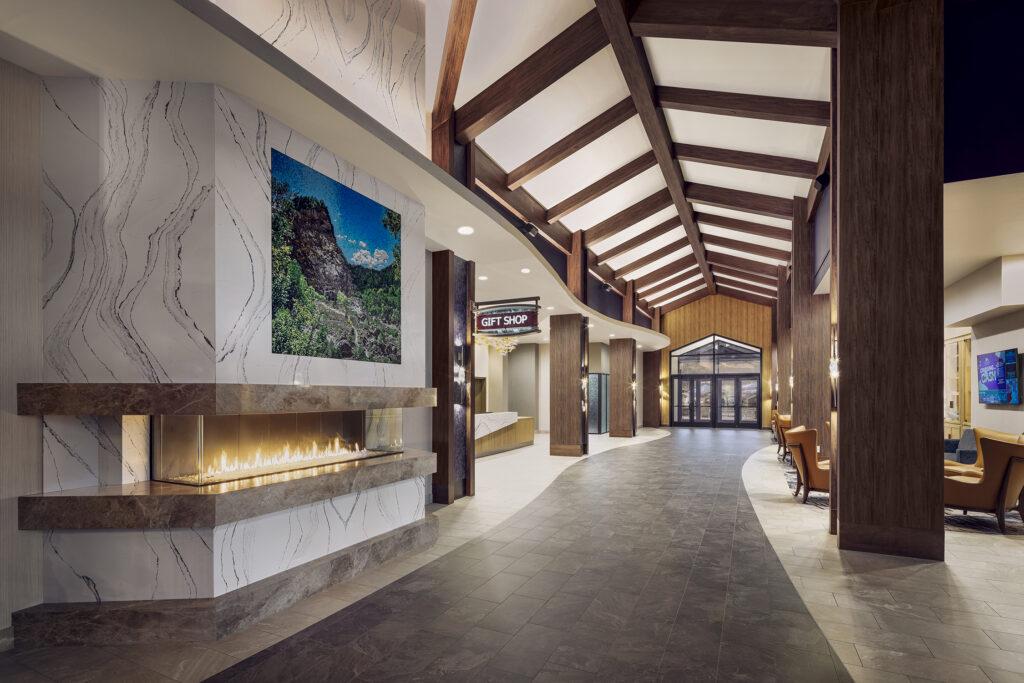 Rain Rock Casino Resort reflects a broader shift within the gaming industry—one that prioritizes meaningful, experience-driven environments over purely programmatic expansion.
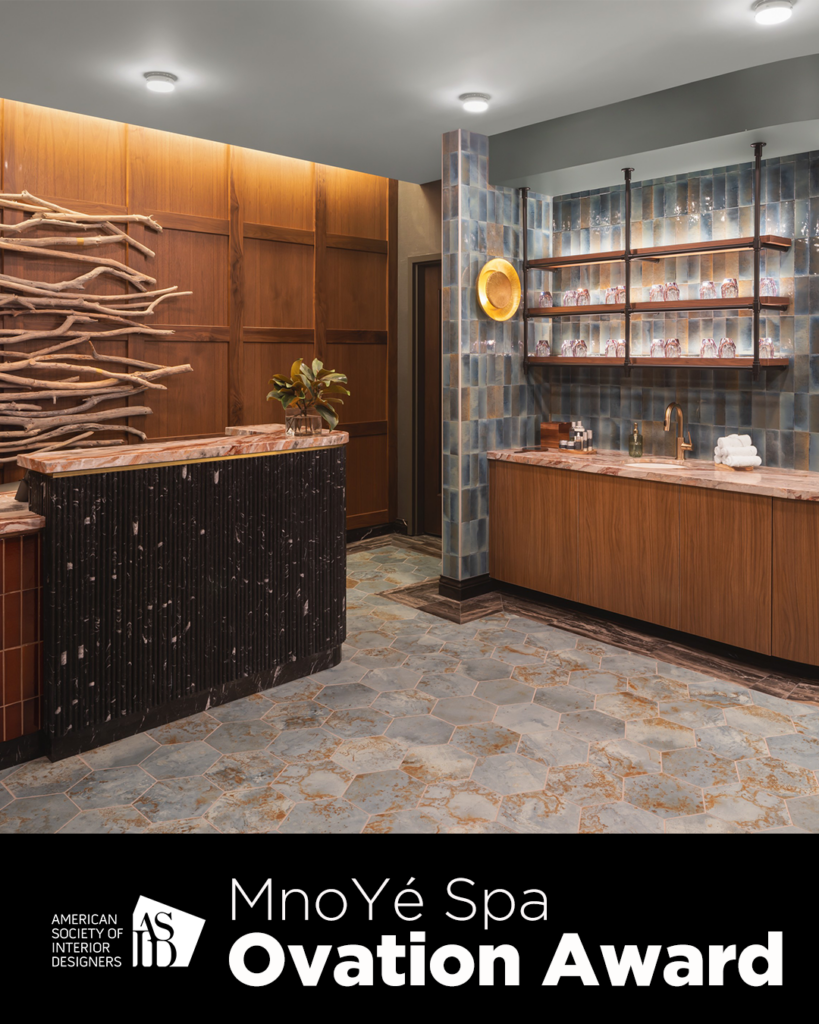 MnoYé Spa, located within
  The spa’s thoughtful integration of cultural storytelling and contemporary wellness design creates a memorable guest experience that stood out among all commercial submissions in this year’s competition.
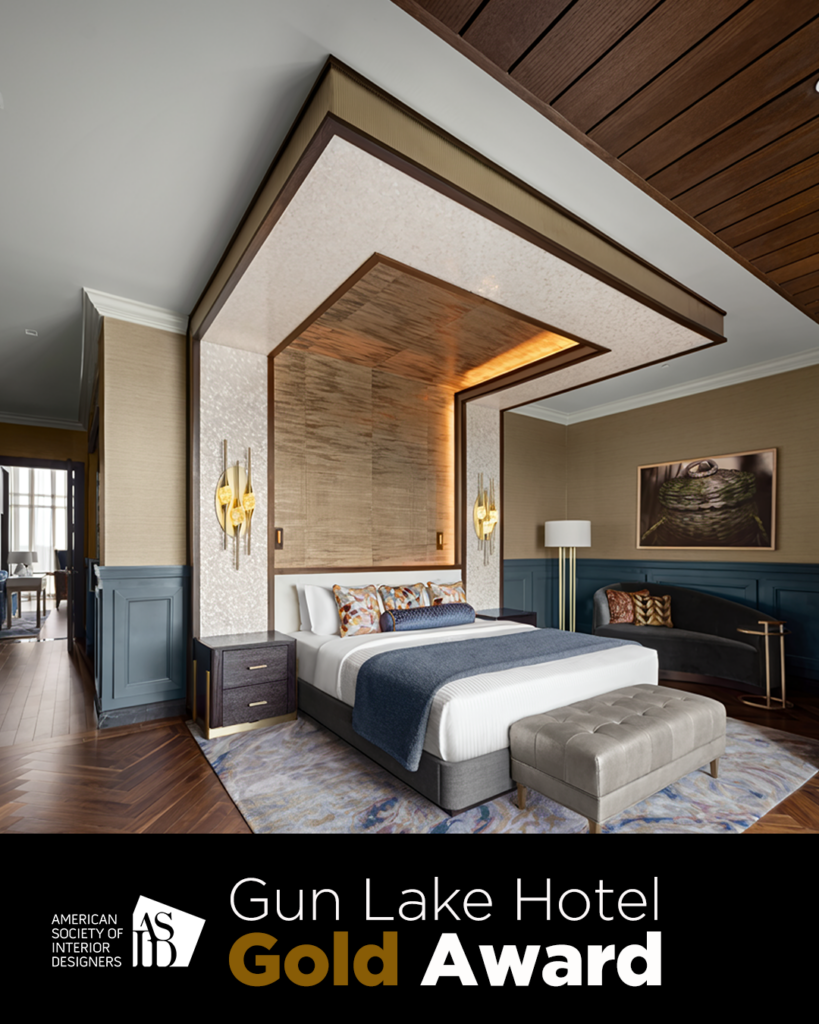 The Gun Lake Casino Resort Hotel received Gold in Hospitality Design, recognizing the interiors of the new hotel tower that anchors the resort’s transformation into a premier Midwest destination.
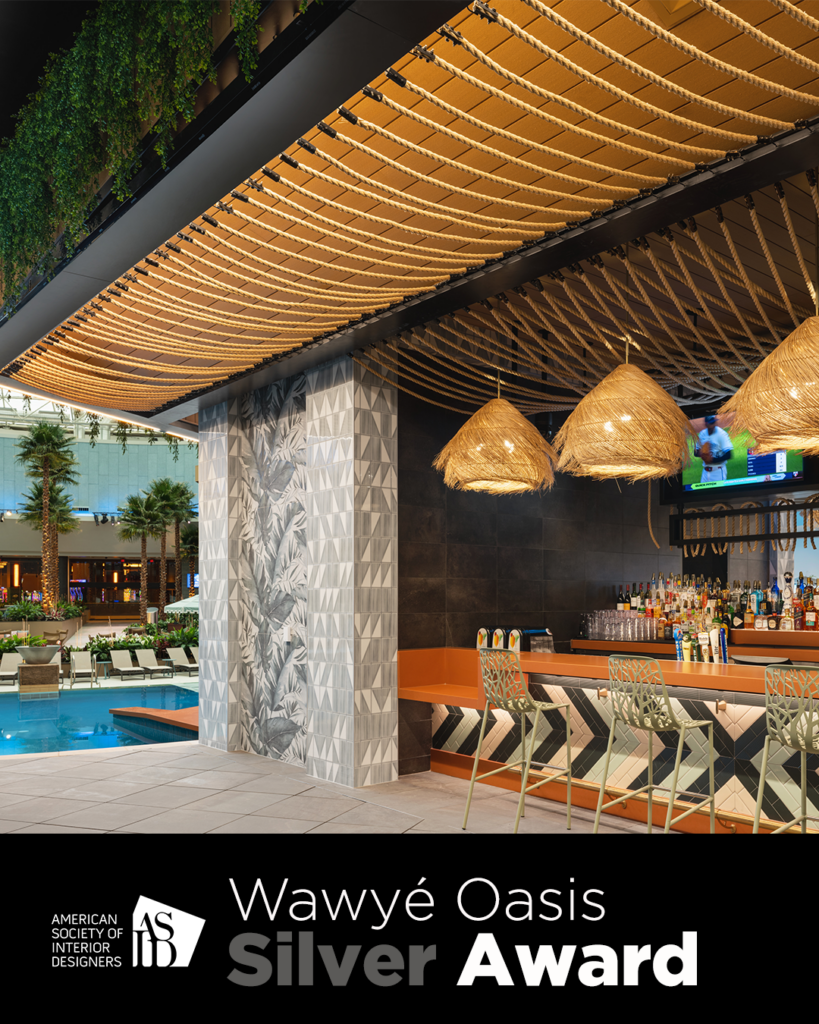 Completing the recognition for the resort expansion, Wawyé Oasis received Silver in Commercial Design. This dynamic pool and recreation venue creates a vibrant indoor resort environment designed for year-round enjoyment.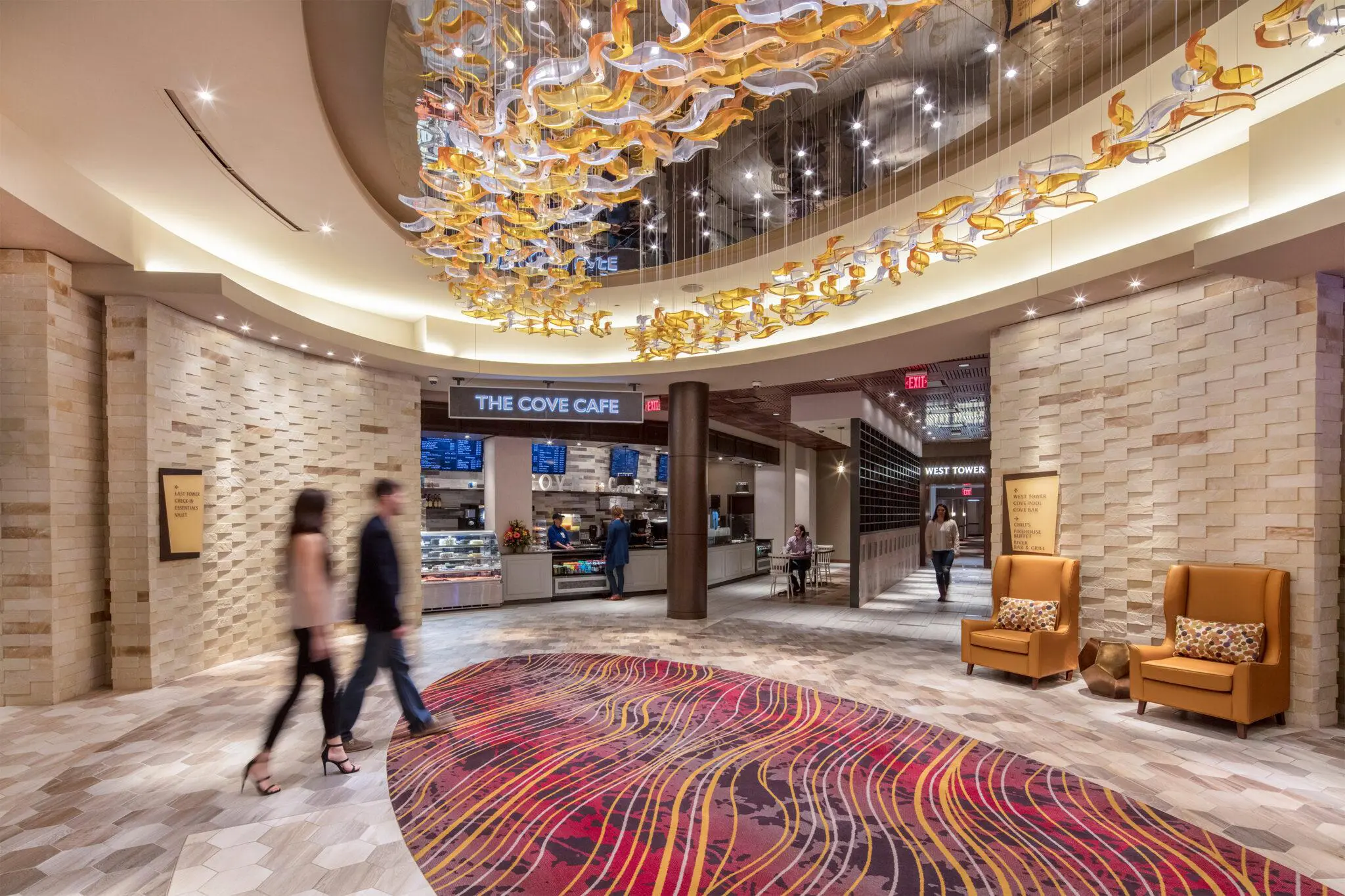
Are Your Public Spaces Working Hard Enough?
Hospitality Design Trends 2026: Wellness, Dwell Time & Revenue Activation
With rising construction costs and increasing guest expectations, every square foot inside a hotel or casino resort must deliver measurable value. Yet many public spaces — lobbies, lounges, pre-function areas, and resort environments — remain underleveraged.
The most important question for owners and operators today is simple: Are your public spaces working hard enough?
Across the hospitality industry, a shift is underway. Spaces that were once designed primarily for circulation are now expected to drive revenue, extend guest stays, and strengthen brand loyalty.
The future of hospitality design lies in activated public environments.
The 2026 Shift in Hospitality Design
One of the defining hospitality design trends of 2026 is the shift from passive gathering areas to multi-functional, revenue-generating environments.
Two major forces are driving this change.
First, hospitality and retail research consistently shows a direct correlation between guest dwell time and spending. When guests stay longer in an environment, they are more likely to engage with food and beverage, entertainment, retail, and premium amenities.
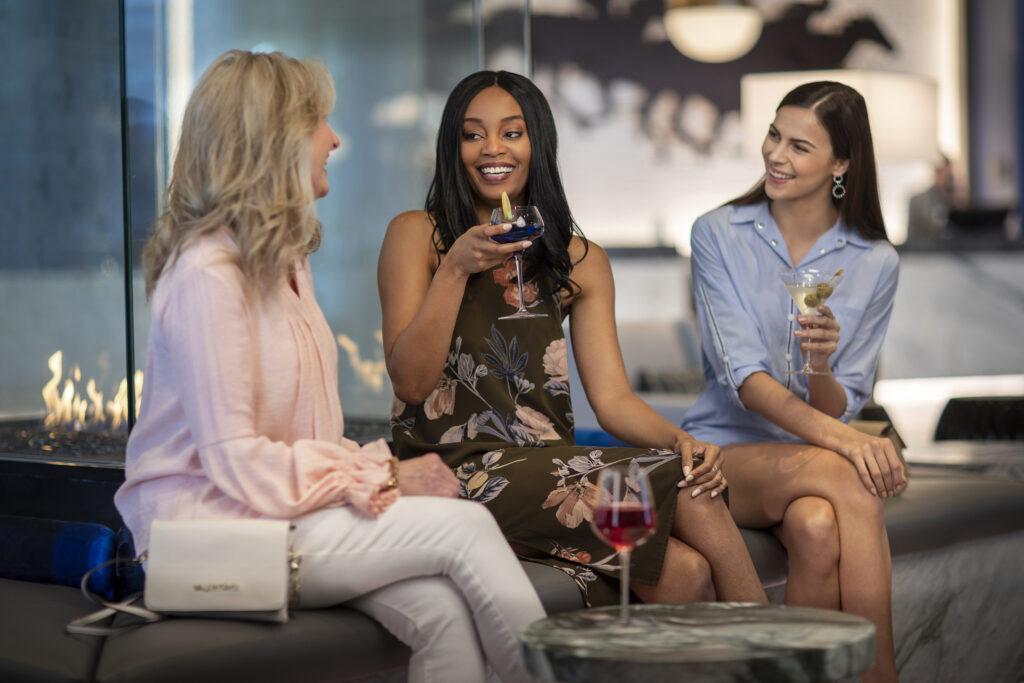 Second, the global wellness economy has grown to $6.8 trillion, according to the Global Wellness Institute. Wellness is no longer limited to spas or fitness centers; today it encompasses social connection, relaxation, and shared experiences — all of which take place in public environments.
 For casino resorts and destination hotels, this means public space has become one of the most powerful economic tools on the property.
Public space is no longer transitional — it is strategic.
What Is Public Space Activation?
Public space activation is the intentional design of hospitality environments to support both experience and economics.
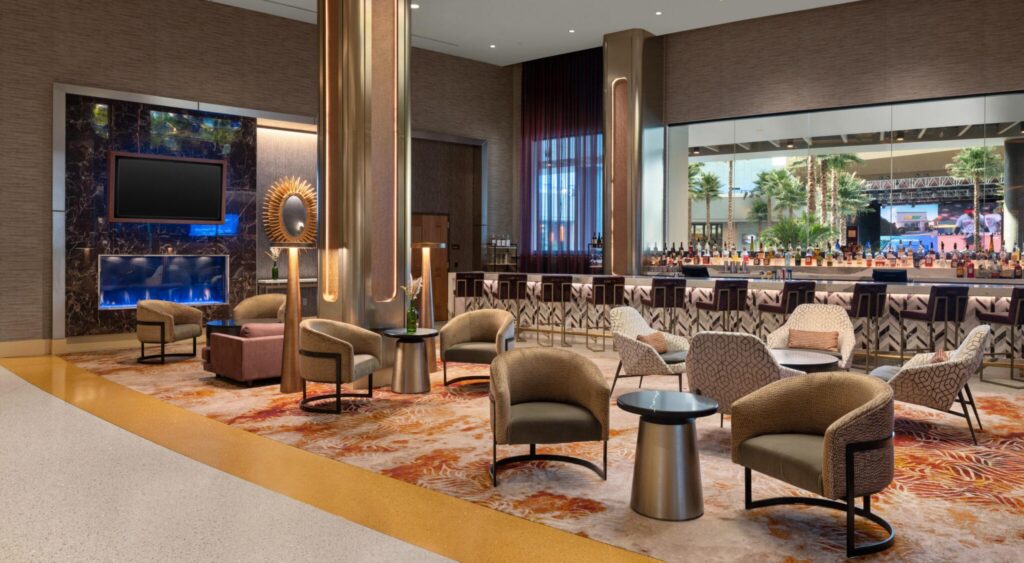
These spaces are designed to:
- Increase guest dwell time
- Encourage social interaction and group gathering
- Support multi-generational audiences
- Flex across dayparts and programming needs
- Strengthen brand identity
- Generate direct or indirect revenue
When done well, activated public spaces become the connective tissue of a resort, linking hospitality, entertainment, dining, and gaming into a seamless guest experience.
Gun Lake Resort: Designing an Indoor Destination
At Gun Lake Casino Resort, public space activation takes the form of an immersive indoor resort environment—free to guests during the day as a vibrant pool experience that also builds anticipation for the events and entertainment the space hosts at night.
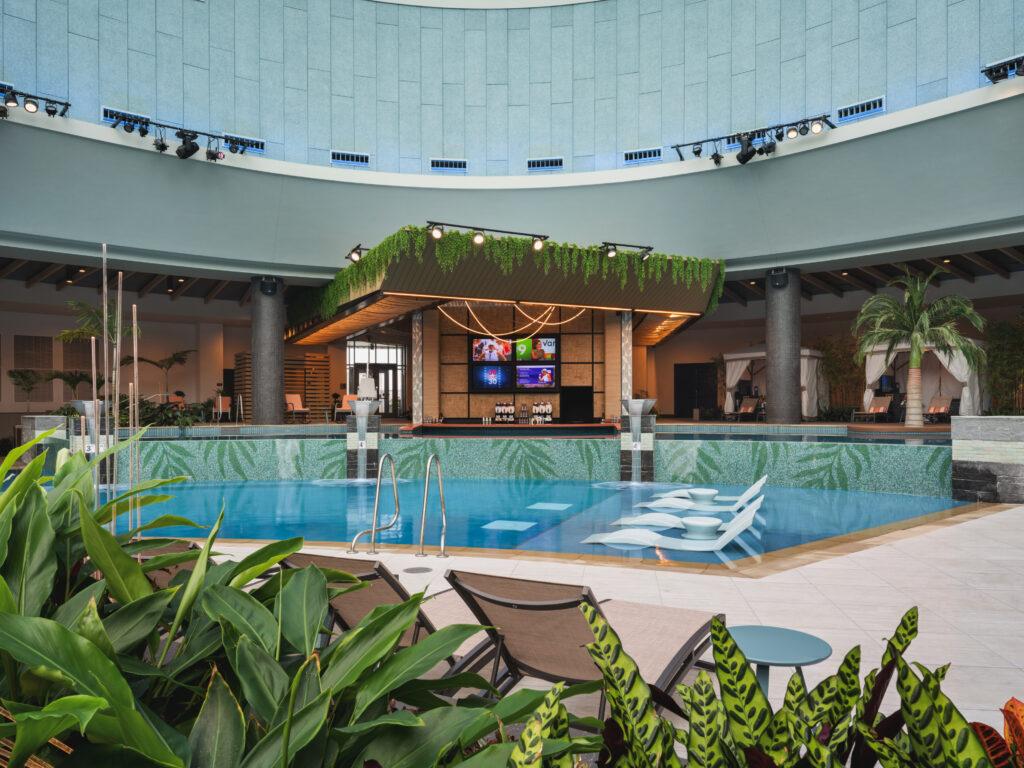
The Wawyé Oasis, a 32,000-square-foot indoor tropical atrium, creates a year-round destination that blends leisure, entertainment, and social gathering into a single environment. The climate-controlled space includes resort-style pools, cabanas, lounge seating, and integrated food and beverage venues arranged around a flexible event stage.
The key to the space’s success is programmatic flexibility. During the day, the Oasis operates as a relaxed indoor pool retreat for hotel guests and families, while its open layout and visual connections to the stage and surrounding venues create energy and anticipation for evening programming. At night, the same environment transforms into a concert venue, DJ lounge, or special event space—dramatically increasing utilization and guest engagement across dayparts.
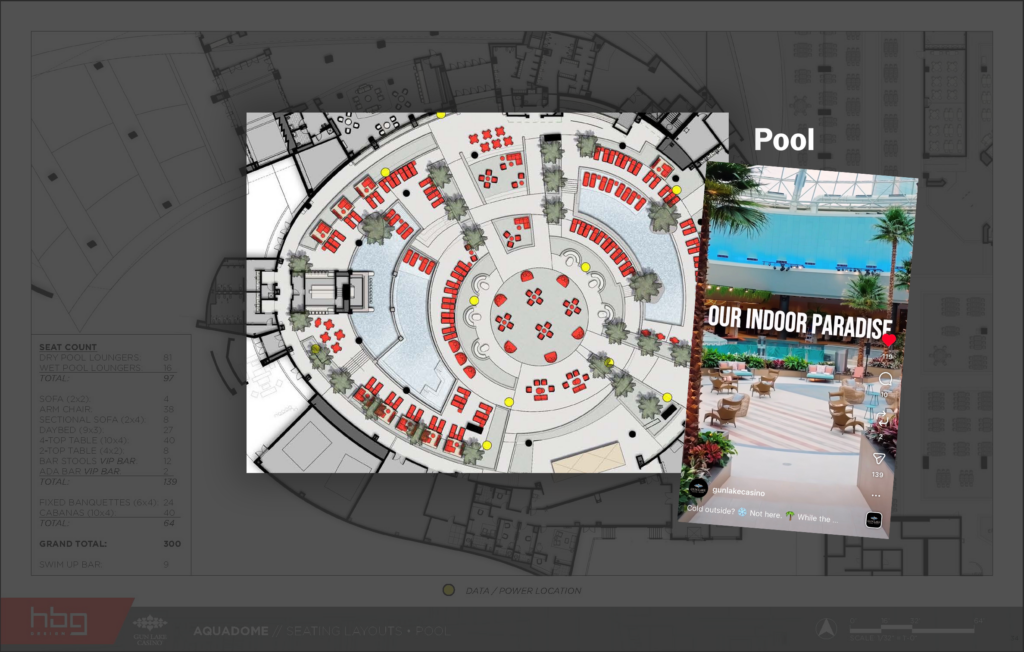
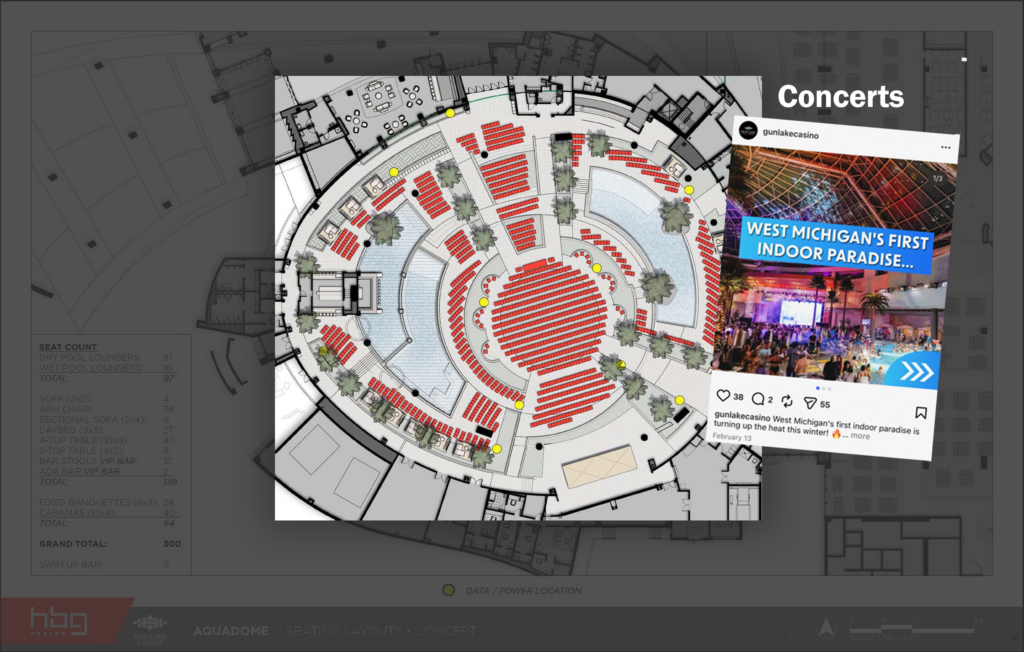
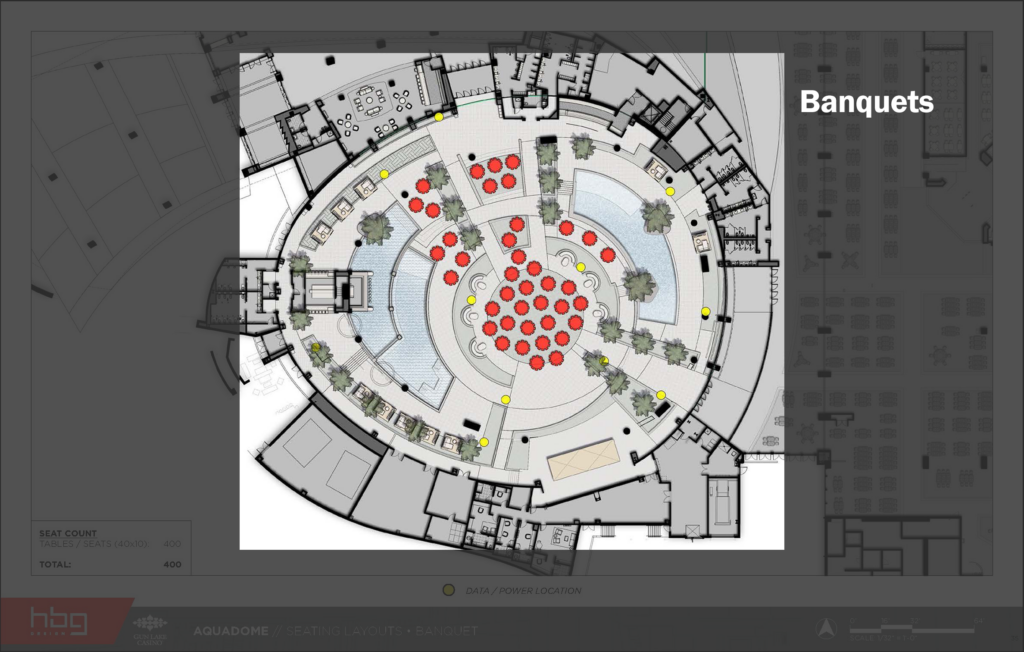
The environment also expands the resort’s audience. By creating a destination amenity that appeals to couples, families, and younger social groups, the property broadens its demographic reach beyond traditional gaming audiences.
Since completing its $300 million resort expansion, which introduced a hotel, spa, and new entertainment amenities, Gun Lake Casino Resort has reported a 20% increase in revenue along with strong hotel occupancy—signaling demand for experiential resort environments that extend the guest journey beyond gaming.
In this model, public space is not simply decorative—it becomes a strategic connector that builds visibility, excitement, and demand for the resort’s revenue-generating amenities.
Golden Mesa: Cultural Identity as Competitive Advantage
At Golden Mesa Casino & Hotel in Guymon, Oklahoma, public space activation takes a different approach — one rooted in cultural storytelling and social connection.
 The property’s $78 million expansion doubled gaming capacity while introducing a new hotel, dining venues, and multiple gathering spaces that together transform the property into the Oklahoma Panhandle’s only full-scale casino resort destination.
Rather than designing the lobby as a traditional circulation zone, the space functions as a hospitality hub.
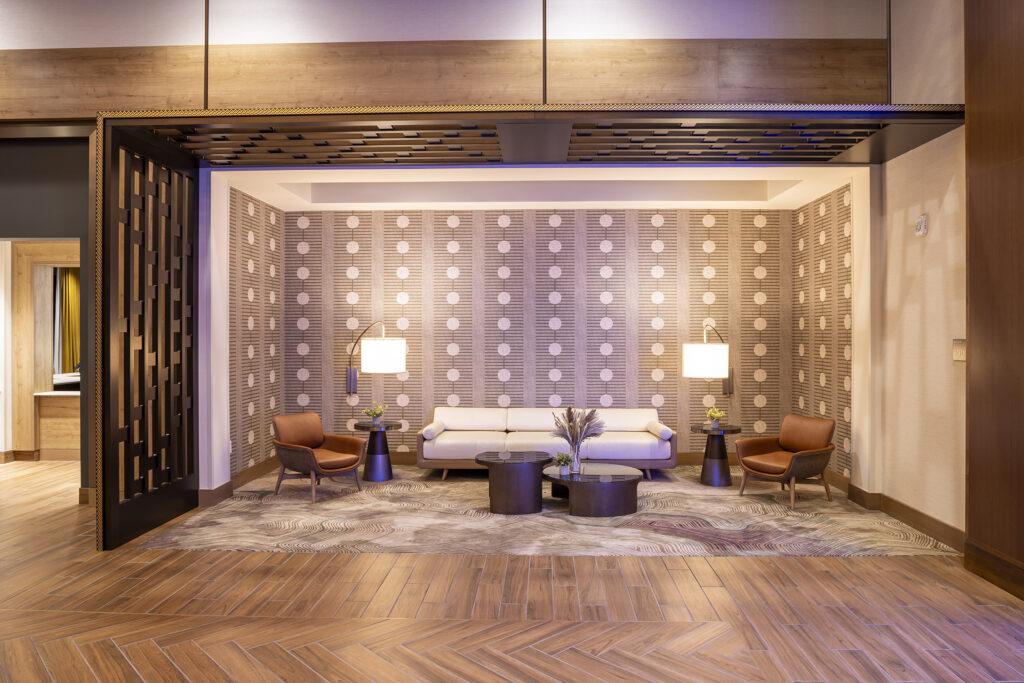
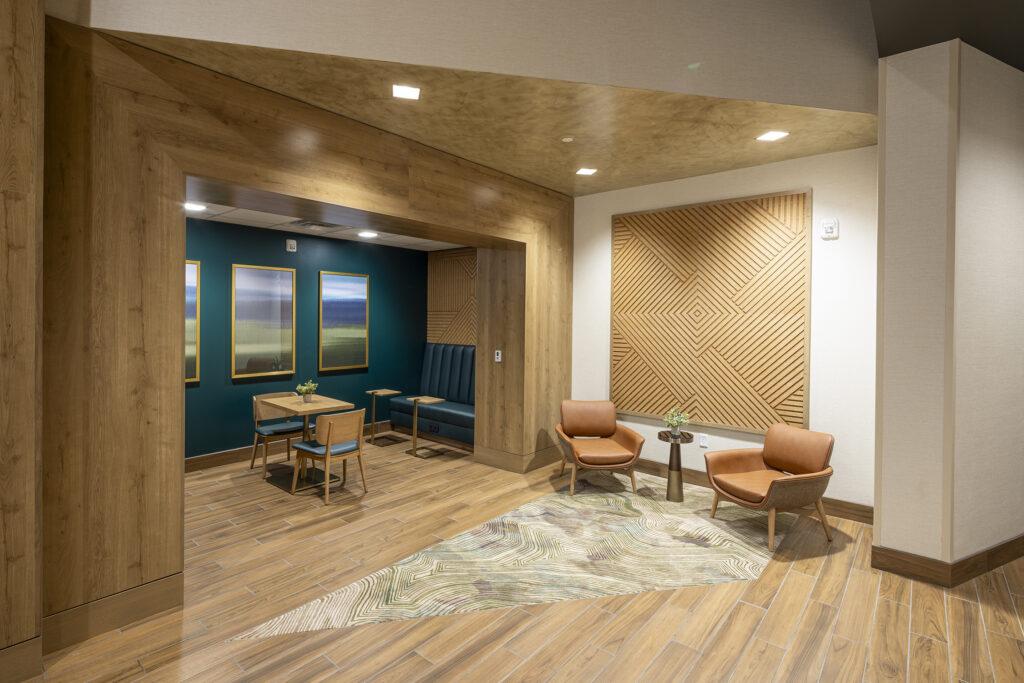 Residential-style seating clusters encourage guests to gather and linger, while the adjacent Panhandle Press café and nearby Cimarron Ridge restaurant create natural activity throughout the day. These proximities were intentionally designed to increase visibility and engagement with food and beverage offerings.

Technology also plays a role in activating the environment. On the casino floor, a 12-foot CLEAR digital signage wall introduces dynamic content and branding while maintaining visual transparency between the high-limit room and the gaming floor — drawing attention and curiosity from guests moving through the space.
Another key moment occurs at the transition between hospitality and gaming. A dramatic geometric light portal connecting the hotel lobby to the casino floor transforms circulation into an experiential threshold, guiding guests from calm social space into the energy of gaming.
These types of architectural moments do more than create visual impact — they encourage exploration and movement throughout the property.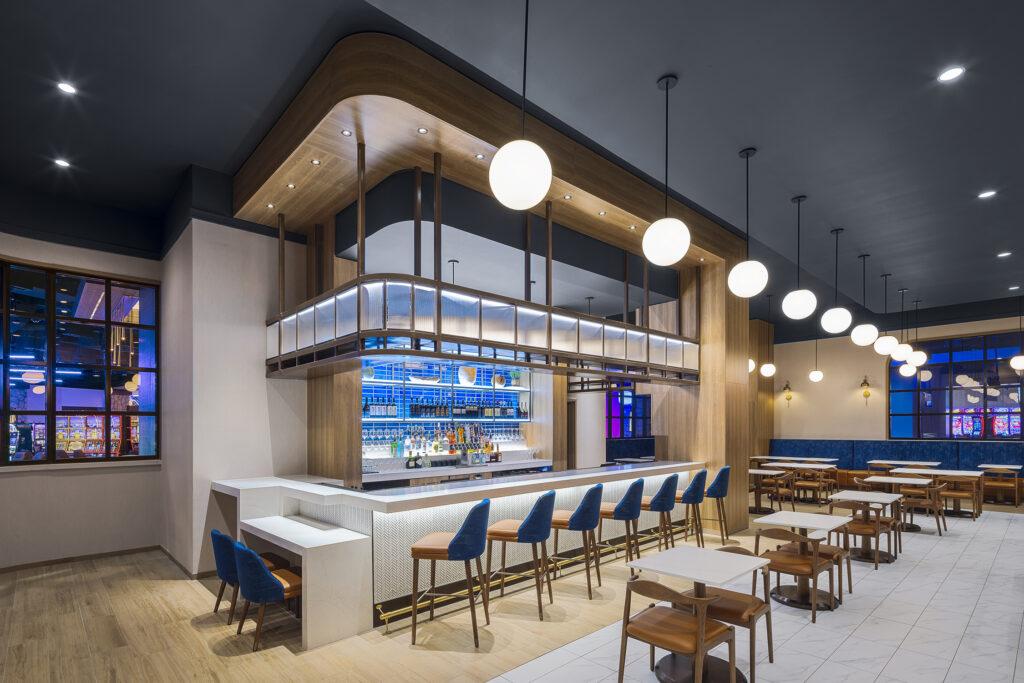
Golden Mesa demonstrates how culturally authentic environments can drive both guest engagement and long-term brand differentiation.
The Future of Hospitality Public Space
Across hospitality and gaming resorts, a clear pattern is emerging.
The most valuable square footage in a property may no longer be the gaming floor or guestrooms — but the spaces in between.
When designed intentionally, public environments can:
- Extend guest stays
- Increase cross-property spending
- Support events and entertainment programming
- Strengthen brand identity
- Create memorable social experiences
For owners and operators navigating rising construction costs and competitive markets, activated public space represents one of the most powerful design strategies available.
The most successful resorts in the next decade will not treat public space as circulation.
They will treat it as performance.
HBG Design Participates in the Form Follows Fitness 5K in Dallas
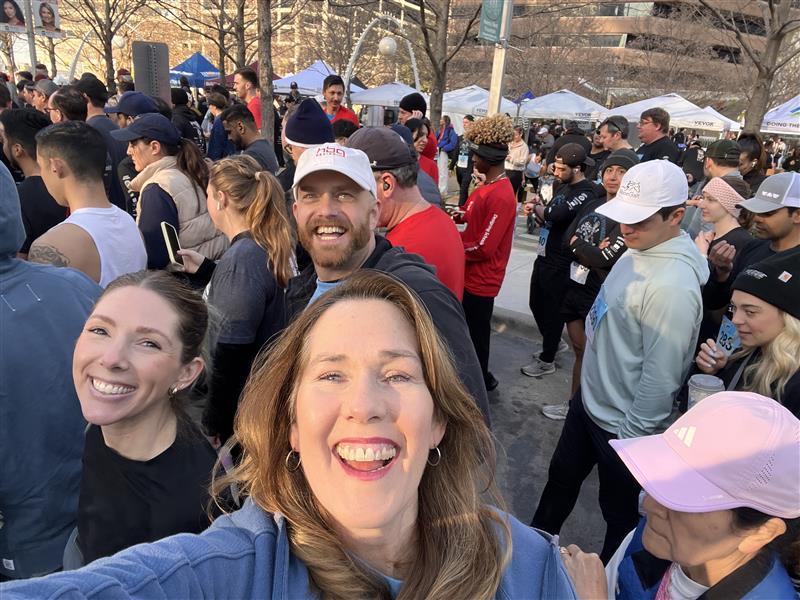
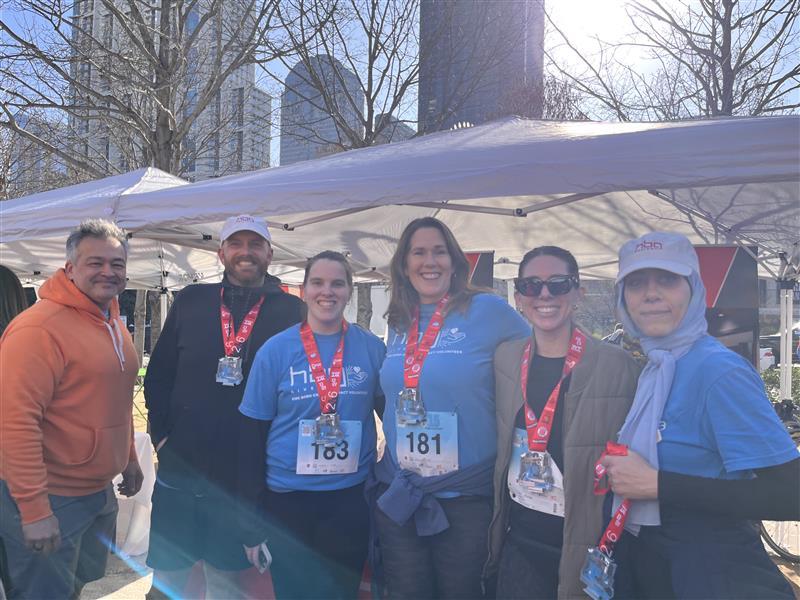
On a bright, sunshine-filled Saturday morning, team members from HBG Design’s Dallas office laced up their running shoes and joined thousands of architecture and design professionals at the annual Form Follows Fitness 5K—Dallas’ premier race celebrating the city’s iconic architecture. With an outstanding turnout, the event once again demonstrated the strength and vibrancy of the North Texas design community.
Team members from both the Dallas and Memphis offices participated, making it a meaningful cross-office event centered around wellness, community engagement, and industry connection.
Supporting the Purpose Behind the Race
Sponsored by Blackson Brick, the Form Follows Fitness 5K benefits The Architecture and Design Foundation. The Foundation is dedicated to advancing the value and impact of architecture and design throughout North Texas.
HBG Design is proud to support the mission of the Form Follows Fitness 5K and the Foundation’s efforts to make careers in architecture more accessible, cultivate future design leaders, and strengthen public engagement with the built environment. Investing in initiatives that elevate education, professional growth, and community awareness aligns closely with HBG’s own commitment to advancing the design industry.
The race route winds through some of Dallas’ most architecturally significant neighborhoods—including Uptown, the Arts District, and the West End—offering participants a unique opportunity to experience the city’s built environment from a new perspective.
Race Day Highlights
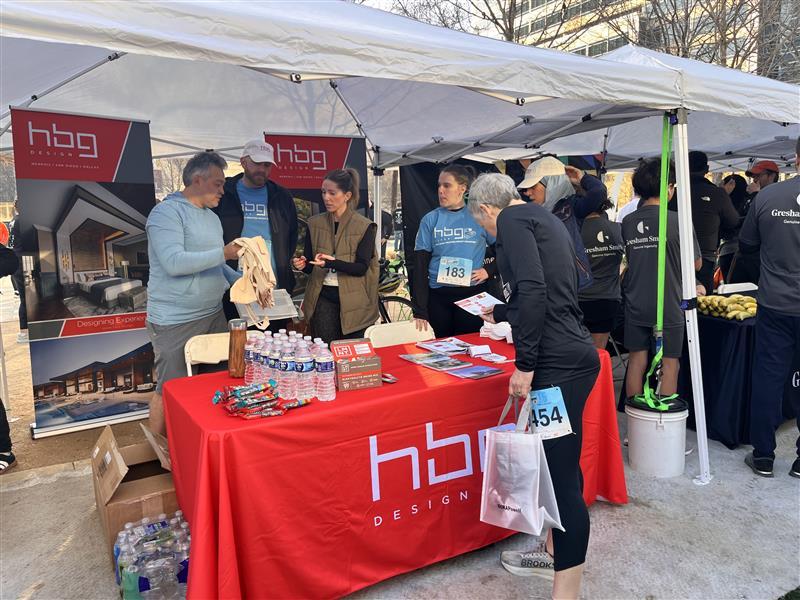
Beyond the run itself, the event offered extensive opportunities for networking and community engagement. HBG Design hosted a well-branded booth that attracted steady traffic throughout the morning. Team members connected with industry peers, strengthened existing relationships, and introduced HBG’s work and culture to new audiences.
With thoughtfully curated merchandise and refreshments, the booth created a welcoming space for conversation and engagement. The event also provided a valuable opportunity to elevate brand visibility in the Dallas market and actively connect with potential future team members.
Looking Ahead
Participation in the Form Follows Fitness 5K reflects HBG Design’s ongoing commitment to supporting the design community, promoting professional development, and encouraging wellness among our teams. Events like this allow us to celebrate architecture while strengthening relationships across offices and within the broader industry.
Thank you to everyone who helped coordinate and organize HBG’s involvement and ensured the day was a success.
Way to go, Team HBG!
HBG Design Named a 2026 Top Workplace
HBG Design is proud to announce that we have been named a 2026 Top Workplace by The Commercial Appeal, marking the 12th consecutive year our firm has received this distinguished honor in the Memphis metro area.
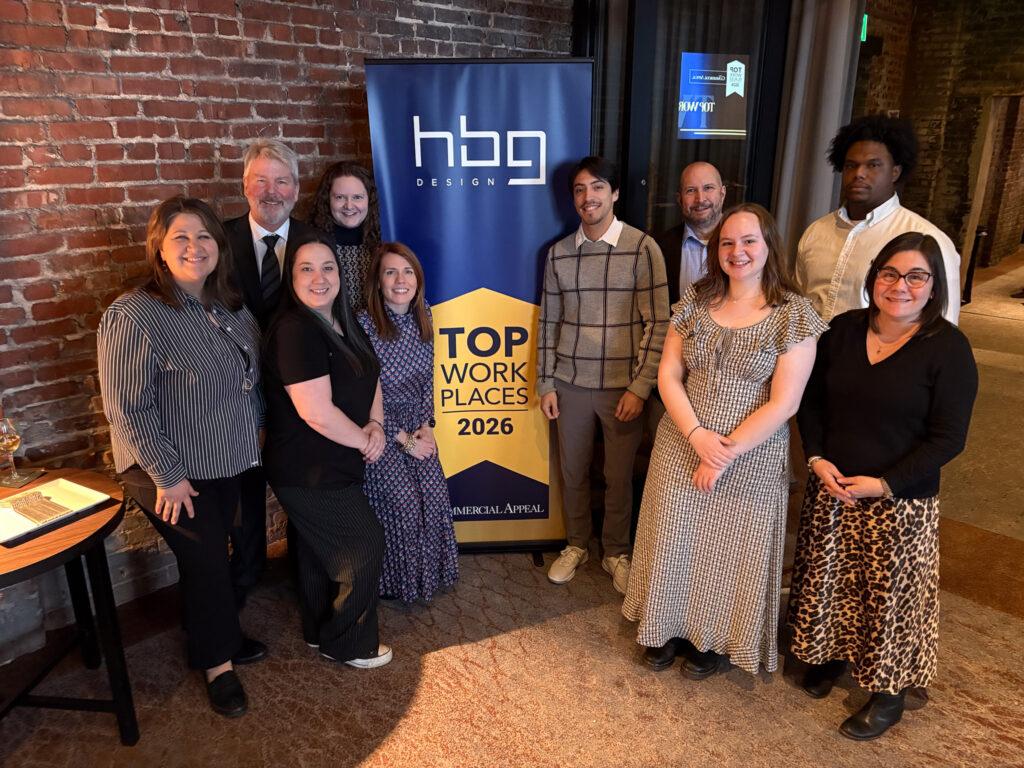
The award is especially meaningful because it is based entirely on employee feedback gathered through a confidential, third-party survey administered by Energage. The survey measures key components of the employee experience, including feeling Respected & Supported, Enabled to Grow, and Empowered to Execute — benchmarks that reflect the strength of our culture from the inside out.
As Eric Rubino, CEO of Energage, shared:
“Earning a Top Workplaces award is a badge of honor for companies, especially because it comes authentically from their employees. That’s something to be proud of. In today’s market, leaders must ensure they’re allowing employees to have a voice and be heard. That’s paramount. Top Workplaces do this, and it pays dividends.”
Where We Shined in 2026
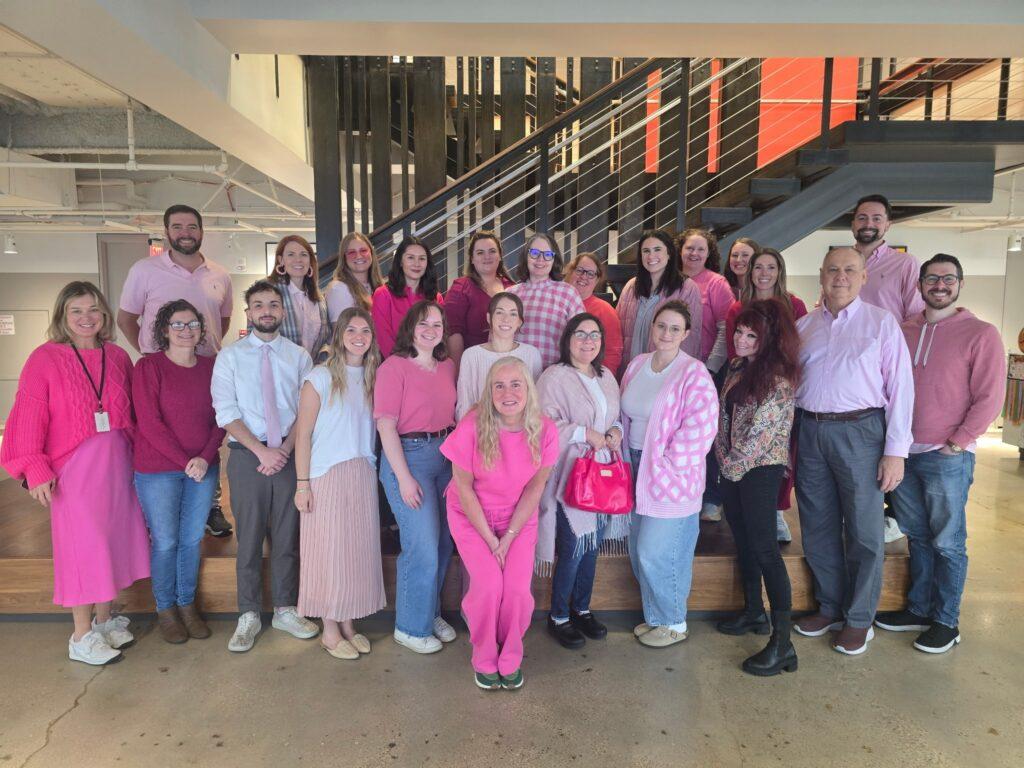
In this year’s firm-wide survey, HBG saw its three largest increases in engagement scores in:
- Employee well-being
- Meaningfulness of work
- Work-life balance
These gains reflect a focused and intentional effort to strengthen our internal culture — ensuring that as our portfolio of transformative hospitality and gaming projects grows, so does the experience of the people designing them.
A Culture Built with Intention
“Being recognized in the top tier of workplaces in Memphis is right where we want to be — where everything we do internally communicates the HBG experience: meaningful work on projects that create impact, work that aligns with our employees’ values, providing an enriching employee experience that prioritizes well-being, inclusiveness, and engagement, and creating a place where the work-life and home-life of our employees generate the kind of balance that energizes and galvanizes every single day,” said Nathan Peak, HBG Design's President.
What Our Team Says
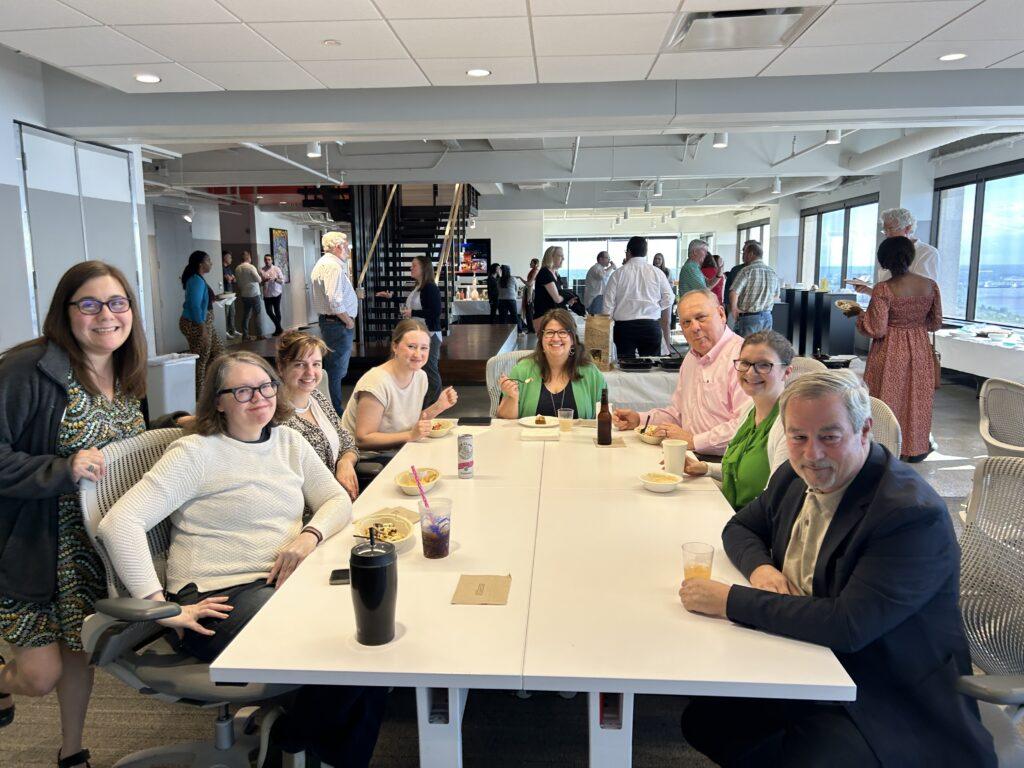
The true measure of a Top Workplace is the voice of its people. This year’s survey responses reflect a culture defined by growth, trust, and innovation:
- “It’s a forward-thinking company.”
- “HBG excels in pairing employees’ passions with their strengths, enabling us to craft a career uniquely tailored to our gifts.”
- “We are a growing and dynamic firm that is achieving a lot of success.”
- “I appreciate the design innovation within projects and the trust and responsibility awarded to employees.”
- “What makes us such a great firm is the dedication to professional growth of staff and genuine commitment to work-life balance.”
- “Leadership is listening to our employees’ concerns and focusing on solutions.”
- “Culture is a priority. There is great collaboration and trust across team members. I feel empowered and fully engaged.”
Designing Impact — Inside and Out
For HBG Design, workplace culture is not separate from design excellence — it fuels it. The same intentionality we bring to shaping immersive hospitality and gaming destinations is applied internally to building a workplace where people thrive.
Twelve years as a Top Workplace is more than a milestone. It’s a reflection of who we are — and a commitment to continuing to evolve, listen, and lead with purpose.
We are grateful to our team for making HBG Design a place where great design — and great careers — are built.
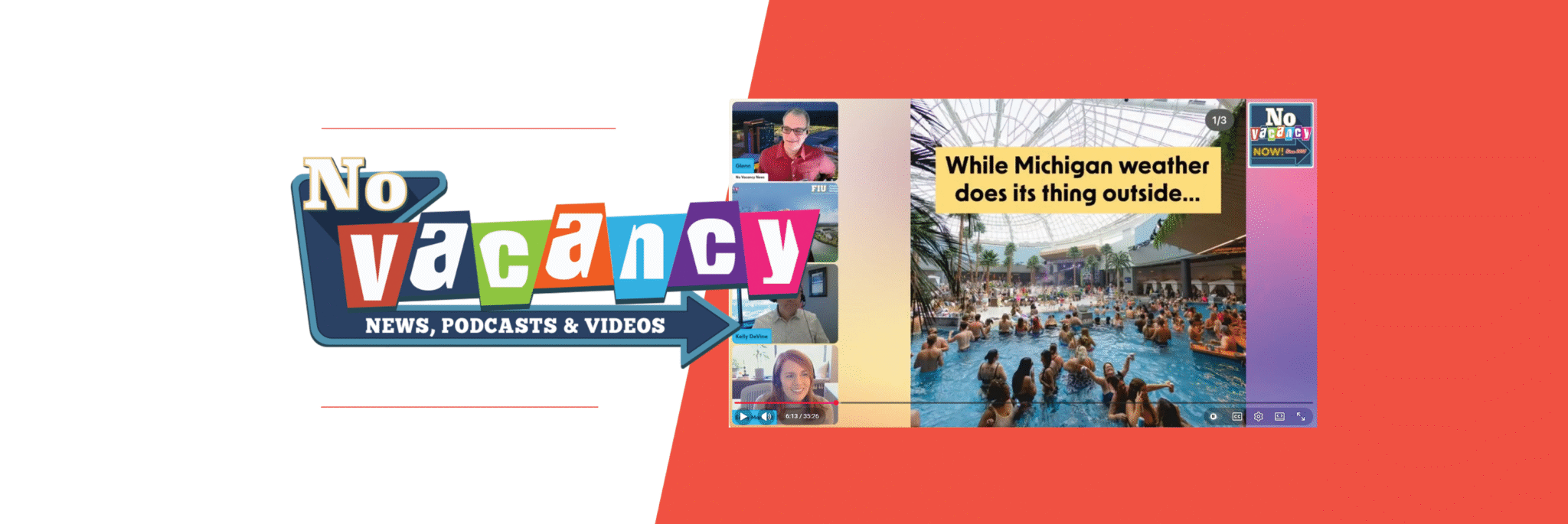
HBG Design Featured on No Vacancy: Why Casino Resorts Now Compete Like Destination Hotels
Regional casino resorts have evolved—and today’s most successful properties are no longer competing solely on gaming floors or square footage. They are competing as full-scale destination hotels, designed to extend stays, increase spend, and drive repeat visitation.
That shift is the focus of a recent episode of the No Vacancy podcast, hosted by Glenn Haussman with guest co-host Dr. Suzanne Bagnera, featuring HBG Design leaders Kelly DeVine, Principal, and Emily Marshall, NCIDQ, NEWH, IIDA, Principal and Interior Design Leader.
In the episode, Kelly and Emily discuss how design, operations, and profitability are inseparable in modern regional casino resorts—and why performance-driven design must start long before finishes and aesthetics are considered.
From Regional Casino to Destination Resort
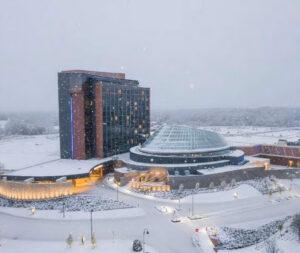 Using Gun Lake Casino Resort in Michigan as a case study, the conversation explores how regional gaming properties now compete with Las Vegas–style destination resorts. Guests expect more than gaming alone: hospitality, dining, entertainment, and thoughtfully designed hotel experiences all play a role in attracting longer stays and repeat visits.
Kelly and Emily emphasize that this evolution requires a fundamental shift in how projects are approached—one that prioritizes operational strategy and guest behavior from day one.
 Designing for Gaming Performance
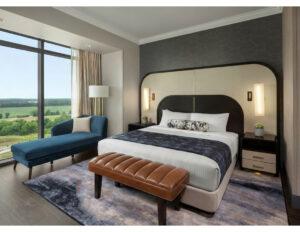 Designing for Gaming Performance
One of the key insights from the episode is how hotel design directly influences gaming behavior. Guest rooms must strike a careful balance: they should feel comfortable and welcoming, but not so indulgent that guests disengage from the casino floor and resort amenities.
This intentional approach ensures that the hotel supports—not competes with—the core gaming experience, reinforcing the overall business model of the resort.
Operations First: The Engine Behind the Experience
At HBG Design, successful casino resorts begin with operations. Kelly and Emily discuss why elements such as:
- Housekeeping flow and back-of-house efficiency
- Durability and material selection
- Turnover time and maintenance realities
are often more critical to long-term performance than purely visual considerations.
By designing the “engine” before the exterior experience, properties are better positioned to operate efficiently, control costs, and deliver consistent guest satisfaction over time.
Programming Spaces for Repeat Visitation
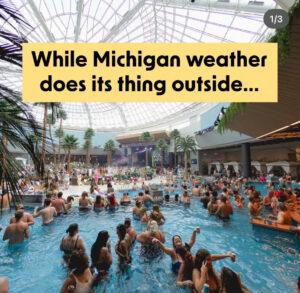 Programming Spaces for Repeat Visitation
Beyond the hotel and gaming floor, the episode highlights the importance of programming spaces that keep guests coming back—especially local and regional visitors. Flexible entertainment venues, food and beverage offerings, and social spaces all contribute to building loyalty and extending engagement beyond a single visit.
Design as a Business Tool
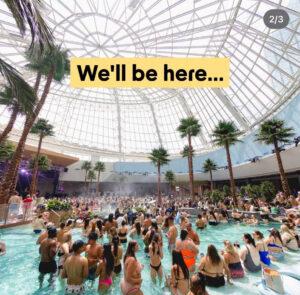 Ultimately, the conversation reinforces a core HBG Design philosophy: design is not a vanity exercise—it is a business tool. When design decisions are grounded in operations, guest behavior, and measurable outcomes, they can directly support revenue growth and long-term success.
We’re proud to see Kelly DeVine and Emily Marshall share their expertise on No Vacancy and contribute to an industry-wide conversation about performance-driven design in today’s casino resorts.
Listen to the full episode of No Vacancy: Episode 1009 – Why Casino Resorts Now Compete Like Destination Hotels to hear the complete discussion and insights.
Designing a Better Stay: Golden Mesa’s Guestrooms Set a New Hospitality Standard
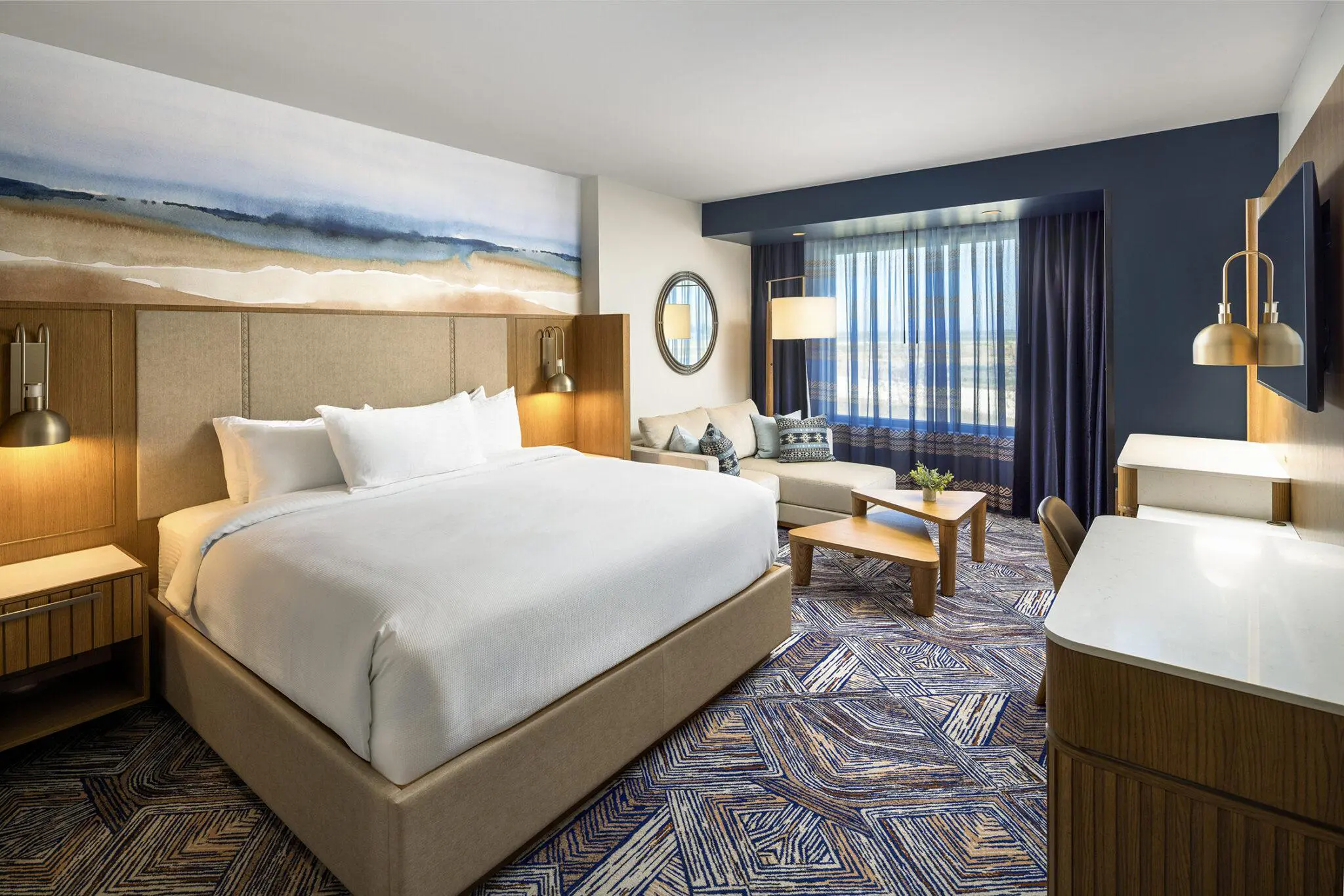
At Golden Mesa Casino & Hotel, the guestrooms and suites were intentionally designed to do more than provide overnight accommodations—they were conceived as a strategic extension of the resort experience, supporting guest satisfaction, brand perception, and long-term value. For hospitality operators, these spaces demonstrate how thoughtful interior design can directly enhance a property’s competitiveness within its market.
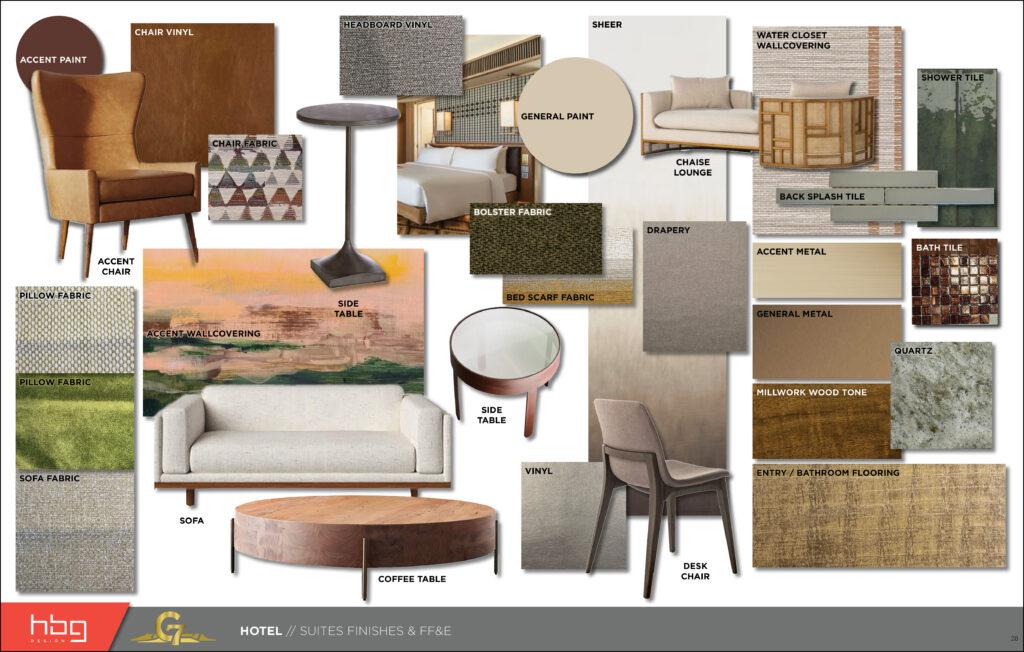 As part of the $78 million expansion, HBG Design approached the hotel tower with a clear objective: deliver guestrooms that feel warm, contemporary, and rooted in place, while aligning with the expectations of today’s resort guest. The result is a collection of rooms and suites that elevate comfort and atmosphere without unnecessary complexity—raising the design standard for hospitality in Oklahoma’s Panhandle.
A Cohesive Design Strategy from Arrival to Guestroom
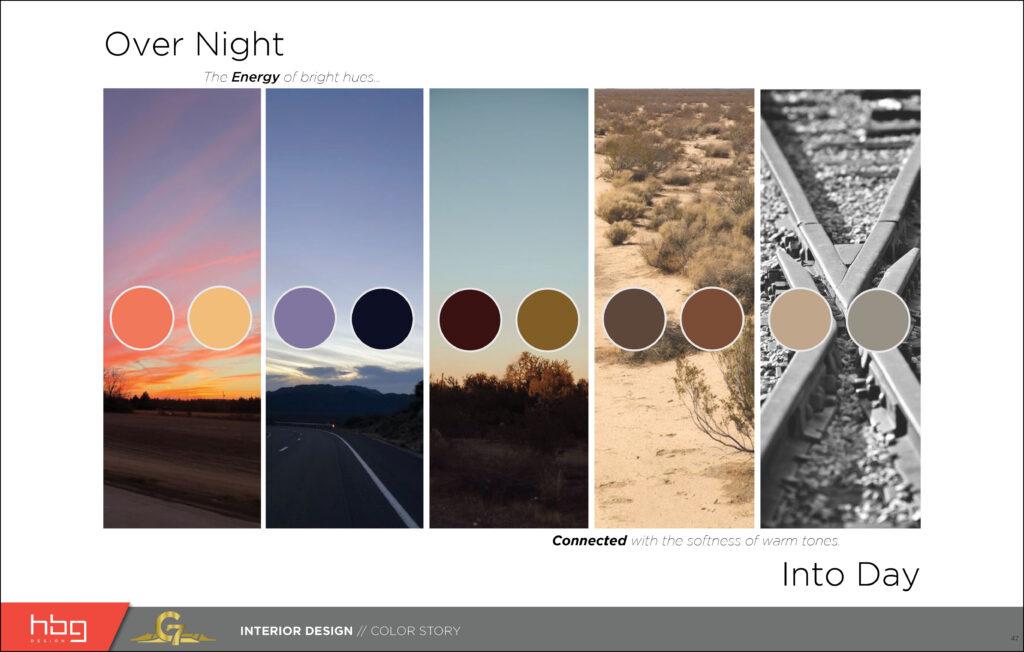
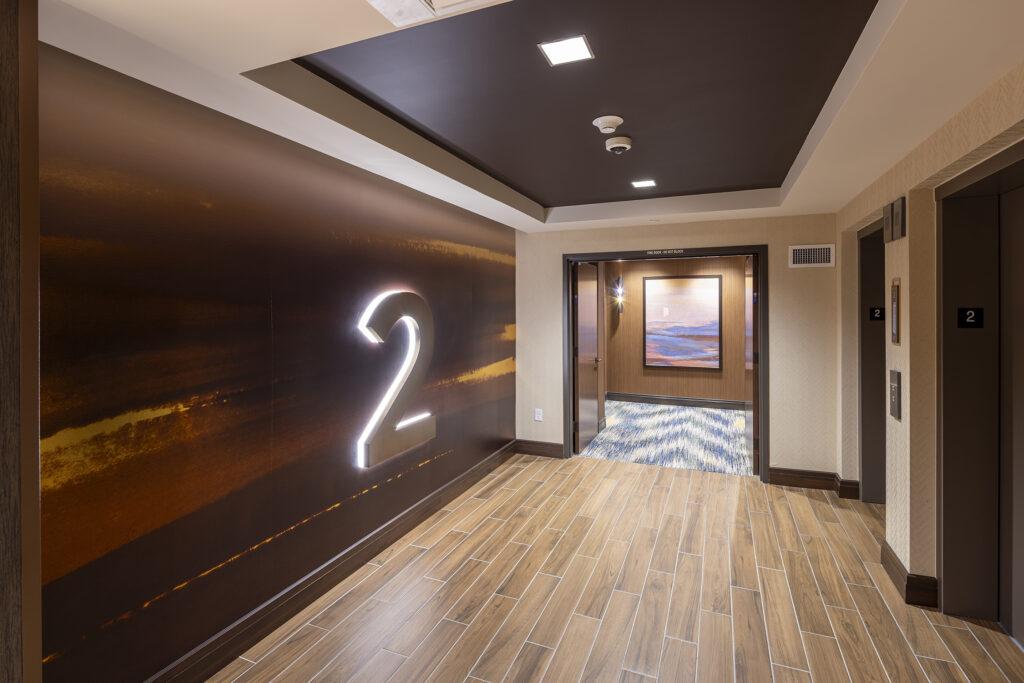
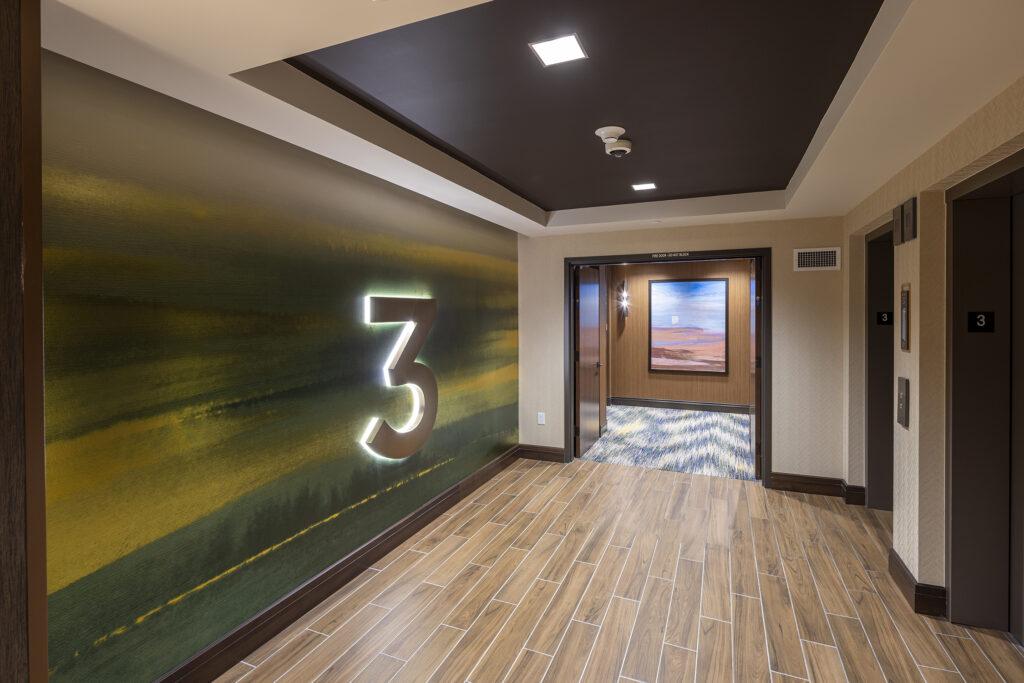
The guest experience begins well before the room door opens. Elevator lobbies introduce a subtle dusk-to-dawn progression through shifting wallcovering tones, guiding guests vertically through the tower and reinforcing a sense of journey and arrival. Guestroom corridors continue this narrative with ambient lighting and a warm, textural palette—setting a calm, welcoming tone that supports guest satisfaction and wayfinding.
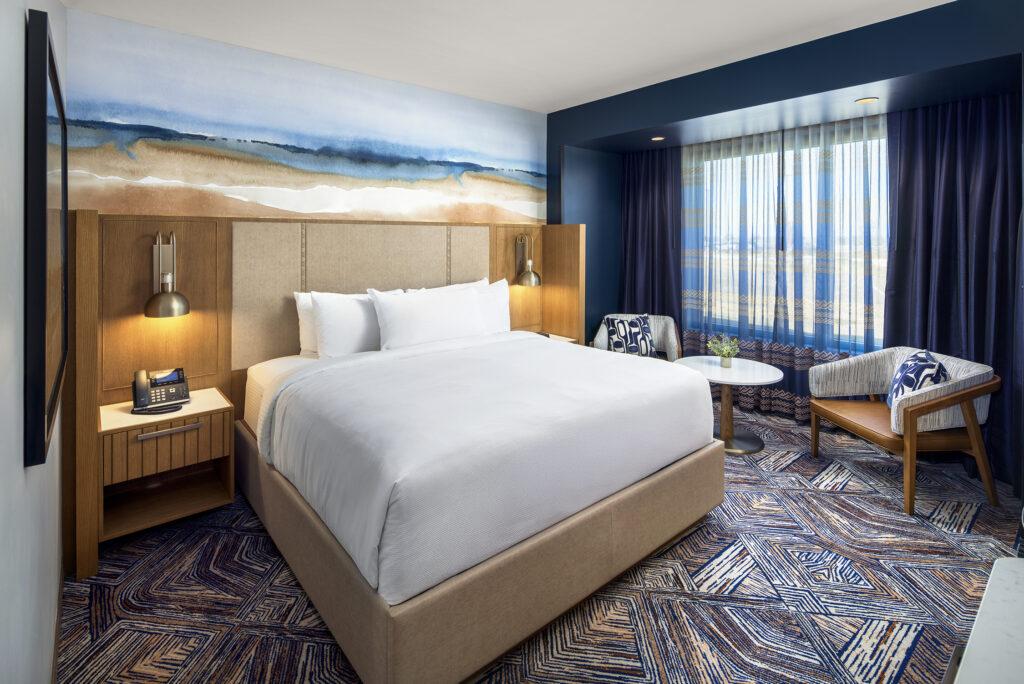
Inside the guestrooms, natural materials and a disciplined color strategy establish an immediate sense of comfort. Warm white oak millwork anchors the space, delivering durability, longevity, and a residential feel that resonates with today’s travelers. Custom headboard assemblies integrate upholstered panels and built-in reading lights, reducing visual clutter while enhancing functionality and ease of use.
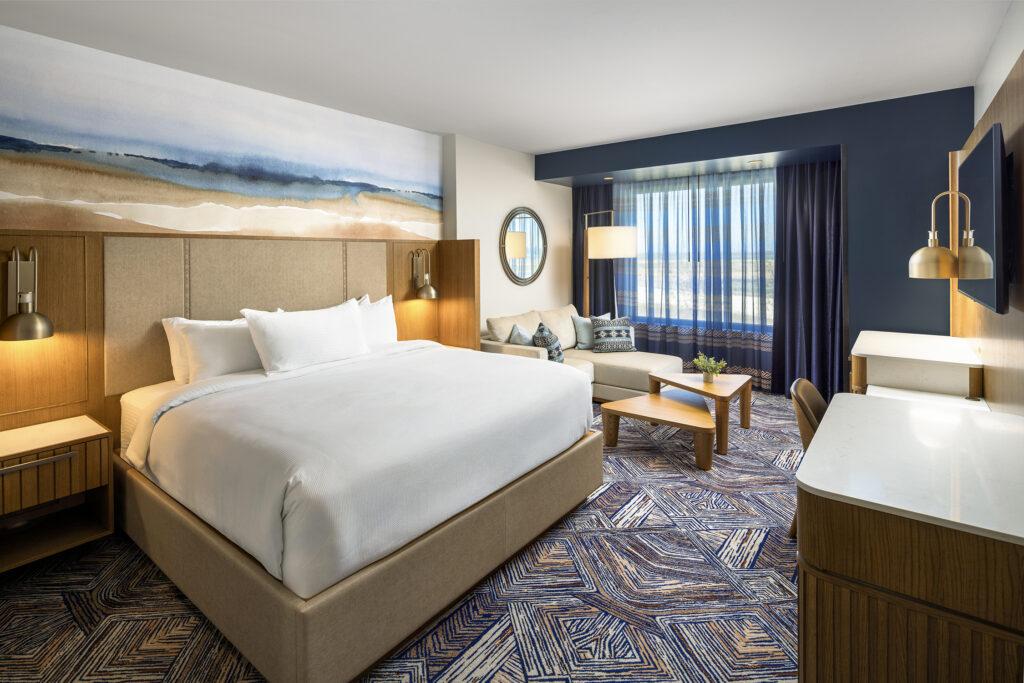
Above the bed, landscape-inspired artwork reflects the open skies and sunlit plains of the Panhandle through layered blues, soft whites, and sandy neutrals. Rather than literal theming, these elements provide a sense of place that feels authentic and timeless—supporting brand identity without limiting future adaptability.
“We focused on creating depth and contrast rather than relying on expensive gestures. By layering rich, saturated colors against warm wood tones and soft neutrals, we created guestrooms that feel calm, refined, and highly livable—spaces that elevate the guest experience while remaining efficient to build and maintain.”
— Chris Wood, Lead Interior Designer
Accent walls in deep, atmospheric blue tones add contrast and visual interest, framing seating areas and window views while giving the rooms a stronger sense of identity. Layered window treatments—sheer panels paired with blackout drapery—offer guests control over light, privacy, and comfort, a critical expectation in resort and casino hospitality.
Custom-designed carpet introduces subtle movement through geometric patterns inspired by the surrounding landscape. The pattern adds energy and durability while visually tying the room together—an important consideration for high-traffic hospitality environments.
Lighting Designed for Comfort, Efficiency, and Atmosphere
Lighting was treated as a foundational design tool rather than a finishing layer. Integrated bedside sconces provide focused task lighting, while ambient and accent illumination shape the overall mood of the room. This layered approach supports both relaxation and functionality, allowing guestrooms to transition seamlessly from daytime retreat to evening sanctuary—enhancing guest comfort while supporting operational efficiency.
Suites Designed to Deliver Premium Value
Golden Mesa’s suites—offered in 1.5- and 2-bay configurations—were designed to meet the needs of longer stays, VIP guests, and premium players, while maintaining a strong sense of cohesion with the standard guestrooms.
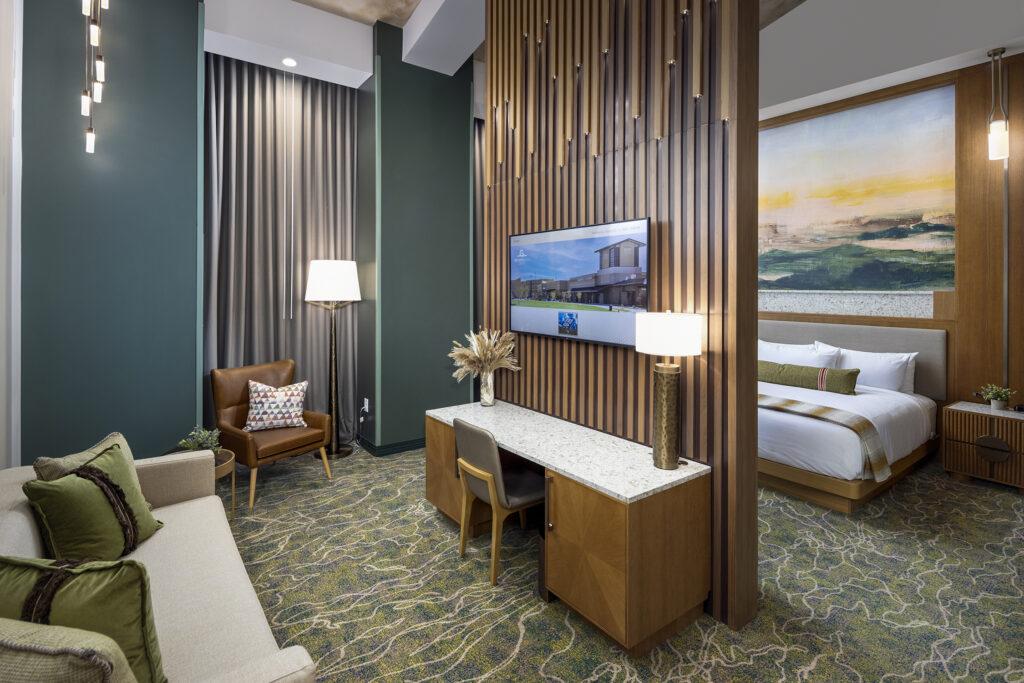 A defining feature is the solid white oak slat feature wall, which creates separation between living and sleeping zones without sacrificing openness. Integrated twinkle light detailing adds a refined, hospitality-forward moment—introducing visual interest, warmth, and a sense of occasion that elevates the suite experience without adding operational complexity.
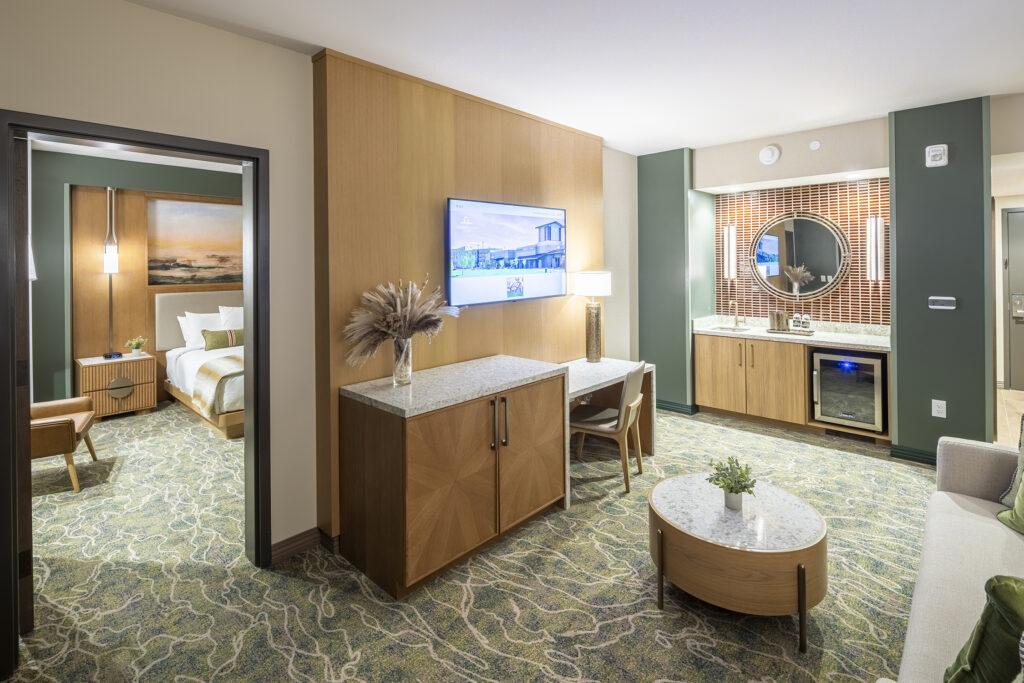 The suites introduce a deeper, more grounded color palette, with rich green walls that create a residential, intimate atmosphere. These tones are balanced by warm wood finishes, textured ceiling treatments, and tailored furnishings—enhancing the perception of value while maintaining a welcoming, approachable feel.
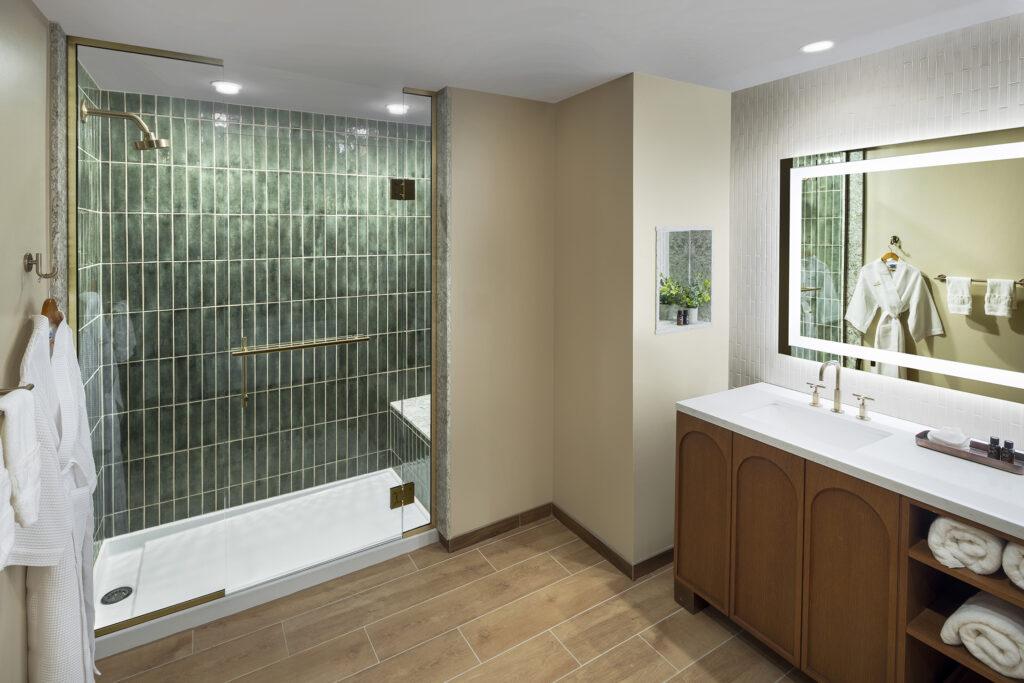 Custom millwork desks with stone-look surfaces provide flexible functionality for work or leisure, while curated lighting and accessories elevate the space beyond a typical hotel suite. In the bedroom, large-scale artwork continues the landscape narrative, reinforcing a consistent design story throughout the tower.
An organic-patterned carpet flows through the suite, visually connecting zones and reinforcing the natural inspiration behind the design—while offering durability and ease of maintenance for long-term operations.
Strengthening the Resort Through Guestroom Design
By investing in elevated guestrooms and suites, Golden Mesa Casino & Hotel strengthens the entire resort ecosystem. The hotel tower provides a refined counterbalance to the energy of the casino floor and entertainment venues, supporting longer stays, repeat visitation, and a broader guest demographic.
For hospitality clients, Golden Mesa demonstrates how strategic interior design—focused on materiality, lighting, durability, and sense of place—can enhance guest satisfaction, reinforce brand identity, and deliver long-term value. These guestrooms are not simply places to sleep; they are a critical component of the resort’s overall performance and positioning as a destination.
Guestroom and Suite Vendor List:
-
Casegoods: Custom white oak casegoods
Manufacturer: Distinction Hospitality -
Carpet: Custom-designed carpet
Manufacturer: Brintons -
Elevator Lobby Accent Wallcoverings: Textured wallcoverings
Manufacturer: Momentum Textiles & Wallcovering -
Guestroom Headboard Wallcovering: Custom wallcovering
Manufacturer: Astek -
Sheer Window Treatments: Custom tribal-pattern sheers
Manufacturer: Momentum Textiles & Wallcovering -
Guestroom Lighting: Decorative and architectural lighting
Manufacturers: Trinity Lighting and Laspec -
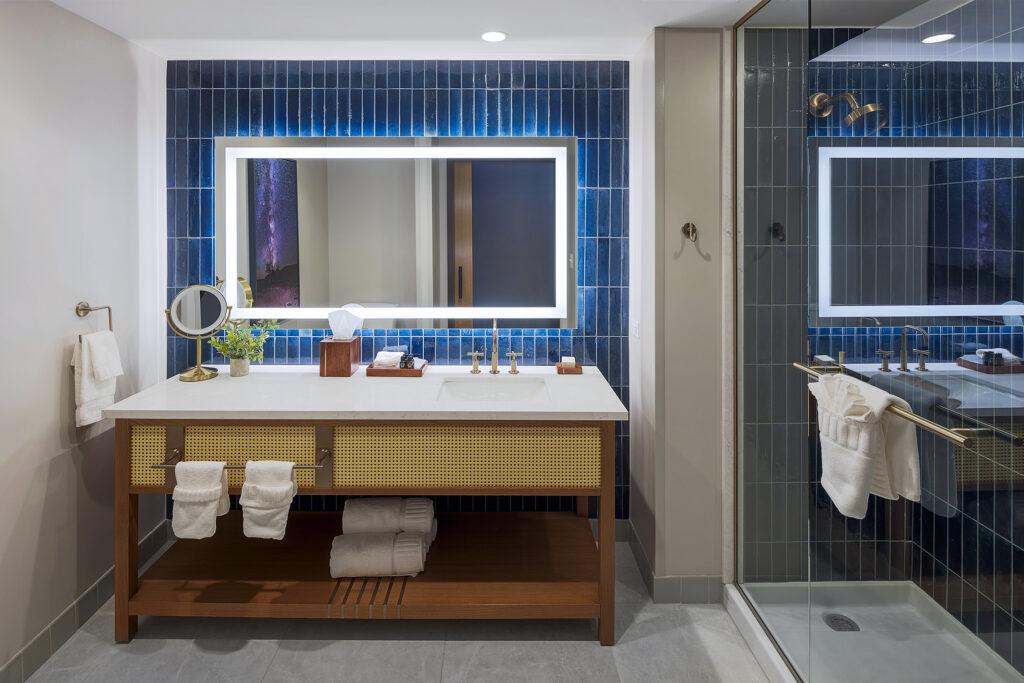
Illuminated Mirrors & Backlit Artwork:
Manufacturer: Spacia
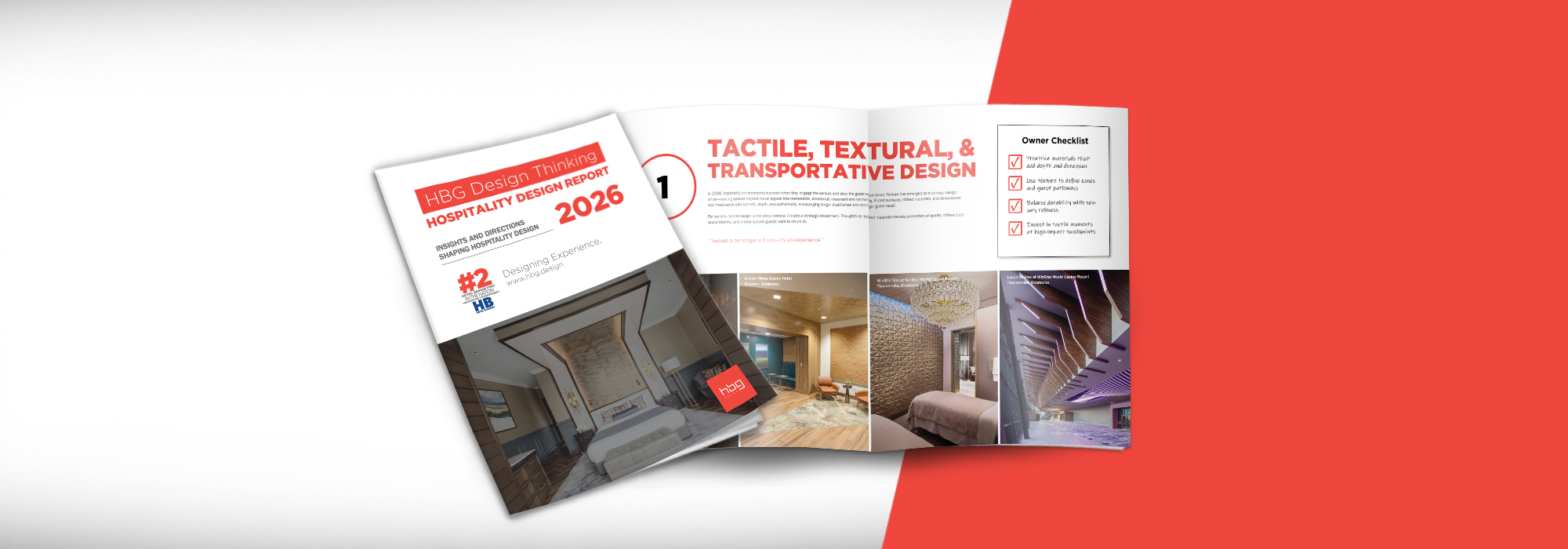
HBG Design Thinking: Hospitality Design Report
In 2026, hospitality design is all about creating immersive, memorable experiences that resonate with guests long after they leave. From boutique hotels to large-scale resorts and entertainment destinations, the bar for innovation has never been higher. HBG Design, ranked #2 Hospitality and Entertainment Design Firm in the U.S., by Hotel Business Magazine for 2026, has decades of experience translating industry insights into transformative guest experiences. This year, our team has identified the design thinking that will define hospitality experiences and drive both engagement and operational success.
You can download the full 'HBG Design Thinking' Hospitality Design Report here.
Social Wellness: Connection as the New Currency

Wellness has evolved beyond serenity and self-care—connection is now central to well-being. Guests increasingly seek shared experiences that foster community and engagement. HBG clients are already ahead of this curve, with co-ed hydrothermal lounges at WinStar Spa and hydrotherapy pools at MnoYé Spa at Gun Lake Resort. These spaces blend luxury, functionality, and social interaction, transforming wellness into a destination activity rather than a solitary experience.
Open Edge Environments
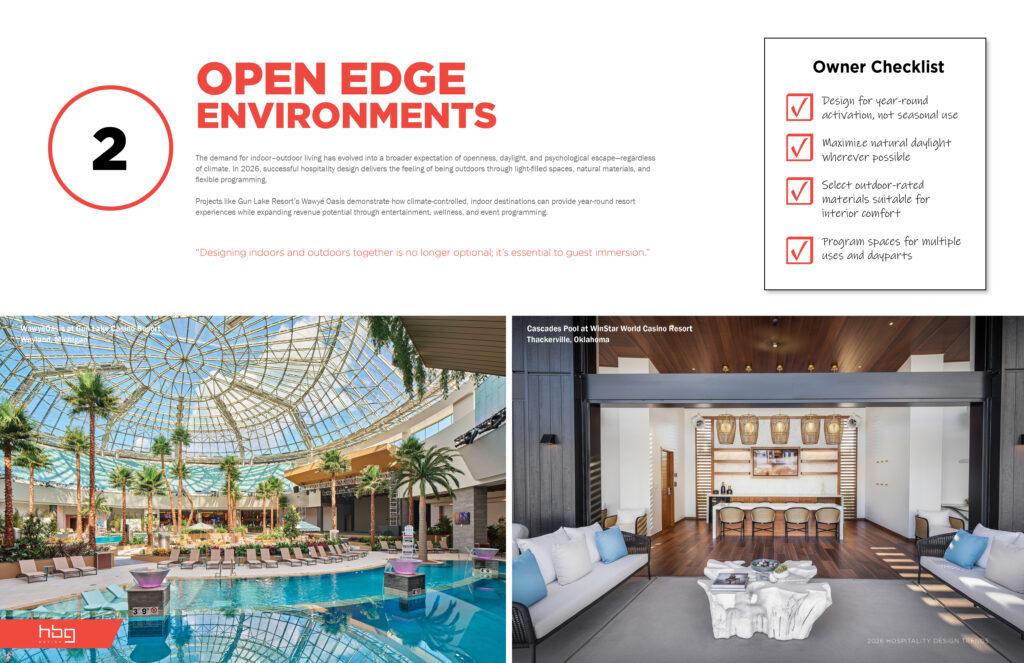 Seamless indoor–outdoor environments are no longer just a coastal luxury—they’re expected year-round, everywhere. The Wawyé Oasis at Gun Lake Resort exemplifies this trend, featuring a six-story glass dome that creates a tropical, light-filled escape in Wayland, Michigan. Guests enjoy the sensation of being outdoors while designers control climate, programming, and operational flexibility, proving that immersive environments drive engagement and revenue alike.
Maximalism with Meaning
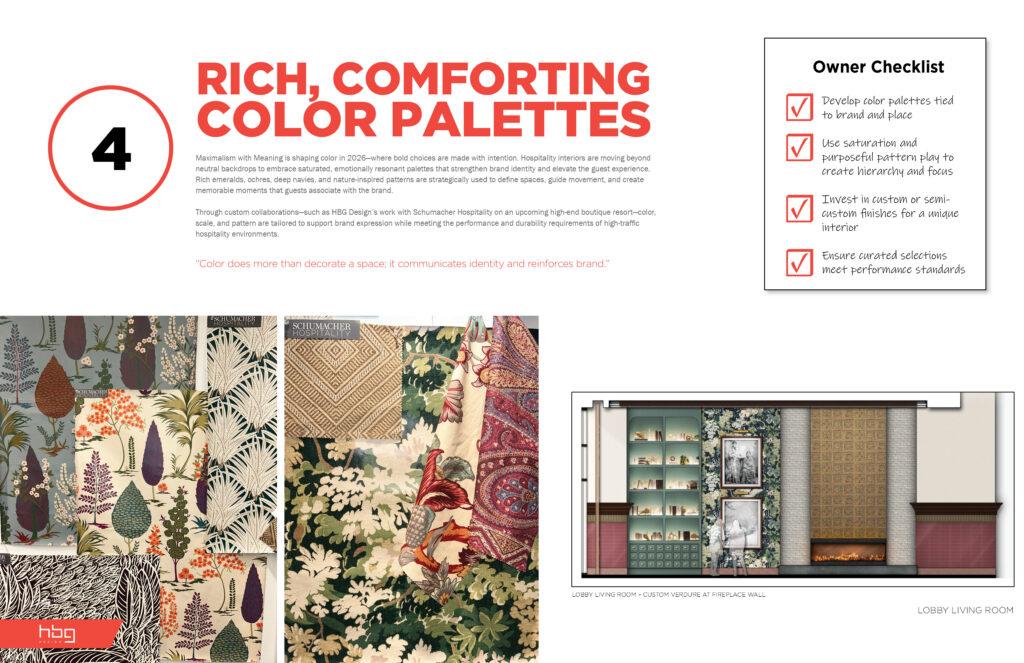 Color and material storytelling are taking center stage. For an upcoming boutique resort lobby, HBG Design collaborated with Schumacher Hospitality to transform iconic residential patterns into hospitality-grade fabrics and wallcoverings. Custom applications—from vibrant lobby wallcoverings to rooftop restaurant fabrics—combine durability with artistry, craft, and narrative inspiration drawn from the surrounding woodland landscapes and local industrial heritage.
Ready to explore all six trends in detail?
Download the full 'HBG Design Thinking' Hospitality Design Report to see more quotes, actionable owner checklists, and client case studies that bring these insights to life.
