Collaborative Art: Telling the Gun Lake Tribal Community's Story
 By Emily Marshall, NCIDQ, Interior Design Director, HBG Design
When people think about hospitality design, they often think about beautiful interiors, luxurious finishes, or memorable guest experiences. While those elements are certainly important, the projects that stay with me long after they're complete are the ones that become something more.
The new Community Block Wall at Gun Lake Casino Resort is one of those projects.
As Lead Interior Designer for the Gun Lake Resort expansion, I had the privilege of working alongside the Gun Lake Tribe throughout the design of the resort's public spaces. From the beginning, our goal was to create an environment that felt distinctly connected to the art and culture of the Match-E-Be-Nash-She-Wish Band of Pottawatomi Indians. Every material, pattern, artwork, and story was considered as part of that larger vision.
But one opportunity stood apart.
Not simply creating a place that tells the Tribe's story—but creating a place where the Tribe could tell its own story.
More Than an Art Installation
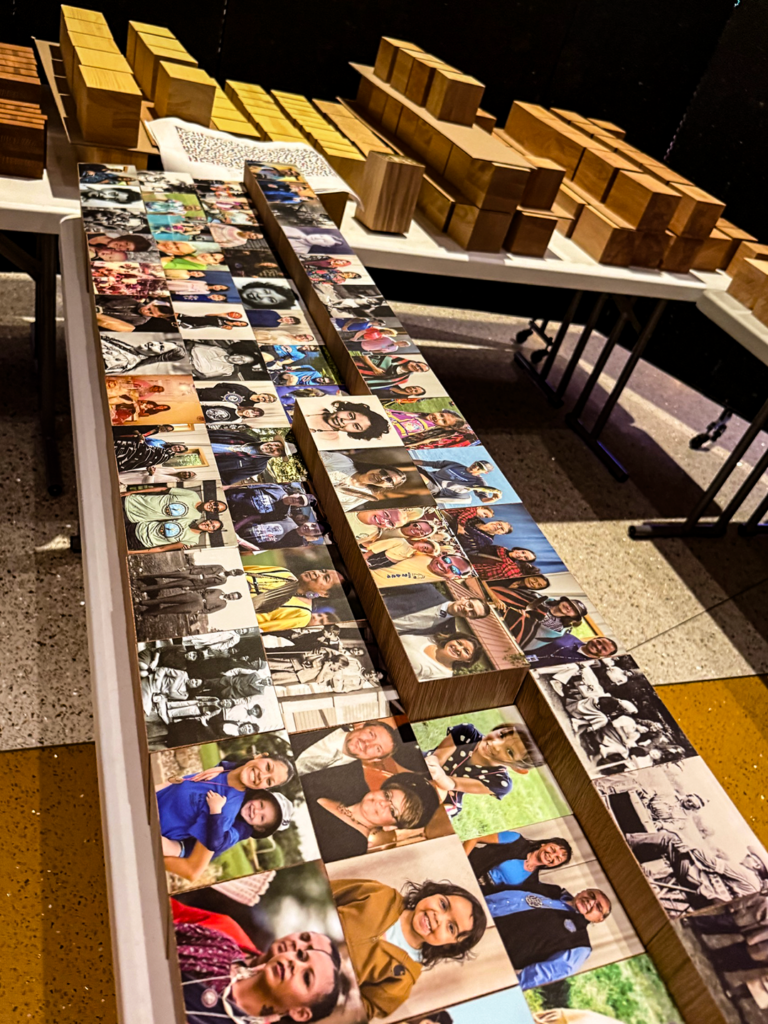 Working closely with the Gun Lake Tribe's Tribal Historic Preservation Office and Citizen & Community Experience teams, HBG Design helped develop the concept for what would become the Community Block Wall.
Rather than commissioning a single artist to create a finished piece, the vision became something much more personal.
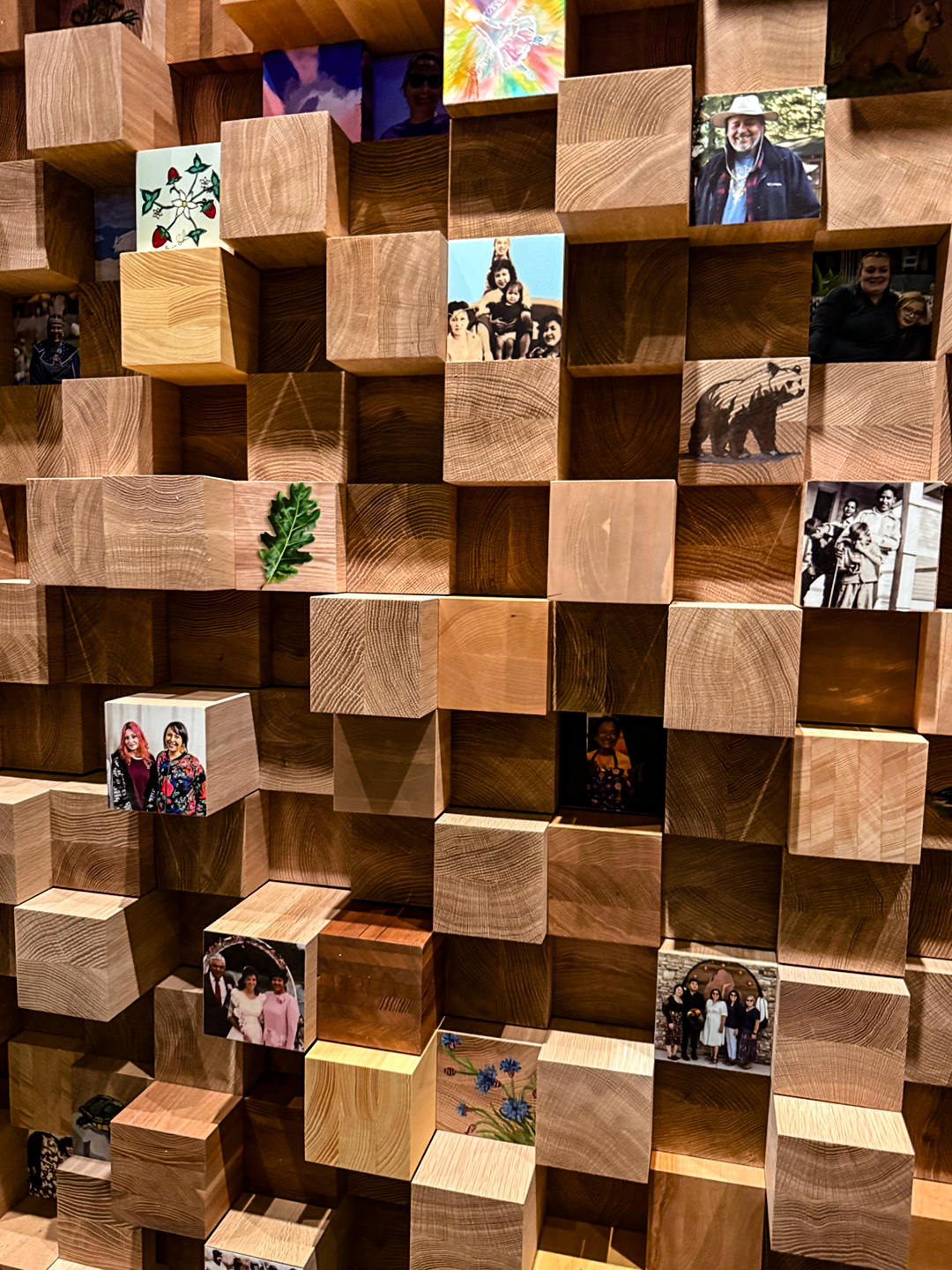
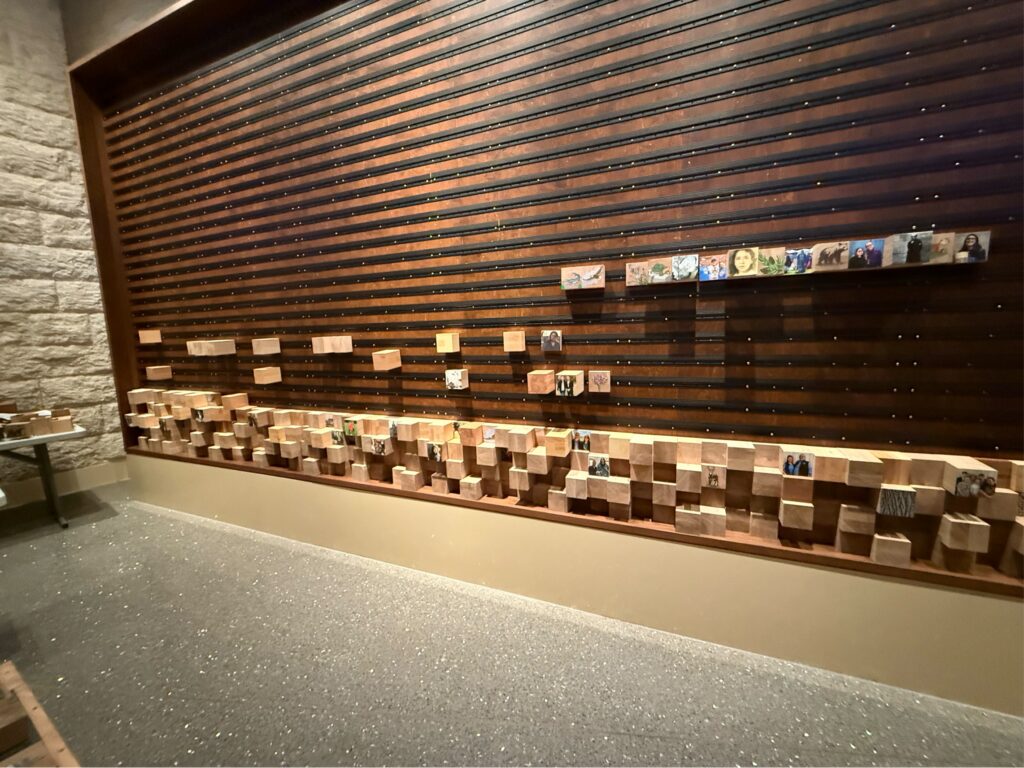
Each handcrafted block represents a member of the Tribal community. Together they showcase photographs, artwork, meaningful imagery, and personal expressions contributed by Tribal citizens themselves. As individual pieces come together, they create a larger story—one that continues to grow with every new contribution.
It's a living work of art.
Unlike a traditional installation that remains unchanged over time, this wall is designed to evolve alongside the community it represents. New generations will continue adding their own stories, ensuring that the artwork remains as dynamic as the Tribe itself.
Designing for Community Participation
One of the greatest privileges of this project was helping design something that invited participation instead of simply observation.
Hospitality spaces often feature beautiful artwork that guests admire as they move through a lobby. This project encourages something different.
It creates moments of conversation.
Moments of recognition.
Moments where Tribal members can point to a block and say, "That's my family's story."
Those moments transform a space from simply being beautiful into being deeply meaningful.
The Power of Collaboration
Projects like this only happen through genuine collaboration.
The Community Block Wall reflects the vision, dedication, and cultural stewardship of the Gun Lake Tribe, particularly the Tribal Historic Preservation Office's Archives & Collections Program, whose mission is to preserve and share the rich history and traditions of the Pottawatomi people.
HBG Design's role was not to tell that story for the Tribe.
It was to help create the framework where those stories could be shared authentically.
A Living Legacy
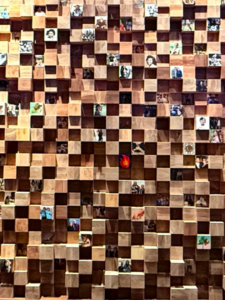
Seeing the Community Block Wall unveiled in the Gun Lake Resort lobby was an incredibly rewarding moment—not because a design was complete, but because a new tradition was beginning.
Years from now, more blocks will be added.
More stories will be shared.
Children will grow up seeing their families represented alongside generations before them.
Visitors will experience not only an extraordinary resort, but also a living expression of the community that calls this place home.
As designers, we hope every project creates a lasting impression.
This one has the opportunity to create something even more meaningful: a lasting legacy.
At HBG Design, we believe the most impactful hospitality environments are those that reflect the people, history, and culture of the communities they serve. The Community Block Wall at Gun Lake Resort stands as a testament to the power of collaboration, storytelling, and design that invites people to become part of the experience.

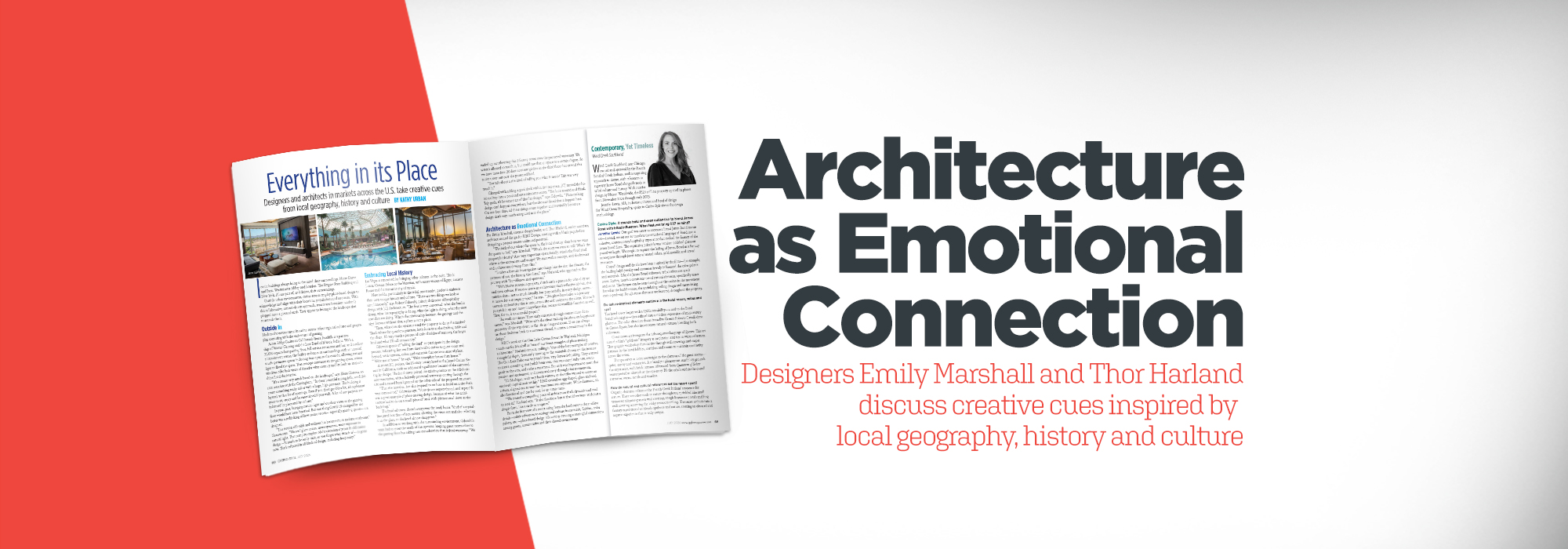
Emily Marshall & Thor Harland on Placemaking, Contextual Design
Designers and architects in markets across the U.S. take creative cues from local geography, history and culture.
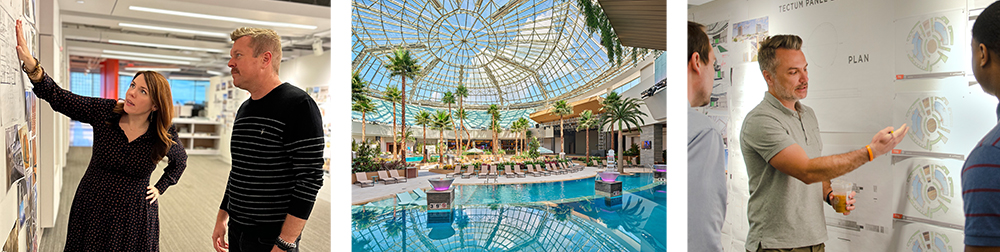 For Emily Marshall, interior design leader, and Thor Harland, senior associate, architecture and design for HBG Design, starting with a blank page before designing a project creates unlimited potential.
“We think about where the space is, the local identity, then how we want the guests to feel,” says Marshall. “What’s the story we want to tell? What’s the property’s identity? Also very important operationally, what’s the flow? And where is the excitement and escape? We start with a concept, and the interior and architecture develop from that.”
“It takes a forensic investigation into things like the site, the climate, the patterns of use, the history, the client,” says Harland, who approaches that journey with “humbleness and openness.”
Placemaking in Tribal Casino Resort Design
“With Native American projects, there’s such a passion for who our clients are and their culture. If we can create an architecture that’s reflective of that, that mimics that—not so much literally, but purposefully, in every design move—it makes for a stronger project,” he says.
“This place-based idea is a journey towards authenticity that is unique to a site and unique to the client. You can’t just pick it up and move it anywhere else, because it wouldn’t function as well. That, for us, is a successful project.”
The work continues “from early concepts through construction documents,” says Marshall. “We’re with the client making decisions on big-picture geometry all the way down to the tile in the guest room. If we can always tie those decisions back to a common thread, it creates a consistency in the design.”
Contextual Design that Enhances Year Round Guest Experience
HBG’s work on the Gun Lake Casino Resort in Wayland, Michigan stands out for Marshall as “one of our finest examples of place-making architecture.” Harland concurs, calling it “one of the best examples of creative, thoughtful depth, from early massing to the materials chosen on the interior. The Gun Lake Tribe was very ambitious, very forward-thinking. They wanted to create something that hadn’t been seen, that was completely new, avant-garde to the area, and make a statement. For us it was important to meet that passion and excitement, and create and carry through that momentum.
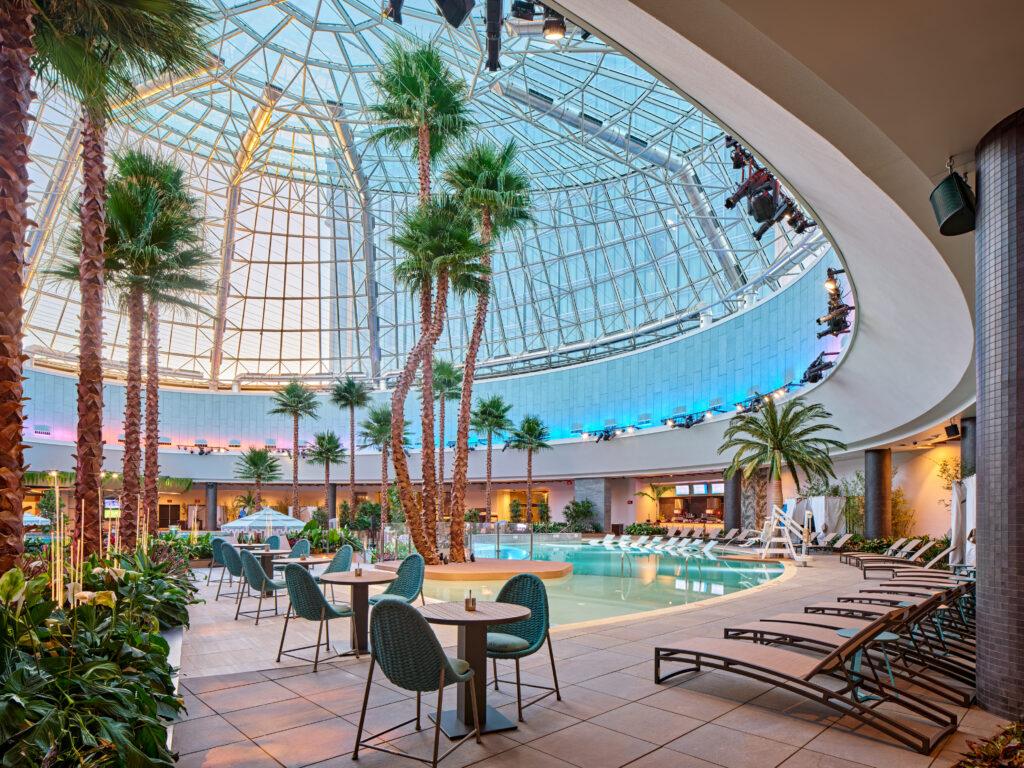
“It’s Michigan, with very harsh winters, so the tribe wanted to create an enclosed tropical oasis within.” HBG created an egg-shaped, glass-enclosed atrium, aligned east to west for maximum sun exposure. While dramatic, it’s also functional and can be used for entertainment.
“We created a compelling piece of architecture that’s dynamic and cool to look at,” Harland says. “It also functions better than if we went with just a simple form, like a circle or a square.”
From the first view of a resort rising from the landscape to the smallest details—subtle references to ecology and culture in materials, finishes, color palette, etc.—place-based design tells a story, creating meaningful connections among guests, communities and their shared environment.
Read the full feature Everything in its Place in Global Gaming Business' Casino Style Magazine to learn more about how context and regional authenticity drive casino resort design.

As Seen in Casino Style Magazine: Performance Is the Payoff
The most successful casino resorts are measured by more than their opening day excitement. They create lasting value through thoughtful planning, memorable guest experiences, operational efficiency, and measurable business performance.
Global Gaming Business’ Casino Style magazine features HBG Design in its latest issue. The article, Performance is the Payoff explores how integrated resort design drives long-term success for owners, operators, and the communities they serve.
The feature highlights the remarkable performance of Gun Lake Casino Resort's $300 million expansion, which generated a 20% increase in revenue during its first two months of operation and recently earned AAA Four Diamond status for its new hotel. It also previews the opening of Ho-Chunk Beloit Casino, a transformative destination designed to support economic growth while expanding hospitality, entertainment, and gaming opportunities for the region.
The article reflects HBG Design's approach to casino resort development—connecting long-term vision with strategic planning, market positioning, operational excellence, and immersive guest experiences. We approach every design decision with performance in mind. That includes master planning, phased expansion, architecture, interior design, and amenity programming.
As the gaming and hospitality industries continue to evolve, creating destinations that are both memorable and financially successful remains at the heart of everything we do.
Read the full feature Performance is the Payoff in Global Gaming Business' Casino Style Magazine to learn more about how design strategy drives measurable results.
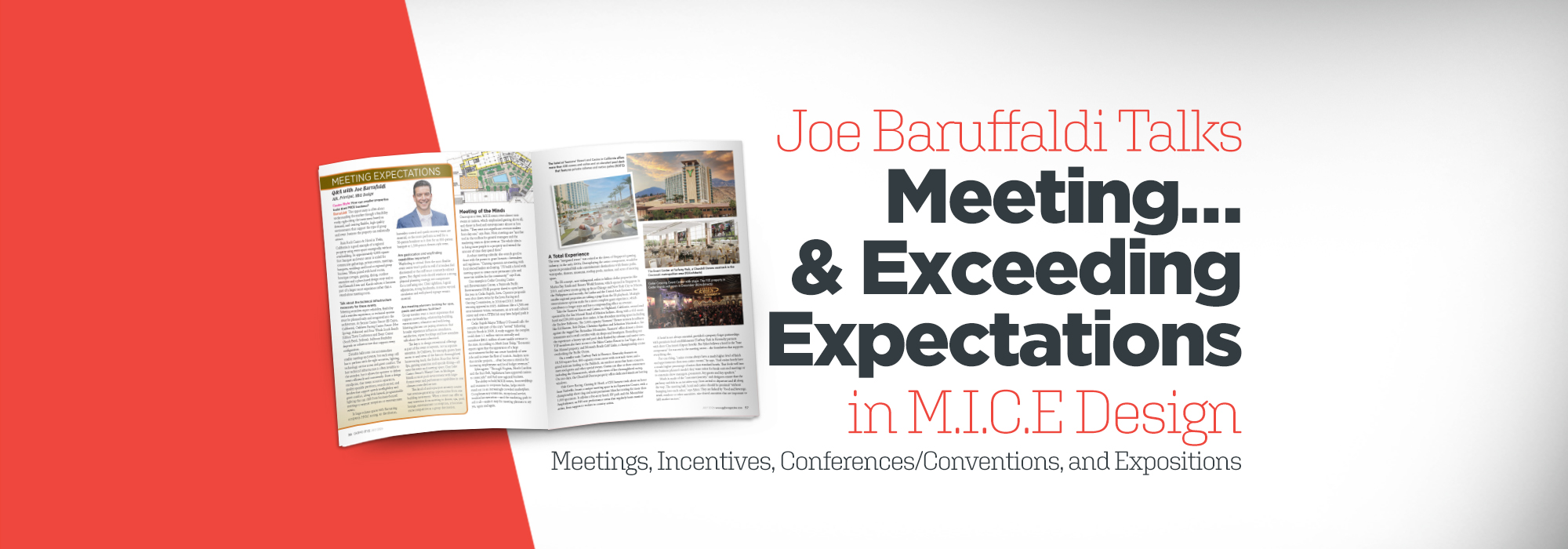
In Casino Style: Joe Baruffaldi on Regional M.I.C.E. Design
Las Vegas doesn’t have a lock on the meeting trade. Here’s how regional properties are getting their share of the MICE business.
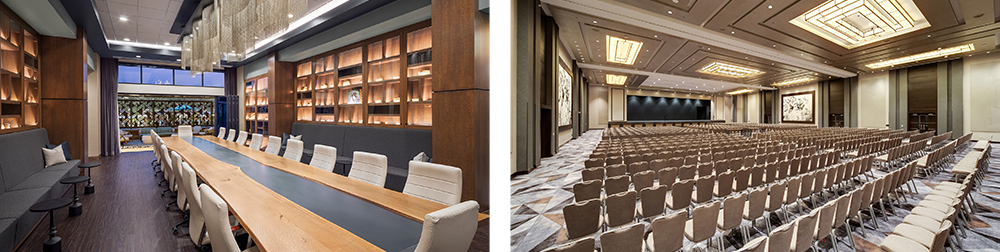
HBG Design Principal Joe Baruffaldi, AIA, on meeting...and exceeding...expectations for regional conference & event center design.
Casino Style: How can smaller properties build their MICE business?
Baruffaldi:
The opportunity is often about understanding the market through a feasibility study, right-sizing the investment based on demand, and creating flexible, high-quality environments that support the type of group and event business the property can realistically attract.
Rain Rock Casino & Hotel in Yreka, California is a good example of a regional property using event space strategically, without overbuilding. Its approximately 4,000-square-foot banquet and event center is scaled for community gatherings, private events, meetings, banquets, weddings and local or regional group business. When paired with hotel rooms, boutique cottages, gaming, dining, outdoor amenities and a place-based design story tied to the Klamath River and Karuk culture, it becomes part of a larger resort experience rather than a stand-alone meeting room.
Talk about the technical infrastructure necessary for these events.
Meeting attendees expect reliability, flexibility and a seamless experience, so technical systems must be planned early and integrated into the architecture. At Sycuan Casino Resort (El Cajon, California), Oaklawn Racing Casino Resort (Hot Springs, Arkansas) and Four Winds South Bend’s Ribbon Town Conference and Event Center (South Bend, Indiana), ballroom flexibility depends on infrastructure that supports every configuration.
Divisible ballrooms can accommodate smaller meetings and events, but each setup still has to perform with the right acoustics, lighting, technology, service access and guest comfort. The best technical infrastructure is often invisible to the attendee, but it allows the operator to deliver events efficiently and consistently. From a design standpoint, that means acoustic separation, quality operable partitions, sound control, and finishes that support speech intelligibility and guest comfort, along with layered, programmable lighting that can shift from business-focused meetings to warmer receptions or entertainment events.
In large-volume spaces with fluctuating occupancy, HVAC zoning, air distribution, humidity control and quick recovery times are essential, so the room performs as well for a 50-person breakout as it does for an 800-person banquet or 1,500-person theater-style event.
Are geolocation and wayfinding capabilities important?
Wayfinding is critical. Even the most flexible event center won’t perform well if attendees feel disoriented or the staff must constantly redirect guests.
But digital tools should reinforce a strong physical planning strategy, not compensate for a confusing one. Clear sightlines, logical adjacencies, strong landmarks, intuitive vertical circulation and well-placed signage remain essential.
Are meeting planners looking for spas, pools and wellness facilities?
Group travelers want a resort experience that supports networking, relationship-building, entertainment, relaxation and well-being. Meeting planners are paying attention: that broader experience influences attendance, satisfaction, repeat bookings and how attendees talk about the event afterward.
The key is to design recreational offerings as part of the event ecosystem, not as separate amenities. At Oaklawn, for example, guests have access to and views of the historic thoroughbred horse-racing track, the Forbes Four-Star Astral Spa, gaming amenities and upscale dining—all near the event and meeting space. Gun Lake Casino Resort’s Wawyé Oasis in Michigan blends a resort pool environment with large-format event and performance capabilities in one climate-controlled atrium.
This kind of multi-purpose amenity creates vast revenue-generating opportunities from one building investment. When a resort can offer an easy transition from meeting to dinner, spa, pool, lounge, entertainment or reception, it becomes more competitive as a group destination.
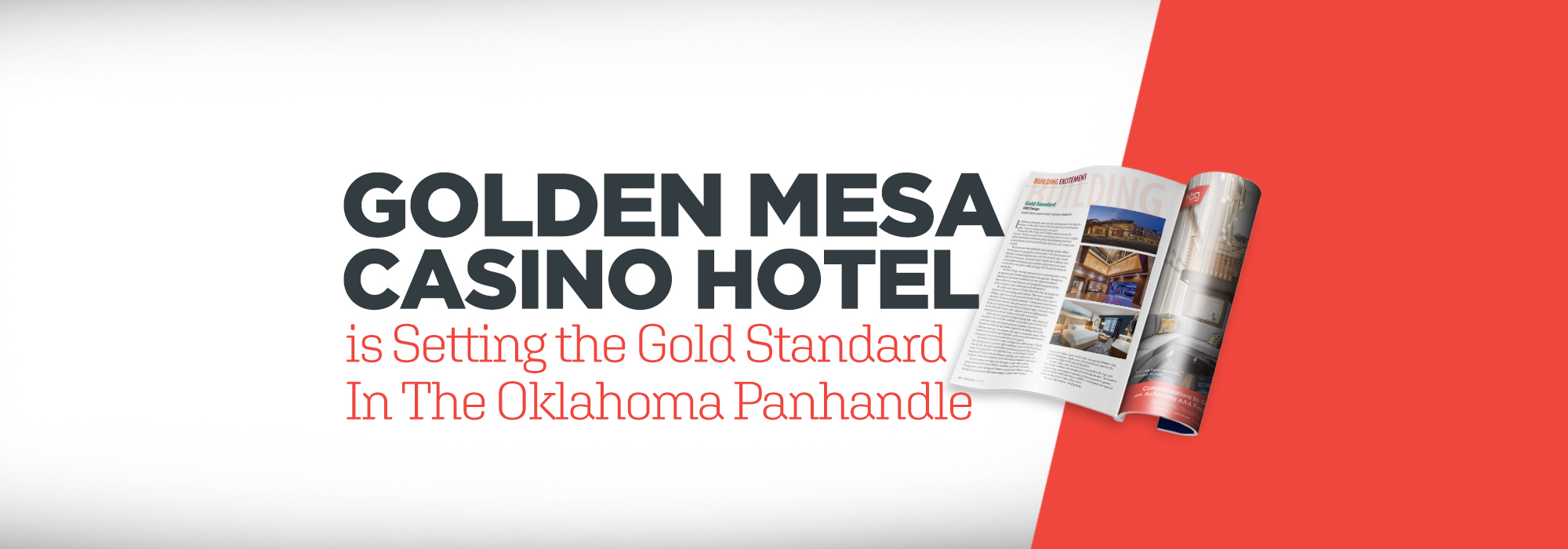
Golden Mesa Shines as Casino Style’s Gold Standard
Golden Mesa Casino & Hotel has been featured in the latest issue of Casino Style magazine, showcasing HBG Design's transformation of the Guymon, Oklahoma property into a vibrant regional gaming and hospitality destination.
Gold Standard highlights how the HBG Design team's strategic planning, regionally inspired architecture, and immersive interior design came together to create a resort experience that is both visually distinctive and operationally successful.
Elevating the Guest Experience
 Elevating the Guest Experience
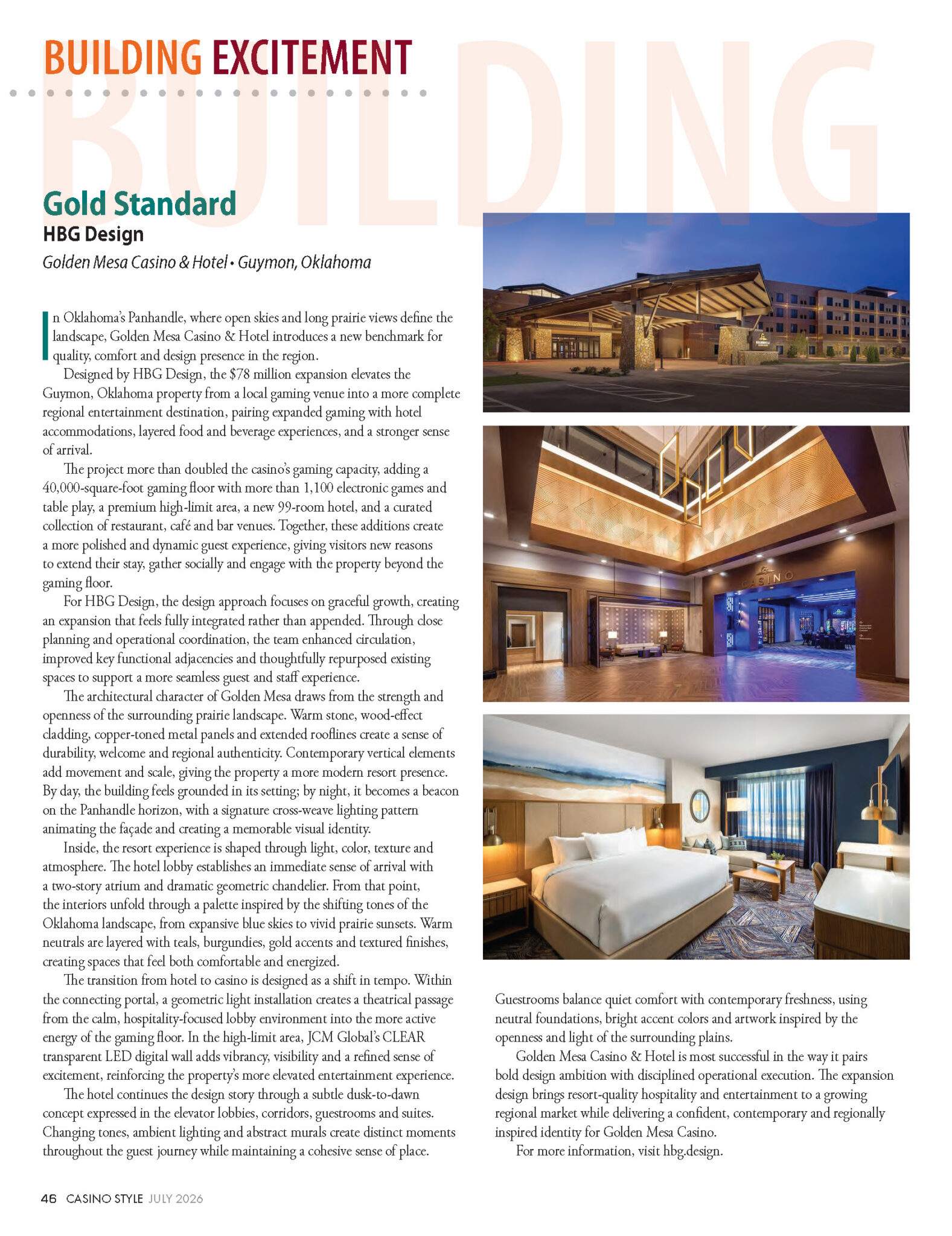
The $78 million expansion transformed Golden Mesa from a local gaming venue into a full-service destination, more than doubling the property's gaming capacity while introducing new hospitality, dining, and entertainment amenities designed to encourage longer stays and deeper guest engagement.
The completed expansion includes:
A 40,000-square-foot expanded casino
More than 1,100 electronic gaming machines and table games
A new 99-room hotel
Premium high-limit gaming
Multiple restaurants, cafés, bars, and lounge experiences
Together, these additions create a more dynamic destination that offers guests far more than gaming alone.
A Design Inspired by Oklahoma
Drawing inspiration from the wide-open landscapes of the Oklahoma Panhandle, the design reflects the region's natural beauty through warm materials, contemporary architectural forms, and an interior palette influenced by expansive skies and vibrant prairie sunsets.
From the dramatic two-story hotel lobby to the immersive transition into the gaming floor, every space was thoughtfully designed to create a memorable guest journey while reinforcing Golden Mesa's unique identity.
By night, the property's signature illuminated façade creates a striking presence on the horizon, establishing Golden Mesa as a new landmark for the region.
Performance Through Design
Beyond its visual impact, the project demonstrates HBG Design's commitment to creating environments that perform as well as they inspire.
Careful planning improved circulation throughout the resort, strengthened operational adjacencies, and seamlessly integrated new amenities with the existing property. The result is an expansion that enhances both the guest experience and long-term operational efficiency.
Read the Full Feature Article
We're honored to have Golden Mesa Casino & Hotel recognized by Casino Style magazine as an example of thoughtful, performance-driven casino resort design.
Read the full Gold Standard feature to learn more about the design vision, planning process, and transformation behind one of Oklahoma's newest regional entertainment destinations.
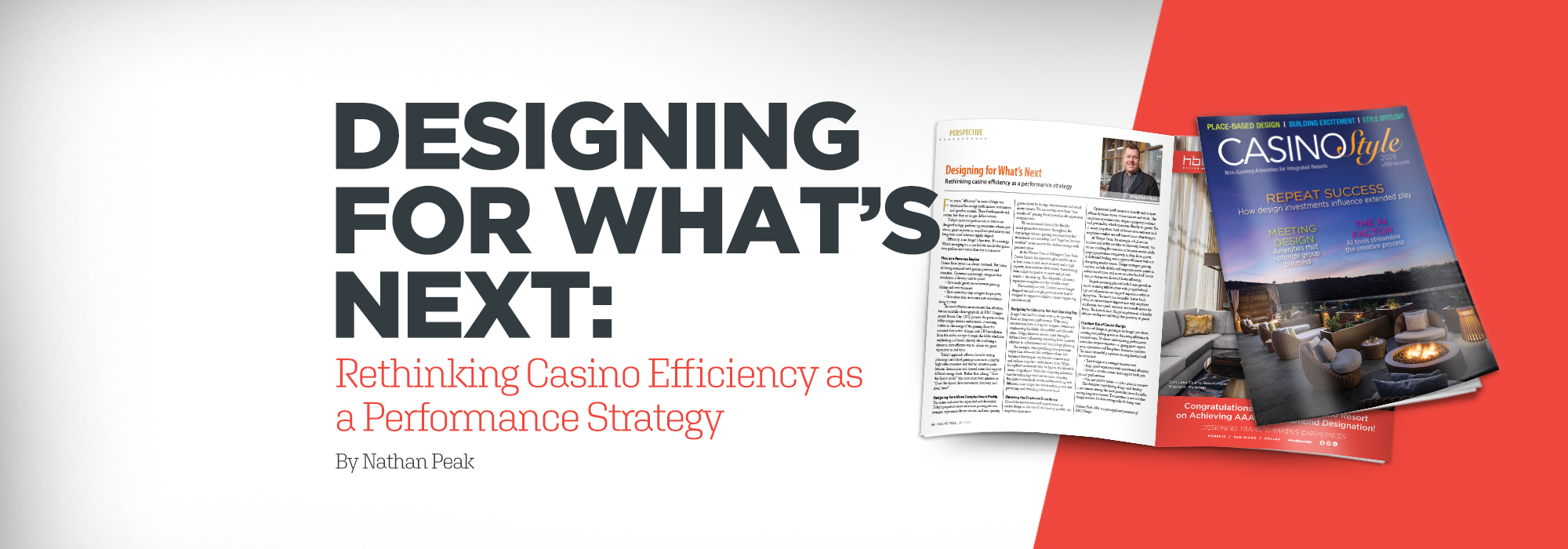
Nathan Peak on the Future of Performance-Driven Casino Design
At HBG Design, we believe successful casino resorts must do more than look beautiful. We must also plan them strategically to perform for decades to come.
Casino Style magazine invited HBG Design President Nathan Peak, AIA to share his expertise as a featured casino resort design specialist in its latest issue. His article, "Designing for What's Next: Rethinking Casino Efficiency as a Performance Strategy" examines the role of performance-driven design. It explores how this approach is shaping the future of gaming and hospitality environments.
Nathan explores how the definition of "efficiency" has fundamentally changed as the gaming and hospitality industry continues to evolve. Accordingly, leading casino resorts are measured by more than construction costs or energy performance. They are designed as high-performing ecosystems. Guest experience, operations, employee satisfaction, and long-term asset value must all work together to create lasting success.

Four Strategies Shaping the Future of Casino Design
In the article, Nathan highlights four key principles driving the next generation of gaming destinations:
- Flow as a Revenue Engine: Thoughtful planning and intuitive circulation do more than improve navigation—they encourage exploration, increase dwell time, and create more opportunities for guest engagement. Strategic layouts transform movement throughout the property into a competitive advantage.
- Designing for a More Complex Guest Profile: Today's casino resorts welcome a broader audience than ever before. From loyal gaming patrons to younger, experience-driven travelers and non-gaming visitors, successful destinations offer flexible environments that seamlessly support multiple guest journeys at once.
- Designing for Lifecycle Performance: Long-term value begins on day one. From durable materials and adaptable infrastructure to future-ready technology planning, every design decision should contribute to operational efficiency and sustained return on investment throughout the life of the property.
- Elevating the Employee Experience: Exceptional guest experiences start behind the scenes. Efficient back-of-house planning, intuitive operational workflows, and thoughtfully designed employee spaces improve productivity, strengthen workplace culture, and ultimately enhance service throughout the resort.
HBG Design in Practice
Nathan illustrates these concepts with recent HBG projects LIVE! Casino & Hotel Louisiana in Bossier City and Wawyé Oasis at Gun Lake Casino Resort, demonstrating how strategic planning creates environments that are as operationally effective as they are memorable for guests.
Looking Ahead
As Nathan writes, "The role of design in gaming is no longer just about creating compelling spaces or delivering efficiency in isolated ways. It's about orchestrating performance across the entire enterprise—aligning guest experience, operations and long-term business objectives."
That philosophy continues to guide every project HBG Design delivers for our gaming and hospitality clients.
Read the full article in Casino Style. Discover how thoughtful, performance-driven design is shaping the future of casino resorts.
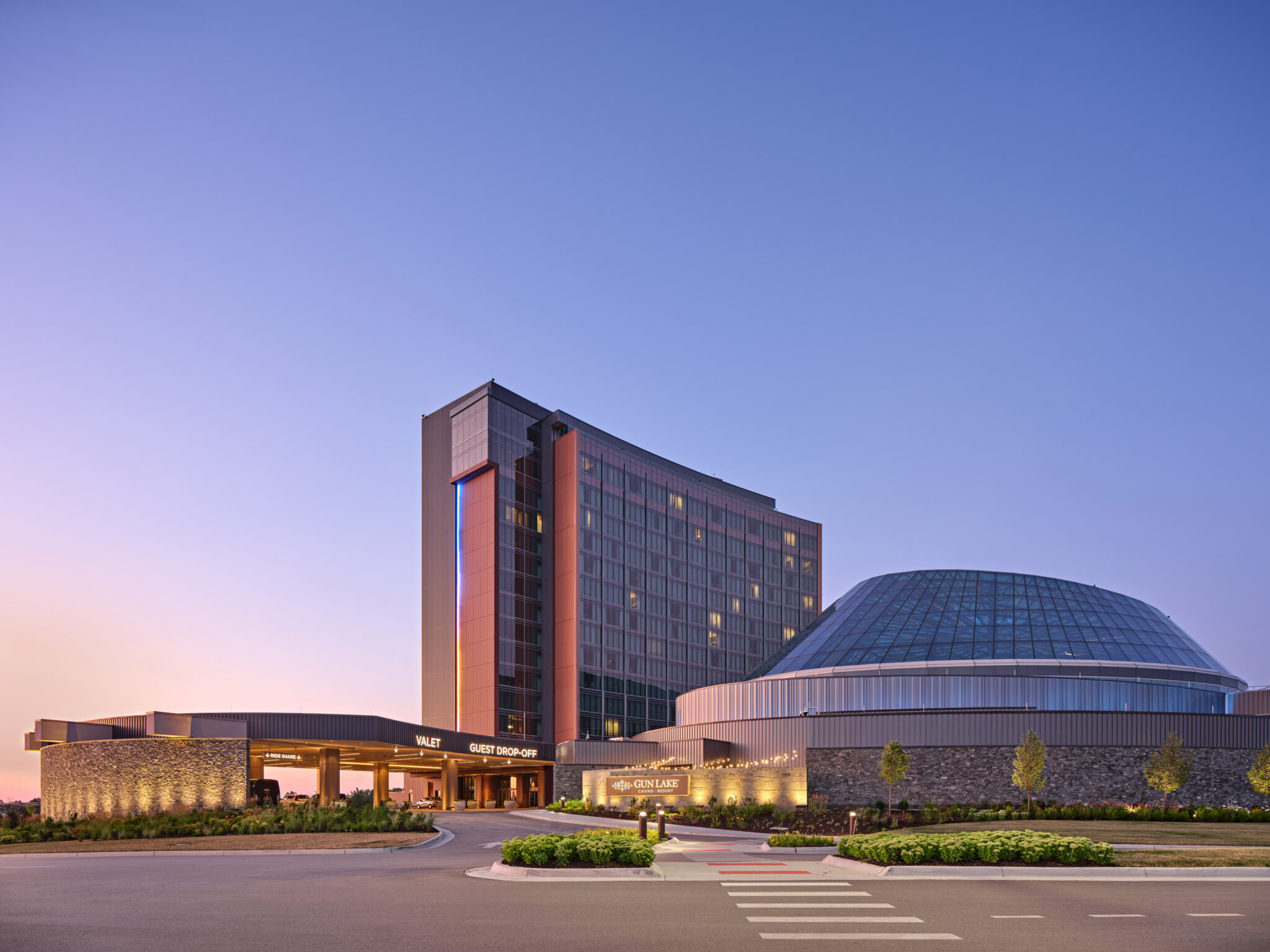
 The designation places Gun Lake Casino Resort among only four hotel properties in West Michigan to achieve AAA’s Four Diamond status. According to AAA Diamond Program Director Chris Andersen, the recognition reflects the resort’s “exceptional service, world-class hospitality, and elevated guest experience.”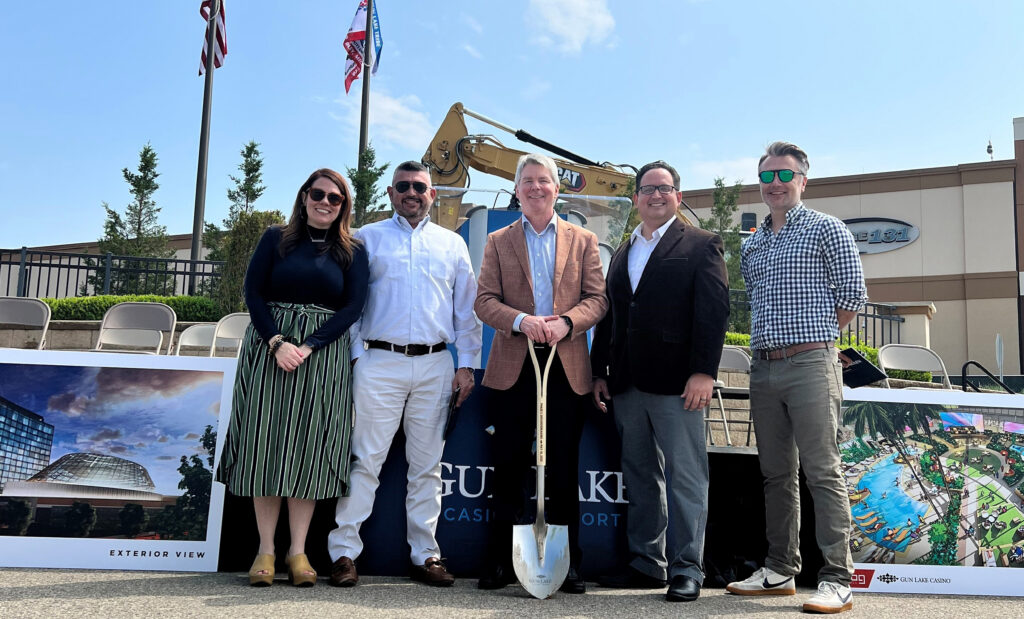



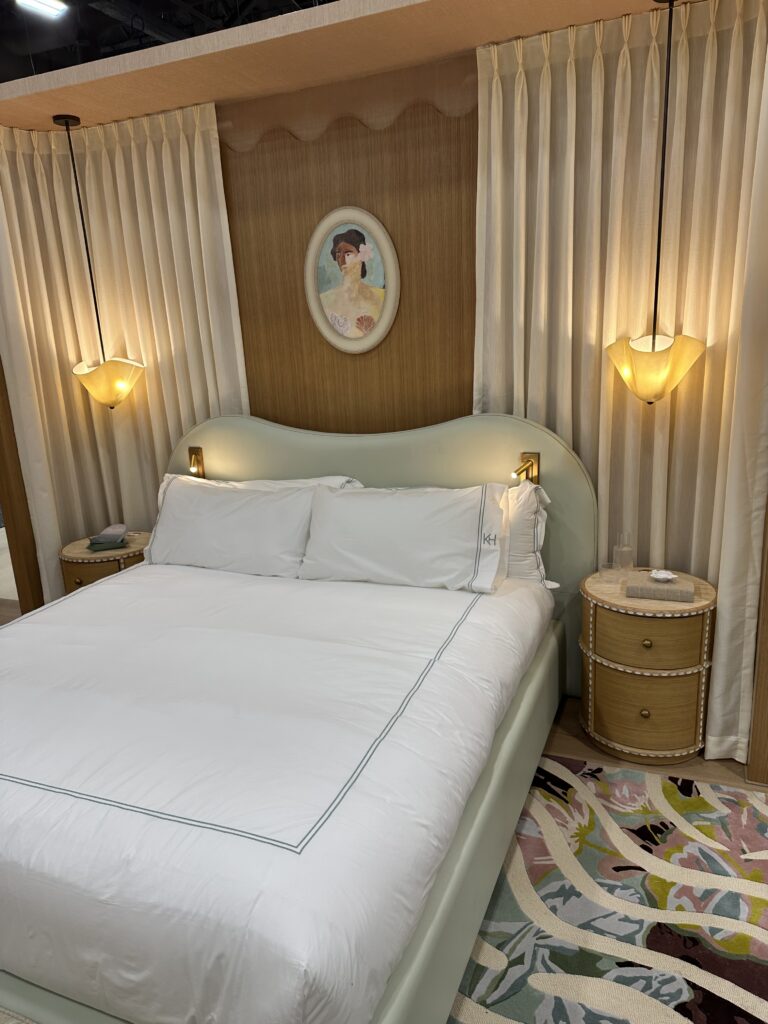

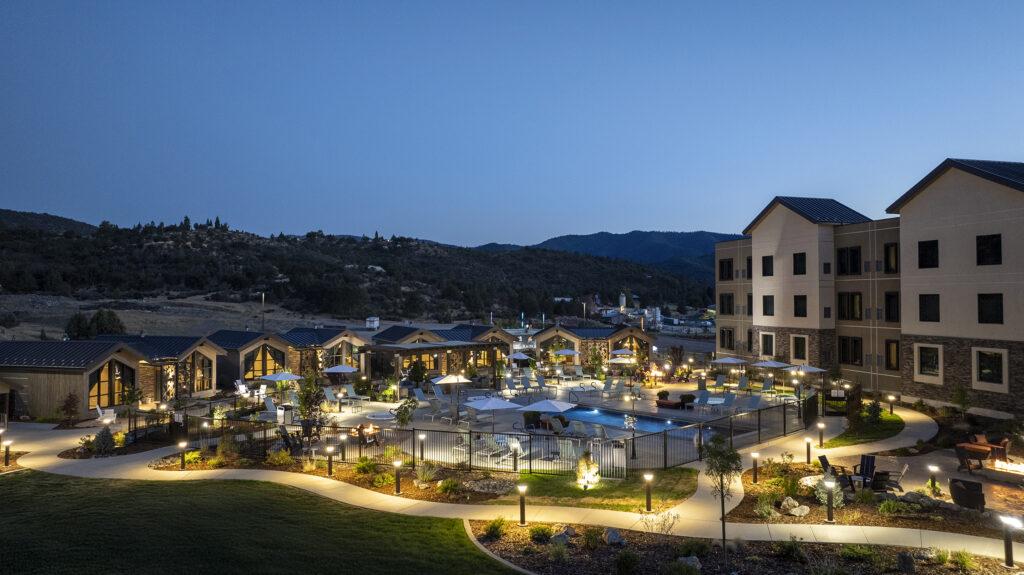
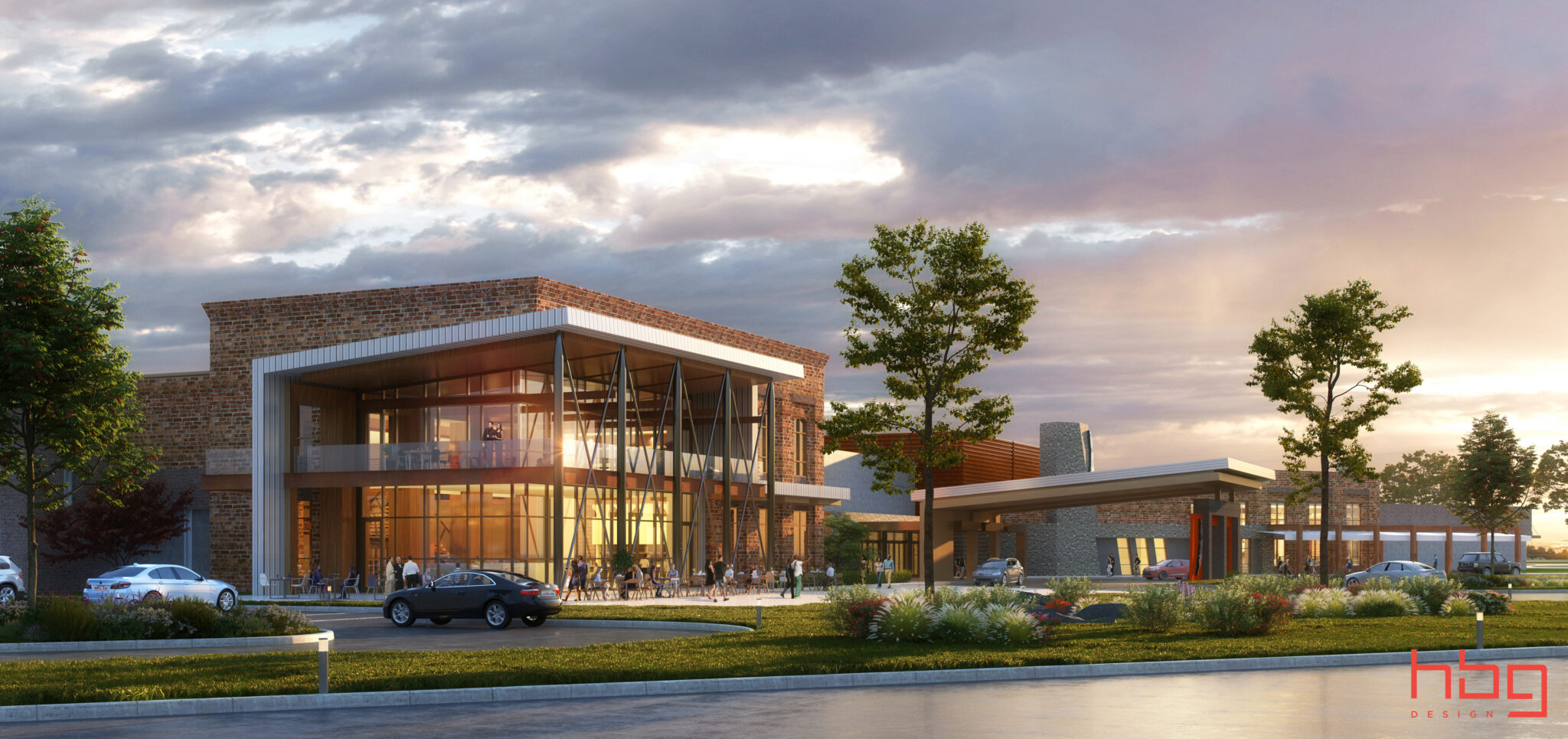
 Completed in 2025, the $40 million expansion introduces a series of enhancements designed to broaden the resort’s appeal while maintaining a clear design narrative.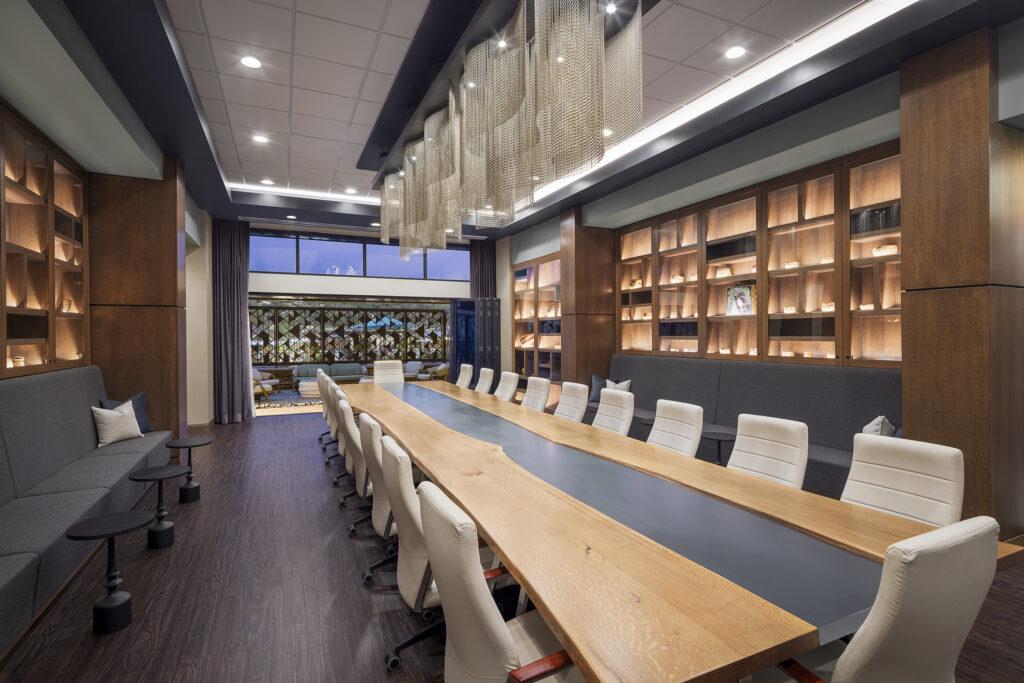
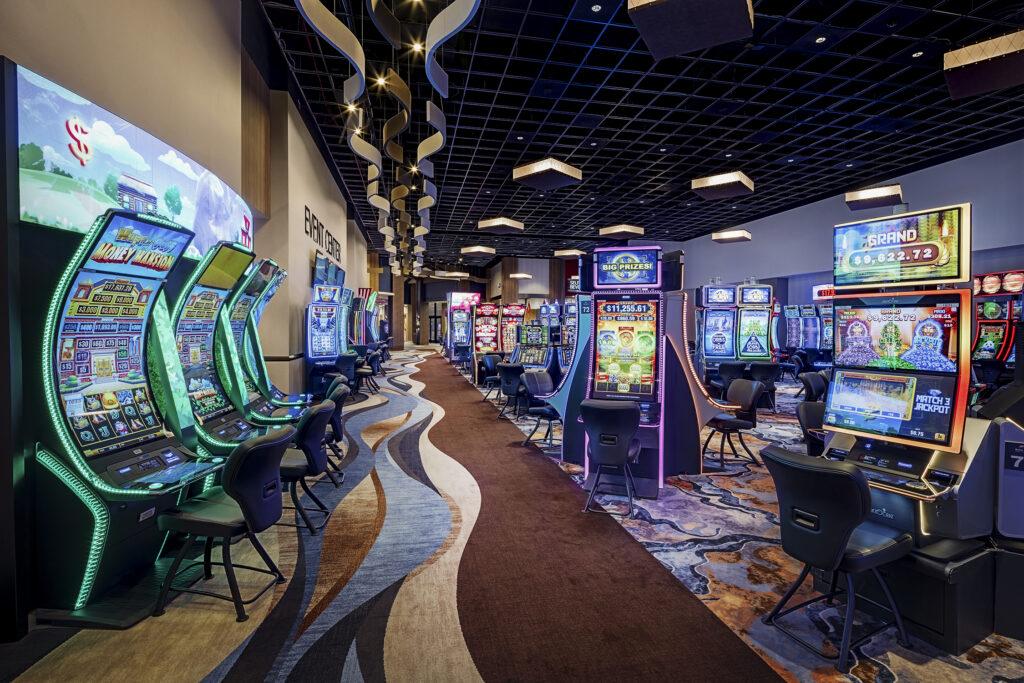 Key outcomes include:
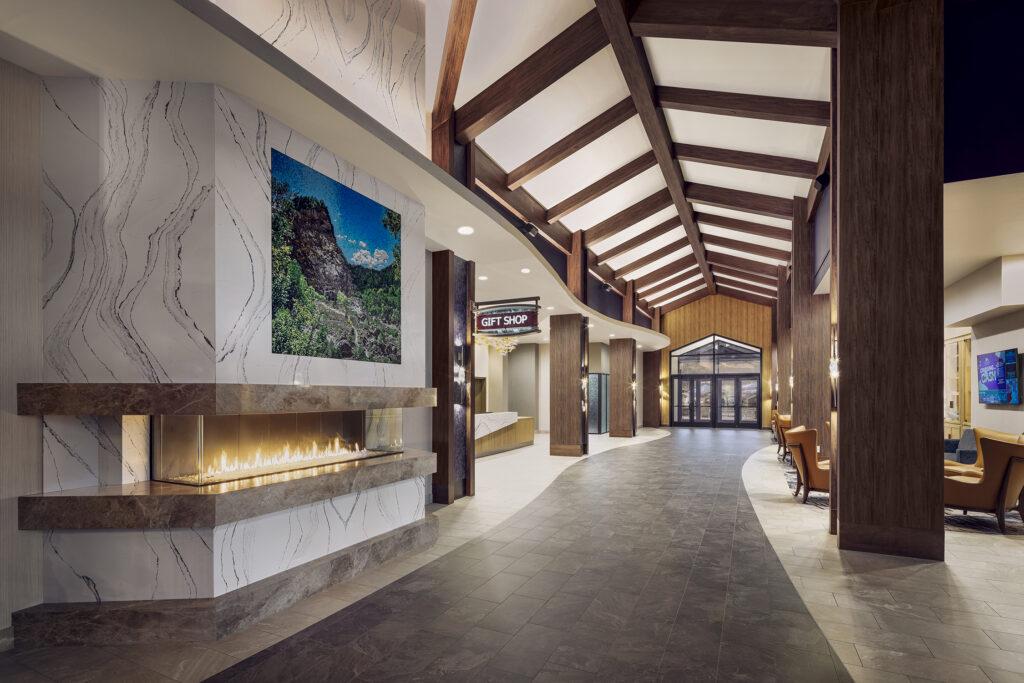 Rain Rock Casino Resort reflects a broader shift within the gaming industry—one that prioritizes meaningful, experience-driven environments over purely programmatic expansion.